Air Filtration Systems That Maintain Clean Environments
Modern laboratories depend on advanced air filtration systems to maintain a controlled and sterile environment. These systems use high efficiency filters that capture particles, microbes, and airborne contaminants before they can settle on surfaces or equipment. Many labs incorporate positive pressure rooms that push clean air outward, preventing unfiltered air from entering sensitive areas. Regular maintenance ensures that filters remain effective and that airflow remains consistent throughout the facility. Technicians monitor pressure levels and air quality indicators to verify that the system is functioning correctly. Without these filtration systems, labs would face a significantly higher risk of contamination that could compromise research and production.
Surface Sterilization Tools That Support Daily Operations
Surface sterilization tools are essential for keeping workspaces clean and safe for ongoing laboratory activities. Alcohol based sprays, disinfectant wipes, and specialized cleaning solutions are used to remove microbes from benches, equipment housings, and storage areas. Staff follow strict cleaning schedules that ensure high touch surfaces receive frequent attention throughout the day. Many labs also use ultraviolet light devices to provide an additional layer of surface sanitation. These tools help reduce microbial load and support the overall sterility of the environment. Consistent use of surface sterilization tools ensures that contamination risks remain low even during periods of heavy workflow.
Heat Based Sterilization Equipment That Ensures Safe Reuse
Heat based sterilization equipment plays a central role in preparing tools and materials for safe reuse in laboratory settings. These machines rely on high temperatures to destroy microorganisms that may remain on instruments after initial cleaning. Staff carefully load items into the equipment to ensure that heat can circulate evenly around each piece. The process requires precise timing and temperature control to guarantee that all contaminants are eliminated. After the cycle is complete, technicians allow the items to cool before handling them to maintain sterility. This category of equipment includes autoclaves, which are widely recognized for their reliability and effectiveness in maintaining sterile conditions.
Protective Barriers That Prevent Direct Contamination
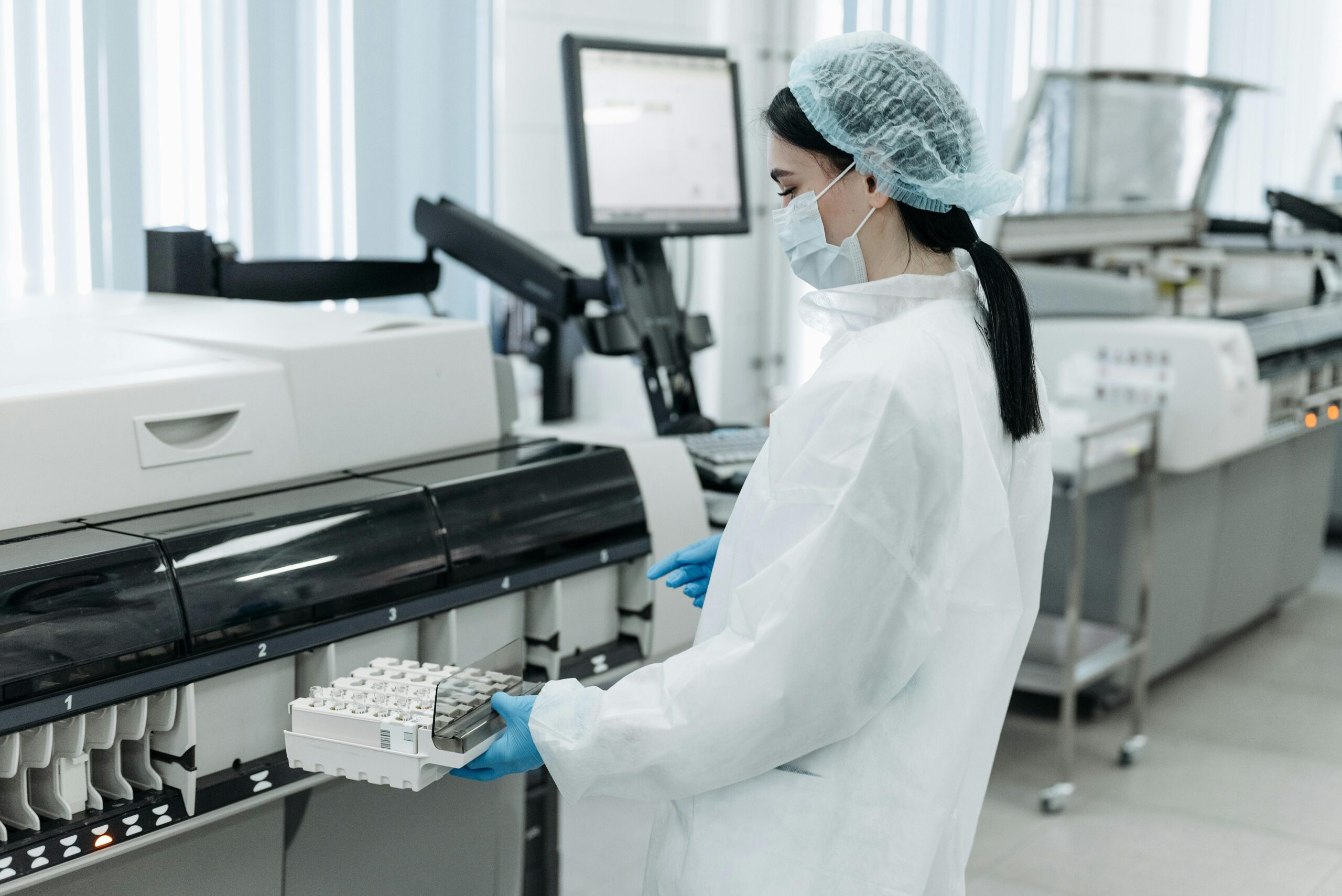
Protective barriers are essential for preventing direct contamination between personnel and laboratory materials. Gloves, masks, gowns, and face shields create a physical separation that reduces the risk of transferring microbes from skin or clothing to sensitive work areas. These barriers are designed for single use or limited reuse depending on the material and the specific laboratory protocol. Staff receive training on how to properly don and remove protective gear to avoid accidental contamination during handling. Many labs also provide specialized garments for work in high containment areas where sterility is especially critical. By using protective barriers consistently, laboratories maintain a safer and more controlled environment for both personnel and research materials.
Monitoring Devices That Verify Sterile Conditions
Monitoring devices are crucial for verifying that sterile conditions remain stable throughout laboratory operations. Temperature sensors, humidity gauges, and pressure monitors provide real time data that helps staff maintain environmental consistency. Microbial testing kits are also used to sample surfaces, air, and equipment to detect any signs of contamination. When readings fall outside acceptable ranges, corrective actions are taken immediately to restore proper conditions. These devices help identify potential issues before they escalate into larger problems that could compromise research integrity. Continuous monitoring ensures that sterility is maintained even as workloads and environmental factors fluctuate.
Conclusion
Modern laboratories rely on a wide range of equipment to maintain sterile conditions that support accurate research and safe production. Air filtration systems, surface sterilization tools, heat based sterilization equipment, protective barriers, and monitoring devices all work together to reduce contamination risks. By using these tools consistently and correctly, labs uphold the high standards required for sterile work environments.