



Taking care of dry skin involves more than just applying a random moisturiser. It requires understanding the root causes of skin dryness and implementing a well-rounded skincare routine tailored specifically for your skin’s needs. Many products for dry skin are formulated to offer deep hydration and nourishment while addressing these specific concerns.
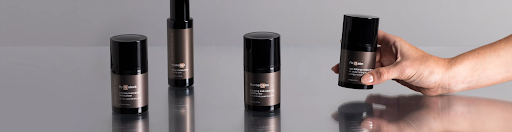
Understanding Dry Skin
There are numerous potential causes of dry skin, including weather conditions, hereditary factors, and personal habits. Knowing these factors is essential to treat dry skin.
Environmental Influences
Skin is greatly affected by the weather. The cold, wind-driven weather tends to dry out the skin, and indoor heating can make it worse. The effects can be reduced by protective measures (use of a humidifier in winter, a rich moisturiser).
Genetic Factors
Some individuals simply have drier skin due to their genetics. This kind of dryness is often seen from an early age and may be something that an individual has to contend with throughout their life. Skincare regimens that include deep moisturising treatment will help relieve and improve.
Lifestyle and Habits
Unhealthy eating habits, lack of drinking water, and exposure to detergents and chemicals will make skin dry. People with dry skin should have a decent balance of omega fatty acids in their diet, drink plenty of water and use mild skincare products.
Skincare Routine for Dry Skin
The results of using a full-fledged skin care routine can be quite dramatic in improving dry skin. Follow a regular routine for mild cleansing, exfoliating and moisturising. Gentle Cleansing
Gentle Cleansing
Make sure your cleanser isn’t loaded with harsh detergents or alcohols, which can strip the skin of even more of its natural oils. Instead, use moisturizing cleansers that allow you to maintain the skin’s barrier.
Effective Exfoliation
Exfoliation is the process by which unwanted dead skin cells that can make your skin look dull, dry and flaky are removed. But exfoliating should be done gently so as not to irritate the skin. Products with gentle acids rather than physical scrubs can help too.
Hydration and Moisturisation
The basis of any regimen for dry skin is adequate moisturizing. Apply a thick layer of rich, creamy moisturizer to help seal in hydration. Opt for products that contain hyaluronic acid and ceramides to help replenish and protect your skin’s barrier.
Specialised Treatments
After The Ordinary, specialised treatments can help a little extra. These might be serums containing peptides, face oils for dry skin, and sleep masks that deliver intense hydration while you rest.
Serums
Serums are deep treatments that introduce active components into the skin. Those with peptides can aid in the regeneration and repair of the skin, giving you textured and smoother-looking skin.
Face Oils
Coats of oils such as jojoba, almond, or rosehip can also be a great solution for dry skin. These oils not only complement traditional moisturizers but also provide additional fatty acids that are necessary for the health of the skin.
Overnight Masks
Overnight masks are a deep moisture treatment with your skin sipping throughout the night. They’re truly transformative for those with chronic dry skin.
Consistency is Key
To treat dry skin, it’s important to have a consistent skincare routine. Right now, she says, it’s about keeping your skin moisturized (using the right products consistently) so you don’t get irritated or dried out again.
Consulting a Dermatologist
If dry skin persists despite a solid skincare routine, consulting a dermatologist may be necessary. They can provide personalised advice and may recommend specific treatments or products.
In conclusion, managing dry skin involves understanding its underlying causes and employing a consistent skincare regimen that nourishes and protects. By utilising effective products for dry skin and adhering to a tailored routine, the skin’s health and appearance can be dramatically improved.