


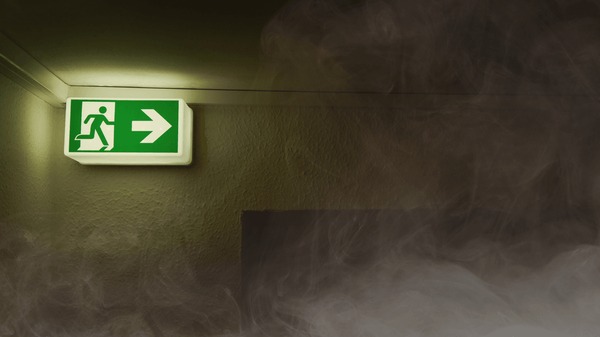
Emergency lighting systems improve workplace safety by keeping exit routes visible when normal power fails. They activate automatically during fires, outages, or emergencies, giving workers a clear path to safety.
Guardian Fire Protection Services helps businesses design and install emergency lighting that meets current safety codes. Reliable lighting during an emergency reduces panic, prevents injuries, and supports faster evacuations across all types of workplaces.
Without a proper system in place, a sudden power failure can turn a routine evacuation into a dangerous situation. Emergency lighting removes that risk by ensuring visibility is never fully lost.
How Emergency Lighting Directly Improves Workplace Safety
Emergency lighting serves one core purpose: keeping people safe when normal lighting fails. It eliminates the confusion and physical hazards that come with sudden darkness in a busy workplace.
Reducing Injuries During Evacuation
Slips, trips, and falls increase significantly when visibility drops without warning. Emergency lighting maintains a safe light level along exit paths so workers can move quickly without stumbling.
Stairwells, corridors, and doorways are the most common injury points during evacuations. Lighting these areas consistently reduces that risk during any unplanned event.
Supporting Emergency Responders
Firefighters and paramedics need clear, visible routes when entering a building under emergency conditions. A working emergency lighting system helps responders navigate faster and locate people who need assistance.
Visible exit signage also helps responders identify key areas of the building without relying on floor plans alone. Every second saved during a response can make a real difference to outcomes.
What a Complete Emergency Lighting System Covers
A well-designed system does more than install a few backup lights. It covers every area where people could become disoriented or trapped without visibility.
Key components typically include:
- Exit signs that stay lit during a power failure.
- Escape route lighting along corridors, stairwells, and hallways.
- Open area lighting to prevent panic in large spaces.
- High-risk zone lighting near machinery or hazardous materials.
Each component targets a specific safety gap within the building.
Maintained vs Non-Maintained Emergency Lighting
Not every workplace needs the same type of system. Understanding the two main options helps businesses make the right choice for their environment.
Maintained systems stay on at all times and are best suited for public-facing spaces like retail stores or reception areas. Non-maintained systems activate only when power fails, making them a practical choice for offices and storage areas.
Maintained systems offer constant visibility but use more energy. Non-maintained systems are more energy-efficient but rely entirely on battery backup during an emergency.
Steps to Keep Emergency Lighting Effective
Installing the system is only the first step. Ongoing maintenance is what keeps it reliable when it is actually needed.
- Audit your lighting layout against current evacuation floor plans.
- Test all units monthly using the manual test function.
- Inspect battery backups and replace any that fail to hold a charge.
- Check that exit signs are visible from all required distances.
- Document every test and inspection for compliance records.
Most workplace safety regulations require proof that emergency lighting has been tested and maintained regularly.
Key Takeaways
- Emergency lighting activates automatically when normal power fails.
- It keeps evacuation routes visible and reduces injury risk during emergencies.
- Systems cover exit signs, corridors, stairwells, and high-risk zones.
- Maintained systems stay on constantly, while non-maintained systems activate only on power failure.
- Monthly testing and documented inspections are required for compliance.
- Proper maintenance ensures the system works reliably when it matters most.