Kitchen remodel pricing depends on scope, size, and material choices, but most homeowners today spend between $15,000 and $50,000, with higher-end projects exceeding that range.
The answer to how much it costs to remodel a kitchen is not fixed because costs vary by layout changes, labor needs, and finish level. More minor updates stay closer to the low end, while complete renovations with new cabinets and systems land at the higher end.
This article breaks down the numbers, explains what drives price changes, and shows how to plan a realistic budget before you start.
Average Cost to Remodel a Kitchen
National surveys and contractor data show that the average kitchen remodel cost in the US is between $25,000 and $35,000. This range reflects the typical cost of a kitchen remodel that replaces cabinets, countertops, appliances and finishes with no major structural work. For a lot of homeowners, this is more of a target for a starting point budget. Prices change depending on region, house size, and the quality of materials.
The average cost of a kitchen remodel will also vary depending on whether you keep your current layout or change it. Keeping plumbing and gas lines in place also decreases labor, which lowers the overall cost. When walls are moved or layouts are altered, renovation costs soar. Having this baseline in mind helps you put all other pricing discussions feet in the following sections.
Kitchen Remodel Cost by Size and Layout
The kitchen size affects the price directly since the material and labor are calculated by the square footage. Contractors will calculate the cost of a kitchen renovation based on how many square feet it is, and you can expect to pay anywhere between $150 to $300. Larger kitchens reside closer to the top end because they need more cabinets, counters and hours of work. Smaller kitchens benefit from lower material volume but are still burdened with fixed costs.
A 10×10 kitchen is still a good yardstick for estimates. Many mid-range remodels this size clock in between $20,000 and $30,000, depending on finishes. Prices for a 12×12 kitchen remodel are often significantly higher due to the additional cabinetry and counter space. These are good comparisons for working out how size impacts a kitchen’s cost for homeowners.
Small kitchen remodelling costs can remain low if you keep the appliances and don’t change the layout. Taking out the appliances from the scope means deducting the costs of electrical and gas lines. This strategy is great for budget-friendly updates that concentrate on surfaces and storage, rather than full redesigns.
What Drives Kitchen Renovation Costs
Labor constitutes a significant portion of kitchen remodelling costs, usually 30 to 40% of the overall job. Demolition, carpentry, electrical, plumbing, and installation are the work of the professional trades. Workload escalates for projects with strict schedules or complex site plans. That’s why the prices can be so different for kitchens that look like they should cost the same amount of money.
Cabinetry can also be the single largest item purchased. Stock kitchen cabinets are the cheapest option, but they come with limitations in size and finishes. Custom cabinetry and custom cabinets increase pricing but can be configured for better use of space and have a longer life span. Countertops, floor, and fixtures add extra costs, which depend on the materials used.
Design choices have an impact on the cost as well. Detailed kitchen layout plans minimise errors and rework but add initial expense. Homeowners who take the time to plan are often the ones who save money by not making changes in the middle of a job.In Szymanik’s words, “Understanding the push and pull factors explains why two kitchens that may seem similar can have very different price tags.”.
Kitchen Remodel Cost by Project Scope
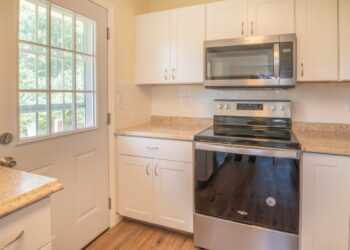
Small kitchen renovations concentrate on finishes instead of structure. These jobs can consist of repainting, adding new hardware and replacing standard countertops. Many residents fork over $10,000 to $18,000 for that kind of job. This application is ideal with the cabinet and layout staying the same, and the systems remain undisturbed.
Common upgrades at this level include:
- Cabinet painting or refacing
- New sink, faucet, and lighting
- Budget-friendly countertop materials
Mid-range kitchen renovation projects replace cabinets, counters, and appliances without changing walls. These remodels usually fall between $25,000 and $45,000. They improve function and appearance while keeping the remodeling budget under control. This option suits most owner-occupied homes planning to stay for several years.
Typical mid-range changes include:
- New stock or semi-custom kitchen cabinets
- Updated appliances and flooring
- Minor electrical and plumbing updates
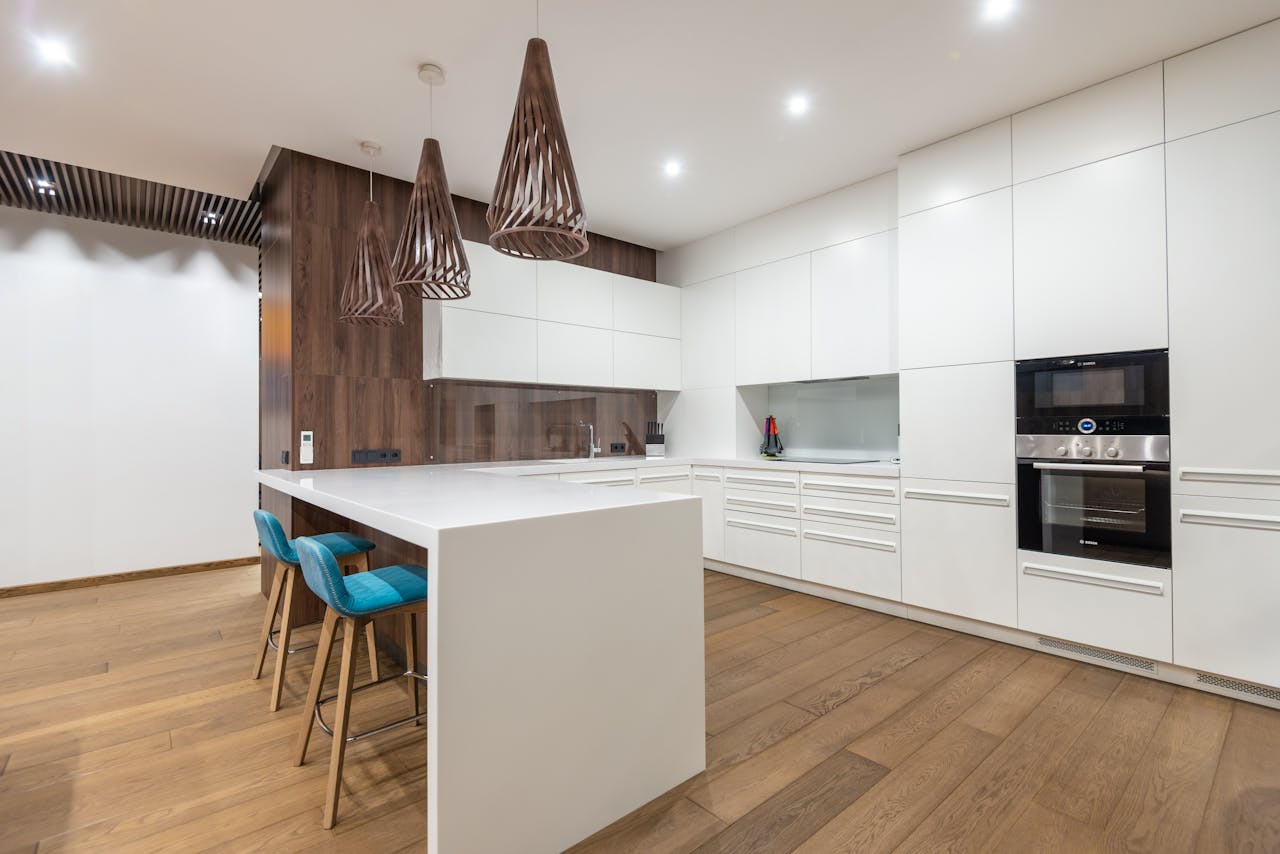
Full kitchen remodels include layout adjustments, new systems, and high-end finishes. Prices are typically in the $50,000 range, sometimes more when a higher grade of cabinetry and materials is used. These renovations take more planning, and they take longer. They provide the strongest return on investment for homeowners who are value-driven over the long term.
Full remodels often include:
- Wall removal or layout changes
- Custom cabinets and stone countertops
- New electrical, plumbing, and gas lines
Is $10,000 Enough for a Kitchen Remodel
A $10,000 budget is really only good for minor updates. Homeowners can paint or refinish cabinets, put in laminate counters and update lighting. There is no level for full cabinet replacement or for changing the layout. Having this knowledge leads to having realistic expectations about what can be achieved.
For those who are asking how much to remodel a kitchen on a budget, focus matters more than scope. Don’t move the appliances, plumbing or drains, or the layout. Simple, hardy materials can take you a long way. That perspective allows for modest improvements without pain.
Smart Budget Planning for a Kitchen Remodel
30 percent rule A lot of professionals reference the 30 percent rule, which implies you shouldn’t spend over 30 per cent of the home’s price on remodelling. In kitchens, this rule serves as a guideline, not a hard ceiling. High-end homes can sustain higher expenditures and not hurt resale . Tight controls are necessary in a lower-value home.
An effective kitchen renovation budget also takes into account hidden expenses. Such as permits, disposal fees and repairs found when tearing down. Planning for a 10 to 15 percent contingency helps you prepare for run-ins. This step contributes to better financial control from beginning to end.
Homeowners planning kitchen renovations in Bergen County NJ (or any other area in the US) often face higher labor rates than the national average. Local permitting and inspection requirements also affect schedules and pricing. Factoring regional conditions into planning improves accuracy. Regional awareness reduces surprises during construction.
Real-World Kitchen Remodel Cost Examples
A typical mid-range project might include stock cabinets, quartz counters, new flooring, and standard appliances. Line items often break down as follows:
- Cabinets and installation: $9,000
- Countertops: $4,500
- Flooring: $3,500
- Labor and permits: $8,000
This puts the total cost near $25,000, which aligns with average kitchen remodeling costs.
A higher-end example includes custom cabinets, premium stone, and layout changes. Cabinetry alone can exceed $20,000, and labor costs rise with added complexity. These projects push totals beyond $60,000 but offer strong long-term value. Careful planning ensures spending aligns with goals and return on investment.
How to Plan Your Kitchen Remodel Budget
Start by defining priorities before selecting materials. Decide which matters most: storage, layout, or appearance. This clarity guides spending and prevents scope creep. Clear goals make budgeting easier.
Track every category that affects kitchen costs. Include design fees, labor, materials, and contingencies. Comparing estimates line by line improves transparency. A detailed plan helps homeowners save money while achieving functional results.
Finally, choose contractors who explain pricing clearly and document changes. Written scopes reduce disputes and protect both parties. With careful planning, homeowners can manage kitchen remodel costs without sacrificing quality.