

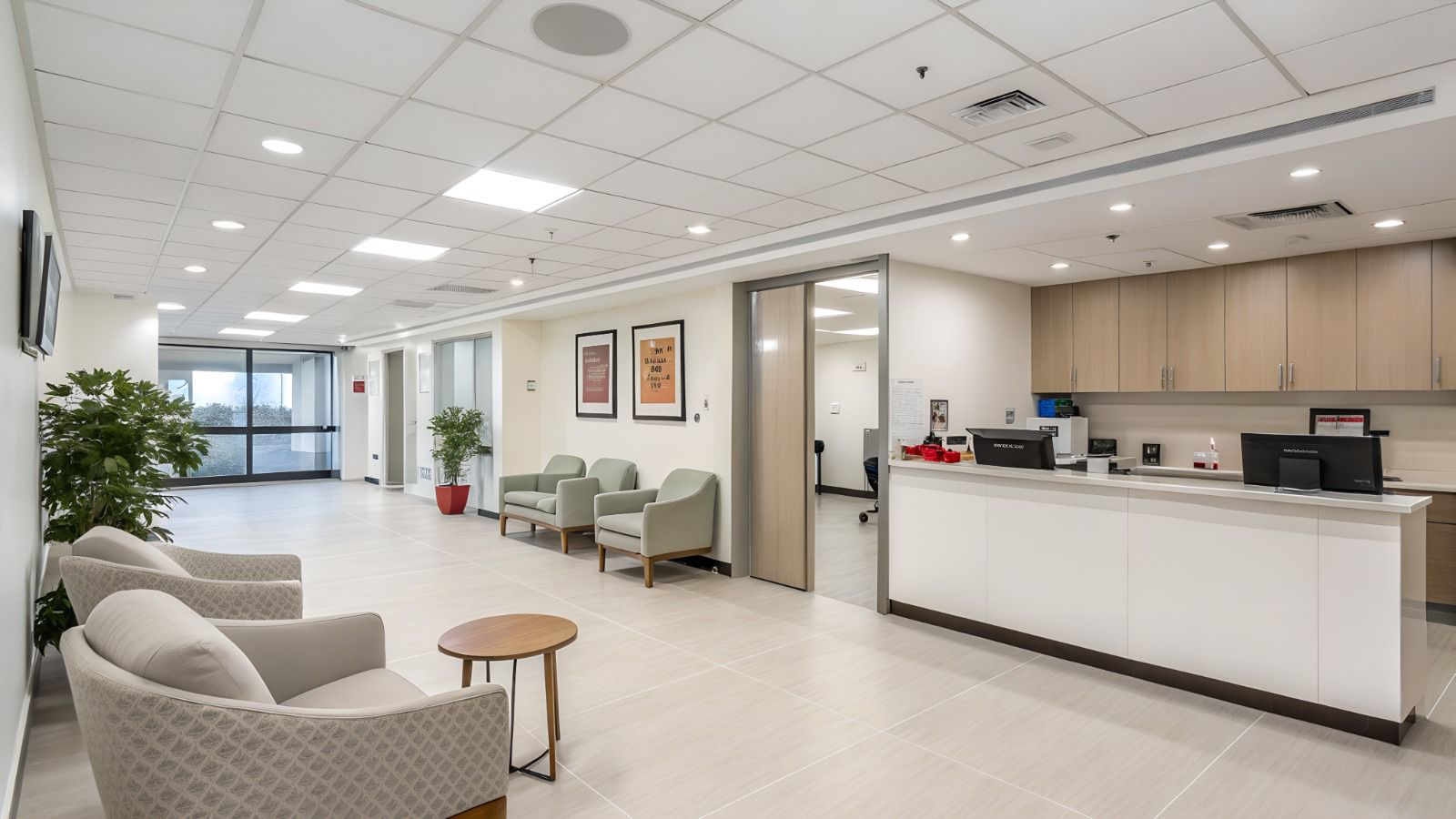
For most people, the first thing they notice when they enter a medical office isn’t the doctor, the receptionist, or even the wait time. It’s the cleanliness of the place.
Is it bright and fresh or stale and past its sell-by date? Are the floors clean? Do the chairs appear to have been used? Does the room smell like it’s been cleaned, or just… used?
All of this registers within seconds, even before anyone says a word.
That’s why medical office cleaning plays such a huge role in how patients experience a clinic. Clean spaces instantly create a sense of trust. They make people feel safer, calmer, and more confident about the care they’re about to receive. On the other hand, even small signs of poor cleanliness can plant doubt, and once that doubt is there, it’s hard to shake.
In healthcare, where people are already vulnerable or anxious, the environment matters more than we think. Cleanliness isn’t just part of the background. It’s part of the service itself.
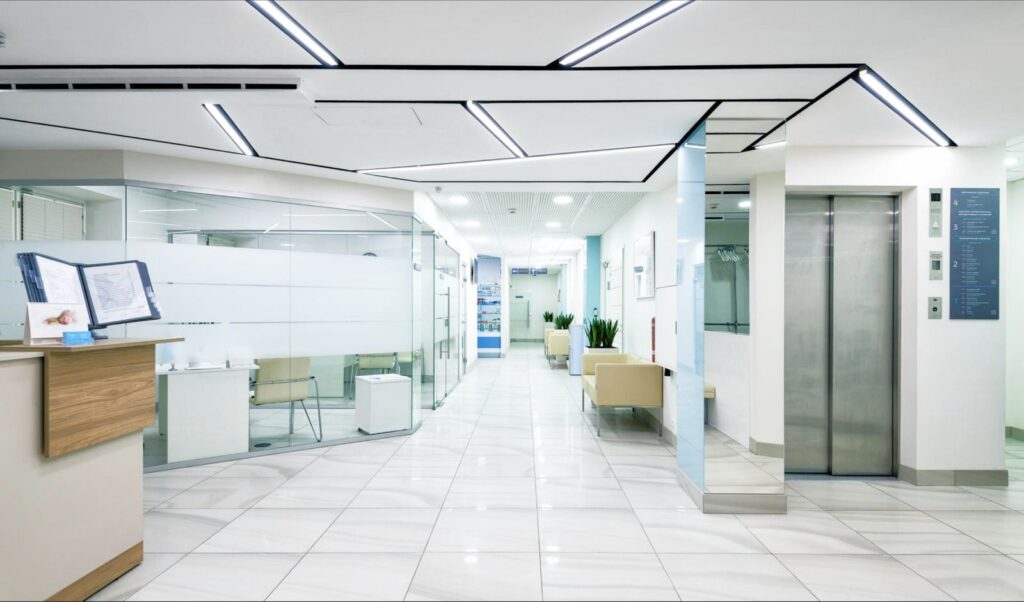
Medical Offices Aren’t Like Regular Workplaces
A normal office deals with coffee spills and fingerprints. A medical office deals with sick people, bodily fluids, constant foot traffic, and shared equipment.
That alone changes everything.
Doctors and nurses move fast. Patients come in and out all day. Surfaces get touched nonstop such as chairs, doors, counters, exam tables, clipboards, and phones. Germs don’t need much time to spread in an environment like that.
And that’s why cleaning a medical office can’t be done the same way as regular commercial office cleaning. It needs to be more careful, more detailed, and by people who really know what they are doing.
What Happens When Cleaning Is Ignored?
Most clinics don’t think about cleaning until there’s a problem. And by then, it’s usually obvious. Maybe patients start complaining. Maybe the staff get sick more often. Maybe an inspection doesn’t go so well. Poor cleaning can lead to things like:
- Infections are spreading between patients
- Bad online reviews (which are hard to recover from)
- Fines or warnings from health authorities
- A general feeling of “this place isn’t trustworthy”
And in healthcare, trust is everything. If people don’t feel comfortable in your space, they won’t feel confident in your care either.
The Areas That Actually Matter Most
Not every part of a clinic carries the same risk. Some areas need way more attention than others.
Waiting Rooms
This is ground zero. Everyone sits here, touches everything, coughs, sneezes, and scrolls their phones.
Exam Rooms
Probably the most critical space. Exam tables, chairs, equipment, and sinks all need proper disinfection between patients.
Restrooms
Self-explanatory. These need frequent cleaning, not just once at the end of the day.
High-Touch Spots
Door handles, light switches, reception desks, payment terminals, elevator buttons. These are the places where real cleaning makes a real difference.
Why “Just Hiring a Cleaner” Isn’t Enough
This is where a lot of clinics go wrong. They hire a general cleaning company, someone who’s great at offices or retail spaces. And expect the same results in a medical environment.
But medical office cleaning requires:
- Healthcare-grade disinfectants
- Proper handling of waste
- Systems to avoid cross-contamination
- Staff trained in infection control
It’s not about wiping things down. It’s about cleaning in a way that actually reduces risk.
A Cleaning Partner That Gets Healthcare
If you’re looking for a team that actually understands medical spaces, Supreme Cleaning Group is a solid choice.
They work with medical offices, clinics, and healthcare facilities and focus on what really matters. Not just surface-level cleaning, but the kind that keeps patients and staff safer every day.
What’s nice is that they don’t treat medical offices like “just another contract.” They tailor their cleaning plans around how healthcare spaces actually function, which makes a huge difference in the long run.
How Often Should a Medical Office Be Cleaned?
This depends on how busy the clinic is, but realistically:
- High-traffic clinics need daily cleaning at minimum
- Exam rooms should be disinfected constantly
- Waiting areas and restrooms need frequent attention
- Deep cleaning should happen weekly or monthly
The busier the practice, the more aggressive the cleaning schedule should be. Simple as that.
Cleanliness Is Part of the Patient Experience Now
Since COVID, people pay way more attention to hygiene than they used to. Patients notice sanitizer stations. They notice how clean the floors are. They notice smells, clutter, and mess.
Medical office cleaning is no longer “behind the scenes.” It’s part of how patients judge your clinic, even if they don’t consciously realize it.
A clean space feels professional. A clean space feels safe. A clean space builds confidence.
Final Thoughts
Medical office cleaning is one of those things that rarely gets credit, yet plays a role in almost everything. It affects how patients feel when they walk in. It affects how safe the staff is at work. It even affects how professional and trustworthy a clinic appears from the outside.
Most people will never stop a doctor to say, “Well, this place is really clean!” but they certainly notice when it’s not. And you can’t really turn a blind eye to that feeling once it takes hold. Whether we like it or not, clean equals perception.
You’re not just treating conditions in health care; you’re building trust. And trust begins with the environment you establish. A polished medical office conveys a clear, but potent message: we are concerned about your health, right down to the very dust particles.
That’s why the expense of proper cleaning isn’t simply a cost of doing business. It’s a part of caring for the patient.” Quiet, invisible, but essential.
FAQs
- How often should a medical office be cleaned?
Daily is best. Busy spots like waiting rooms, exam rooms, and restrooms need extra attention.
- Why does professional cleaning matter?
It’s more than looks; it keeps everyone safe and helps patients feel comfortable.
- Can any cleaning company do it?
Medical spaces need trained staff and the right products. That’s where the Supreme Cleaning Group shines.
- How do I know if I am following the right cleaning method?
If the office looks, smells, and feels clean, and the staff and visitors are comfortable, it’s usually done right.