


Table of Contents
- Integrated Physical and Mental Health Programs
- Technology Enhancing Cognitive Well-Being
- Innovative Therapies in Senior Living
- Nutrition and Sustainable Eating Habits
- Telehealth and Remote Monitoring
- Purpose-Driven Living and Lifelong Learning
- Sustainable and Eco-Friendly Living Environments
- Final Thoughts
Today’s seniors benefit from a wide range of innovative strategies that prioritize their holistic well-being. As the global senior population steadily increases, new approaches to care focus on integrating physical, mental, and social wellness. Many communities, such as Plainview assisted living, are adopting these modern wellness techniques to ensure older adults can embrace a higher quality of life, marked by vitality and fulfillment.
Holistic wellness is now viewed as a combination of movement, engagement, emotional health, and environmental sustainability. Cutting-edge initiatives not only target disease prevention but also emphasize the importance of purpose, companionship, mental stimulation, and environmental stewardship among seniors. By prioritizing health across daily routines, communities help older adults maintain independence and a sense of meaning.
Integrated Physical and Mental Health Programs
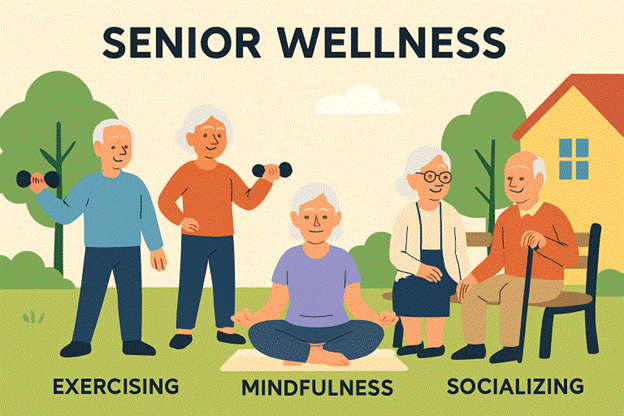
Senior wellness is grounded in the recognition that physical and mental health are interconnected. Many modern care models now deploy integrated programs that simultaneously encourage movement, brain training, and emotional support. For example, organizations such as Modern Health have developed Physical Well-Being Pathways that pair customized fitness routines with group counseling or mindfulness training sessions. This method fosters a comprehensive approach in which improved mobility aligns with reduced anxiety and better mood, increasing the likelihood of positive health outcomes in both domains.
Such approaches respond to the growing scientific consensus that socialization and emotional well-being are strong predictors of longevity and quality of life in older adults, a finding supported by researchers at Harvard Medical School.
Technology Enhancing Cognitive Well-Being
The digital age brings new opportunities for cognitive enrichment among seniors. Artificial intelligence-powered companions, like ChatWise, offer meaningful conversations tailored to an individual’s history and interests, providing engagement that combats loneliness and helps stimulate the mind. These digital services are accessible, customizable, and convenient for seniors at home or in residential communities. Cognitive wellness apps can also recommend daily exercises to reinforce memory, attention span, and verbal skills.
Virtual reality (VR) is finding a place in therapeutic routines in some communities as well. Seniors participate in immersive experiences such as virtual museum tours or interactive memory games, leveraging technology to maintain sharp mental faculties and boost emotional well-being.
Innovative Therapies in Senior Living
Senior living environments are incorporating unique therapies that transcend traditional exercise programs. Pet therapy, for example, introduces residents to affectionate, trained animals in scheduled visits or even as permanent companions. Interacting with animals has been proven to reduce stress, increase serotonin levels, and foster a sense of connection and purpose. Other communities are deploying adaptive fitness programs, such as chair yoga, tai chi, and aqua aerobics, which offer gentle movement suitable for a variety of physical abilities.
Music and art therapies have become a staple, with workshops designed to unleash creativity in a supportive social setting. These approaches not only brighten daily routines but also invigorate memory retention and dexterity. According to the American Art Therapy Association, such activities can dramatically lift mood and improve cognitive resilience.
Nutrition and Sustainable Eating Habits
Modern senior dining programs prioritize sustainability and enjoyment, moving away from restrictive diets toward personalized, fresh, and seasonal menus. Restaurant-style service encourages sociability and restores pleasure to mealtime, while also meeting specific dietary requirements and nutritional goals. Many communities employ dietitians to design plans that balance flavor, health, and sustainability, reducing waste and sourcing local produce when possible.
Telehealth and Remote Monitoring
Telehealth integrates a crucial level of access and convenience, allowing seniors to consult medical professionals via video calls, secure messaging, and virtual checkups. Wearable health monitors, such as heart rate or glucose trackers, feed real-time data to clinicians, making it easier to spot potential concerns before they become emergencies. This ongoing monitoring enables rapid interventions and supports maximum independence for seniors who prefer to remain at home. Telehealth has become especially relevant since the pandemic, with many seniors reporting increased satisfaction and engagement with their care.
Purpose-Driven Living and Lifelong Learning
Lifelong learning remains a central pillar in senior wellness. Modern programs feature classes in art, literature, technology, and current events, as well as opportunities to volunteer or mentor, all designed to foster a sense of purpose and accomplishment. Engaging in creative outlets or civic activities nurtures friendships, builds confidence, and helps maintain memory. Many communities now partner with local colleges and libraries to expand the scope and appeal of their lifelong learning opportunities. Research from the Global Council on Brain Health supports these strategies, finding that continuous learning activities significantly lower the risks of cognitive decline.
Sustainable and Eco-Friendly Living Environments
Eco-conscious design is rapidly becoming a benchmark in senior living communities. Facilities are integrating renewable energy solutions, such as solar panels, and using energy-efficient appliances, while converting green spaces into gardens for relaxation and recreation. These steps cumulatively decrease environmental footprints and offer seniors a daily connection to nature. Sustainable landscaping also provides therapeutic effects and serves as an investment in future generations.
Final Thoughts
Senior wellness is evolving with a clear focus on integration, engagement, sustainability, and independence. Innovative programs and contemporary technologies are enabling older adults to lead fulfilling lives rich in meaning, social connection, and personal growth. With wellness at the heart of care, seniors now have more tools and options than ever to thrive.