



Sensitive skin can be challenging to manage due to its propensity to react adversely to a multitude of environmental and topical agents. However, an informed selection of skincare for sensitive skin can significantly mitigate potential irritations. Individuals with sensitive skin must adopt a regimen that emphasises gentle care and active protection.
Understanding Sensitive Skin
Sensitive skin is not a medical condition, but it has been defined as the enhanced reactivity of the skin to various influences. These may be the weather, pollutants or even some cosmetics. Symptoms can present as redness, itching, and dryness, which in turn can give rise to more aggravated skin ailments.
Essential Components of a Sensitive Skincare Routine
Hydration and protection is the foundation of a good, respectful approach for sensitive skin. The backbone of such a routine is a carefully selected cleanser, moisturiser and sunblock. Apply a line of products that meets the needs of your skin, especially if you have sensitive skin.
Gentle Cleansing
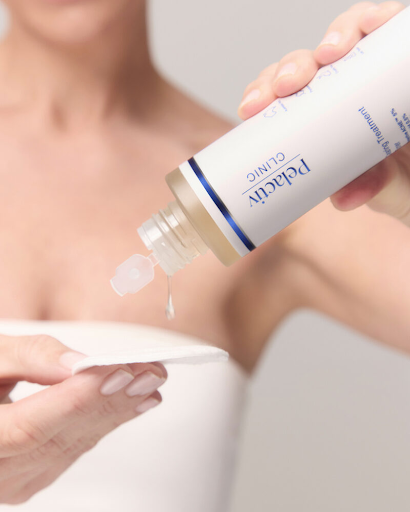
A mild non-foaming cleanser should be used that can clean without washing away the natural oil of the skin. This helps to protect the skin’s moisture barrier, which is essential to keep irritants out.
Moisturisation
Hypoallergenic and fragrance-free moisturisers are the best for hydrating the skin. You may want to opt for products with calming agents such as aloe vera or chamomile that can help soothe your skin.
Sun Protection
The sunblock or sunscreen should be part of a daily skin-care regimen, even on overcast days. Mineral sunscreens (containing zinc oxide or titanium dioxide) are believed to be better for sensitive skin as they tend to cause fewer irritations.
Choosing the Right Products
It is better to do the patch tests before using any new products so as to check if it is suitable for your sensitive skin. Checking the labels is important; steer clear of alcohol, and other known skin irritants such as artificial fragrances and preservatives. Choose products with non-comedogenic, fragrance-free, and hypoallergenic claims on the labels.
Diet and Lifestyle Considerations
In addition to topical medications, skin health is strongly influenced by diet and lifestyle. Eating a well-balanced diet with antioxidants and omega-3s can help build skin resilience.Furthermore, drinking lots of water and getting a good night’s sleep can also do wonders for skin care.
Common Triggers for Sensitive Skin
Pollution and climatic alterations are also factors that may increase skin sensitivity. Some hormonal changes and stress-related factors may also trigger exacerbations. Relaxation and a healthy lifestyle to reduce stress may help in this regard.
The Role of Dermatologists
It’s a good idea to consult a dermatologist for personalised advice on how to care for your sensitive skin. Expert knowledge can help to pinpoint particular triggers and recommend specific treatments or products.
Modern Trends in Sensitive Skincare
Recently, a number of products containing natural and organic ingredients suitable for sensitive skin have been increasing. The clean beauty ethos, which supports greater transparency in ingredients and is environmentally sustainable, feels particularly compatible with the needs of people with sensitive skin.
Conclusion
Individuals with sensitive skin face unique challenges that necessitate a dedicated regimen of care and protection. By understanding specific skincare needs and integrating gentle, effective products such as those for skincare for sensitive skin, it is possible to maintain healthy and resilient skin. Adopting a holistic approach, which includes proper skincare, lifestyle adaptations, and professional consultations when needed, underscores the path to effectively managing sensitive skin.