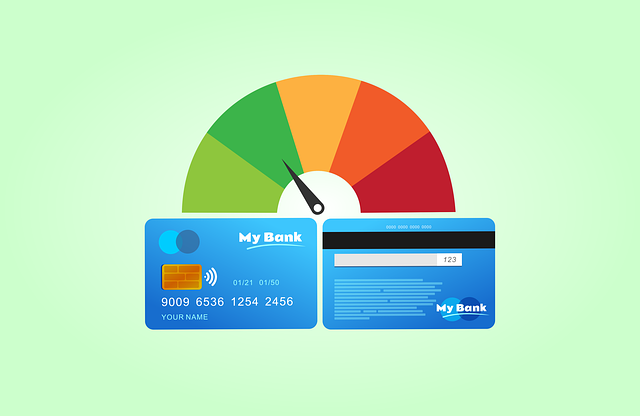
Credit problems show up suddenly, but they often build quietly, through small choices that feel harmless at the time. Higher limit, delayed payment, or a loan taken without thinking about how it ends, all lead to this issue.
Financial stability does not come from avoiding credit. It comes from using it with intention, patience, and a clear sense of control. Credit is a tool. And tools work well only when used for the right job.
Setting your own credit limits
The limit a bank gives you is not advice. It is a sales number. Lenders decide limits based on risk tolerance and profit models, not on how calm your monthly life should feel.
A smart decision is setting your own ceiling and treating anything above it as off-limits. This personal limit should leave room for normal expenses, emergencies, and mental ease. If using credit starts to feel tight even before the due date, the limit is already too high. Stability comes from breathing space, not maximum usage.
Choosing credit that you can predict
Uncertainty drains energy. Credit works best when you know exactly what is coming every month.
Fixed repayment structures give clarity. You know the amount, the timeline, and the finish line. Flexible credit often looks attractive because it promises freedom, but that freedom can turn into drifting balances that never shrink. Predictability keeps your finances boring, and boring is good.
This is one reason people seek structured credit tools like a trade line for sale, especially when past credit use has become messy. Having clarity around repayment changes how decisions are made day to day.
Matching loan length to the need
Borrowing short-term money for long-term needs creates panic. Borrowing long-term money for short-term expenses creates drag.
The duration of a loan should roughly match how long the benefit lasts. Education, equipment, or long-term improvements can justify longer repayment. Daily expenses stretched over years damage the stability. This mismatch is one of the most common reasons people feel stuck, even while paying on time.
Reducing reliance on revolving credit
Revolving credit feels convenient until it becomes permanent. The goal is not to eliminate it overnight but to slowly reduce dependence. Turning revolving balances into planned payoffs brings relief that is hard to explain until experienced. Each month should close with less uncertainty than the one before.
Many people improve their credit standing not by dramatic actions, but by consistently shrinking revolving exposure. Structured support helps people move from endless cycles to defined progress without feeling overwhelmed.
Limiting the number of active accounts
Even responsible users feel strain when juggling many active credit lines. Missed payments come from overload, not irresponsibility. Fewer accounts create focus. Focus reduces mistakes. Mistakes are what damage stability faster than interest ever could.
Prepaying without hurting cash flow
Early repayment feels like a win, but timing matters too. Using all spare cash to prepay can leave you exposed to sudden expenses. Stability comes from balance. Partial prepayments that still protect liquidity work better than aggressive closures that empty reserves.
Avoiding credit that only buys time
Some credit options do not solve problems. They just delay them.
Balance transfers, rollovers, and repeated refinancing can look productive while extending strain. If credit is used to postpone necessary changes, it weakens long-term stability. Relief should reduce pressure, then reset the countdown.
The question to ask is simple: Does this move reduce future stress, or just move it forward?
Reworking credit after income changes
Many people adjust their lifestyle after income changes, but leave credit untouched.
When income rises, credit should become easier to manage. When income falls, credit plans must be reworked immediately. Waiting for missed payments is waiting too long. Stability favors early correction over silent endurance.
Knowing how each loan ends
Before borrowing, there should be a clear picture of the last payment, the timeline, and the condition you want to be in afterward. Credit taken without an exit plan lingers longer than expected and affects decisions in unrelated areas of life.
Professionals in credit improvement focus heavily on this exit thinking. Reliable credit services emphasize not just score movement, but healthier patterns that make future decisions easier and less reactive.
Conclusion
Better financial stability is not about doing something dramatic. It comes from steady, thoughtful credit decisions made with long-term calm in mind.
When limits are self-set, repayments are predictable, balances reflect income, and every loan has an ending, credit becomes manageable instead of stressful. Stability grows when credit stops being a source of constant attention and becomes just another tool doing its job in the background.