

Your water bill just arrived.
You open the envelope. You scan the amount. Your stomach drops a little. It’s higher than last month. Noticeably higher.
You start panicking slightly. Did you leave something running? Have the kids been having extra-long showers? You wrack your brains trying to figure out what you’ve done differently. Because something must be different, right?
But nothing is. You still shower for the same amount of time. Your washing machine runs on the same cycle it always has. You haven’t changed anything.
So why has your bill jumped by £40?
It’s one of those moments that makes you feel a bit helpless. You’re paying for something you’re not using. Water’s just vanishing somewhere. But where? You can’t see it. You can’t hear it. You’re just getting charged for it.
Welcome to the silent leak problem. It’s probably happening right now, somewhere in your home. Behind your walls. Under your floorboards. Through pipes you’ll never actually see. And it’s costing you serious money – the kind of money that, if you don’t catch it early, could balloon into something genuinely expensive.
Why Norwich Homes Are Particularly Vulnerable
If you live in Norwich, you probably live in a beautiful house. There’s a reason people love this city. The character’s everywhere. Victorian terraces with original cornicing. Georgian townhouses with sash windows. Semi-detached properties with real craftsmanship you don’t see in new builds.
But – and here’s the catch – all that charm and character comes with a hidden cost.
Your house is old. Your plumbing is old too.
Think about it. The pipes running through your walls? They were probably installed when your mum and dad were kids. Or even earlier. That copper piping’s been doing the same job for decades. Year after year. Slowly corroding. The rubber washers inside your taps? They’ve become brittle and cracked. The connections are getting weaker.
It’s not sudden. It’s not dramatic. It just… happens. Quietly.
And you’re far from alone. Norwich water authority gets roughly 15,000 reports of suspected water leaks every single year. Let that sink in. That’s about 41 per day. In a city with roughly 130,000 homes, that means about one in every eight households will report a leak this year.
One in eight.
But here’s the thing: that’s only counting the people who actually notice. How many leaks are happening right now in homes where the owners have no idea?
The Hidden Cost of Ignoring Water Leaks
Let’s start with something you can actually picture.
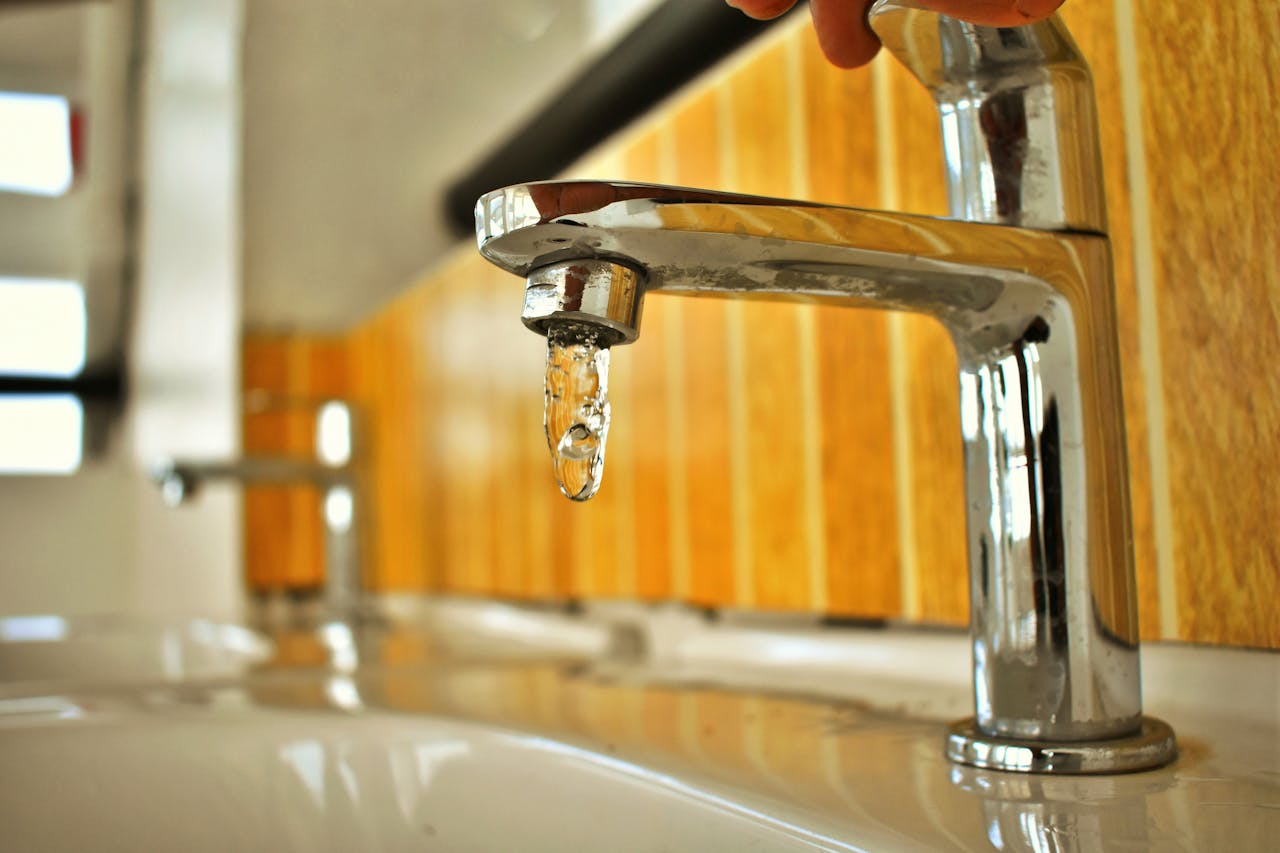
There’s probably a tap somewhere in your home that’s been dripping for ages. You know exactly which one I’m talking about. It’s in the bathroom, or maybe the kitchen. You’ve gotten so used to the sound that you’ve just… tuned it out. It’s just a drip. How much damage could one little drip possibly do?
More than you’d think.
One drip per second. That’s it. Not a stream. Not a leak. Just a drip. That single drip adds up to 2,700 litres of water wasted every single year. Think about that for a second. That’s roughly enough to fill your garden pond thirteen times over. Or like having a long, hot bath and letting it completely run away. Except you’re doing that every single day for a year.
At Norwich water rates – roughly £1.60 per cubic metre – one dripping tap costs you about £43 per year. That doesn’t sound like much, does it? But if you’ve got two dripping taps? That’s £86 a year you’re literally watching disappear. Three taps? You’re at £130 a year.
But here’s where it gets properly scary: most silent leaks aren’t drips you can hear.
These aren’t the kind of leaks that announce themselves. They’re not dramatic. They’re quiet seeps happening behind your walls. They’re microscopic cracks in compression fittings buried inside your floorboards. They’re the leaks that waste water for weeks, months, years without ever drawing attention to themselves.
This is where the real numbers get frightening. According to the UK Water Industry Association, the average household in this country loses enough water through leaks to fill an Olympic-sized swimming pool every single twenty-year period. Imagine that. Two decades of silent water loss. That’s 2,500 cubic metres of water just… gone.
Do the maths at Norwich rates and you’re looking at roughly £4,000 in wasted water charges alone. Over twenty years. That’s £200 a year you probably don’t even know you’re paying.
But – and this is the crucial bit – that £4,000 figure doesn’t actually tell you the real story. The real story is what happens to your home while all this water’s escaping.
When Water Starts Causing Property Damage
Water does things to buildings that are honestly pretty horrifying when you stop to think about them.
It softens timber. Wood that’s been solid for decades starts to become weak and spongy. Joists and beams – the things holding your home up – they start to fail. If it’s happening in your foundations, you’re looking at subsidence. And subsidence isn’t just an inconvenience. It’s the kind of problem that follows you around for years. Trying to get insurance. Trying to sell your home. Trying to get a mortgage. Repairing subsidence? That’s anywhere from £10,000 to £50,000 or more. Some people spend twice that.
But that’s just the structural stuff.
Where there’s moisture, there’s mould. Not the kind of mould you can just wipe off. Black mould. The aggressive kind that creeps across walls. The kind that triggers respiratory problems in kids. The kind that makes elderly relatives cough through the night. Treating black mould remediation properly – actually dealing with it, not just painting over it – typically costs £1,500 to £3,000. And that’s if you catch it before it’s spread everywhere.
Then there’s the electricity problem. Water near wiring is genuinely dangerous. We’re talking fire risks here. Potential electrical shocks. If water’s been seeping around your electrics for months, you might need to rewire part of your home. That’s £3,000 to £8,000. Sometimes more if the damage is extensive.
And the cosmetic damage? The stuff that might seem minor until you realise it’s actually in your home?
The plaster bubbles. The paint peels off in strips. The wallpaper curls off the walls in great big damp patches. Replastering and redecorating a single room costs £500 to £1,200. But if the leak’s affected multiple rooms – maybe your bedroom and the bathroom and part of the hallway – you’re multiplying that cost. Fast.
Here’s the brutal reality: a leak that costs £200 to repair when you catch it early – a simple pipe repair, a new fitting – can cost £3,000 to £5,000 once the damage compounds. Sometimes far more. Sometimes way, way more.
You’re not just paying to fix the leak. You’re paying to fix everything the leak broke.
The Warning Signs You’re Missing
This is the frustrating part. Most Norwich homeowners don’t realise they’ve got a problem until damage becomes obvious. Really obvious. By then, you’re looking at expensive repairs. Sometimes very expensive repairs.
But the signs are there. They’re actually quite easy to spot once you know what you’re looking for.
Your water meter is basically your leak detector, and you’ve probably never actually looked at it. I’m serious. Go find it. It’s usually under a cover in your front garden or sometimes outside your property. Turn off every single tap in your home. Switch off the washing machine. Turn off the dishwasher. That outside tap? Off. Now watch the meter dial. If it’s still moving – even slightly – you’ve got a leak. The faster it moves, the worse the problem. This takes 30 seconds and it’s free. Actually do this today.
Soft, spongy floorboards are a proper red flag. If you notice that the floor feels a bit mushy in one area – maybe in your kitchen or bathroom – don’t ignore it. This means moisture is sitting underneath the surface. This isn’t a new problem. This means a leak’s been happening long enough to actually saturate your subfloor. That’s serious stuff.
Damp patches on your outside walls when it hasn’t rained? That’s your home trying to tell you something. Water doesn’t stay put once it escapes from a pipe. It travels. It migrates through materials. If you spot a dark patch on your external wall, especially when there’s been no rain, water from your internal pipes has travelled outward. More people see this than realise what it means.
Your garden might be telling on you. Got a strip of your lawn that’s noticeably greener or lusher than everywhere else? Like, obviously greener? That’s usually water saturation in the soil directly above your water pipe. It sounds weird, but it’s a genuine warning sign that plumbers use all the time. Nature’s leak detector.
Cold spots on your kitchen floor or patches of wet carpet. These aren’t random. They’re not coincidence. They’re directly above where water is escaping. Full stop. If you notice this, it’s not going to fix itself.
Excessive condensation during winter when you haven’t been using hot water. Yes, bathrooms create steam when you shower. That’s completely normal. But if you’re seeing condensation forming across multiple rooms – condensation on windows, damp patches on ceilings – when you haven’t actually been using hot water, that’s your clue. It suggests internal leaks elsewhere in your home creating all that moisture.
Silent Leaks: Where They Hide
Let me explain how your home’s water system actually works, because understanding this makes spotting problems way easier.
Your home’s got two completely different water systems running through it.
The incoming pipes bring fresh water into your home from the mains. They typically come in under your kitchen sink or through an external wall into a utility room somewhere. Once they’re inside, they branch off everywhere – upstairs, downstairs, to every room that needs water. The kitchen, the bathroom, the laundry room, everywhere. Now here’s the problem: in older Norwich homes, these pipes often run through your walls rather than under the floorboards. That means if a leak happens, it’s happening inside your walls. Hidden. Invisible. You could have water slowly destroying the structure of your home and have absolutely no idea it’s happening.
The drainage pipes do the opposite job. They’re the escape route for used water – the water that’s been through your sinks, your baths, your showers, your toilets. That water exits through your external wall or underneath your property toward the main sewer. Now, drainage leaks create a completely different headache. You’re not just wasting water (bad enough). You’re allowing foul water to seep into your soil. That’s a health hazard. That’s the kind of problem that can actually make you sick.
The most dangerous leaks? Almost always the ones you can’t see.
Picture this: a pinhole leak in a pipe that’s hidden behind a finished wall. A tiny hole. You could barely fit a pin through it. It’s dripping at maybe 10 millilitres per hour. That’s almost nothing. You’d never notice it. But give it 30 days and that tiny, invisible leak has silently released 7,200 millilitres into your home’s structure. That’s 7.2 litres. Day after day. Week after week. Month after month. And you haven’t got a clue it’s happening.
How Professional Plumbers Find Leaks You Can’t
If you’ve done your own detective work and you’re pretty sure something’s not right, but you genuinely can’t figure out where – that’s exactly what professional plumbers spend their careers training for.
They’ve got equipment that sounds like something from a spy film, honestly. It’s almost impressive.
Water pressure testing checks where pressure drops in your system. This pinpoints exactly which section of pipework’s got the problem. It’s straightforward, but it requires proper equipment and someone who knows what they’re doing.
Acoustic listening devices detect the sound of water escaping. Yeah, I know how that sounds. Weird, right? But escaping water produces specific frequencies. Plumbers trained in this can literally hear where the leak is happening – through walls, under floorboards, wherever. It’s genuinely like giving a plumber X-ray vision.
Thermal imaging cameras are brilliant for this. They show temperature variations in your walls. Escaping water creates cooler patches. A decent thermal camera reveals these instantly. It’s basically magic technology for finding hidden leaks.
Dye testing for drainage systems uses fluorescent dye to trace where foul water is actually escaping. You can see exactly where contamination’s going. Where it’s spreading. What path it’s taking.
A professional leak survey typically costs £80 to £150. Think about it this way: for £150, you get an expert who can find the problem. And if you find that leak early enough to repair it before damage spreads? That £150 just saved you thousands. Tens of thousands potentially. It’s possibly the best money you could possibly spend.
The £3,000 Threshold: When Leaks Become Expensive
Here’s something that’ll frustrate you when you learn it: your home insurance probably won’t actually cover water damage from leaks you knew about but didn’t fix.
It seems unfair. It probably is unfair. But that’s how insurance companies operate. They’re not going to pay out for damage caused by negligence – damage you could have prevented but chose not to.
However – and this matters a lot – they often will cover sudden, accidental damage from burst pipes.
There’s a massive gap between these two scenarios. And that gap is measured in thousands of pounds.
A slow leak that develops over months? That’s your responsibility. You’re paying for the repairs. A pipe that suddenly bursts? Insurance frequently steps in and covers it.
It’s genuinely perverse when you think about it. The system actually incentivises you to ignore slow leaks and hope for dramatic failure rather than dealing with problems now, when they’re still manageable. But waiting is precisely the wrong move.
Waiting is expensive. Properly expensive.
Here’s what leak repairs actually cost in Norwich:
A simple leaking tap washer replacement? £25 to £50. You can sort that in an afternoon. A compression joint repair? £60 to £120. Still totally manageable. You can afford it without losing sleep.
But once water damage has occurred – once you need replastering on affected walls, professional mould treatment, replacement of saturated flooring, maybe structural repairs – suddenly you’re looking at £1,500 to £4,000. Sometimes way more than that.
The insurance argument actually makes a really strong case for acting now rather than putting it off.
What You Should Do This Week
Look. I’m going to be direct. You’re going to read this and think “Yeah, I should check that.” Then you’re not going to do it. Not today. Not this week. You’ll think about it while you’re brushing your teeth. You’ll remember it while you’re on the phone. Then life will get in the way.
Don’t let that happen.
Actually do this. Not next month. Not “when I get round to it.” This week. Maybe today.
Check your water meter. That’s the first step. Find it – it’s usually tucked away somewhere under a cover in your front garden. Turn off absolutely everything that uses water. Every tap. The washing machine. The dishwasher. That outside tap. The lot. Now look at your meter and wait. Leave it for 30 minutes. If the needle has moved at all, you’ve got a leak somewhere. If it’s moved noticeably, you’ve got a problem that needs attention.
Then actually walk around your home. Don’t just think about it. Walk around. Properly inspect things. Check:
- Under each sink – are there any drips? Does the flooring feel spongy?
- Behind toilet cisterns – any dampness back there?
- Inside your airing cupboard and under the stairs – these are common pipe routes
- Your basement or cellar – any moisture at all?
- Outside walls – unexplained damp patches?
When everything’s quiet, listen. I mean actually listen. Stand still in different rooms. Can you hear water running when nothing’s switched on? Listen properly. That sound indicates an active leak.
If you find evidence of any of these things, anything at all that makes you go “hmm, that’s not right” – don’t wait. Call a qualified plumber like Royal Flush Plumbing in Norwich or other reputable plumbing companies that specialise in exactly this. They can get to you quickly. They’re used to handling these situations.
Don’t put it off. The longer a leak runs, the more it costs. And we’re not just talking about your water bill anymore.
The Real Price of Ignorance
That £3,000 figure in the title? It’s not pulled out of thin air. It’s the average cost Norwich homeowners report paying for water damage repairs after they’ve discovered silent leaks too late.
Some people pay less. I mean, occasionally. But most people pay more. Way more. I’ve heard of people paying £6,000. £8,000. One family ended up spending £12,000 because the leak went undetected for years and structural damage became serious.
But here’s what actually gets to people – it’s not just the money, although that’s bad enough.
Almost every single person who’s been through this when they’re faced with a massive bill for water damage – says the exact same thing afterwards. “If I’d known, I would have called someone immediately.”
They don’t regret paying for the repair. They regret not catching it earlier. They regret the months or years they let that leak quietly damage their home. They regret the stress. The disruption. The worry.
Your water bill is sending you a message right now. It’s standing on your doorstep waving its arms. It’s trying to tell you something’s wrong.
Listen to it.
Check your meter this week. Walk around your home. Listen. Do it.
Because that leak you can’t see? It’s busy seeing your home. It’s busy costing you money. And the longer you ignore it, the more expensive your home becomes to live in.
Don’t wait for the disaster. Deal with it now.