

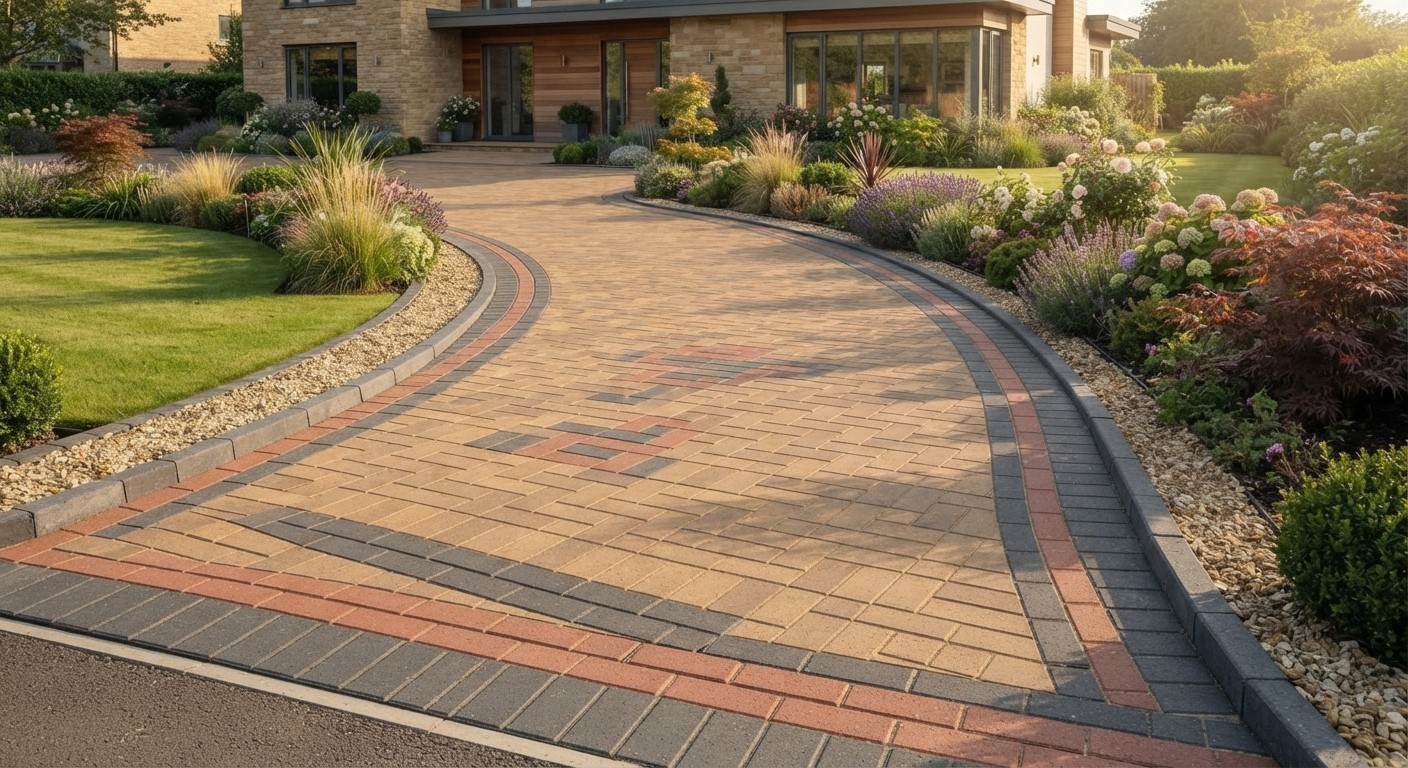
Most people choose block paving the way they choose a sofa: by looking at it. The colour, the herringbone or basketweave, whether a contrasting border suits the house. All fair enough. But driveways that go wrong, with wheel tracks sinking or blocks rocking underfoot, almost never fail because of the blocks. They fail because of what’s underneath. So if you’re comparing quotes for a block paving driveway installation in Ripley, it’s worth knowing what a proper job involves before you look at a single pattern.
Start with the groundwork
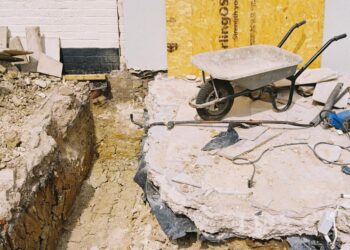
A good installer begins by digging out the existing surface and any soft ground below it. On top of that goes a compacted stone sub-base, which carries the weight of the cars. A thin layer of screeded sharp sand comes next, and the blocks are laid into it. How deep the sub-base needs to be depends on the soil and on what will drive across it. A quote that never mentions excavation or sub-base deserves a follow-up question.
Edges and joints hold it together
Block paving only works because it is locked in. Edge restraints along the borders stop the blocks creeping outwards under load. Once everything is laid, the surface is compacted and fine sand is brushed into the joints so the blocks grip each other. If a driveway looks fine but the edges are loose, that’s usually where trouble starts. It’s cheap to get right at the beginning and awkward to fix later.
Drainage and planning
Rainwater is the other thing to sort out. The Royal Horticultural Society’s front-garden advice says you don’t need planning permission for a new driveway if it uses a permeable surface such as permeable block paving, or if the water drains to a lawn or border. Cover more than five square metres with an impermeable surface and nowhere for the water to go, and you do need to apply. Ask your installer which route they’re taking, and have it written into the quote.
How long it takes
For a standard driveway, Vanguard Driveways quotes three to five days, and longer for bigger or more intricate layouts. Wet weather slows both the groundwork and the laying, so a good installer will give you a realistic window and tell you what happens if the forecast turns.
What it costs
Checkatrade’s 2026 cost guide puts block paving at roughly £100 per square metre fitted, against about £90 for tarmac and £120 for resin-bound. Treat that as a yardstick, not a price. Groundwork, drainage, machine access and decorative borders can move the figure either way, which is why two quotes for the same driveway can look so different. Compare what’s included before you compare the total.
Looking after it
Block paving is easy to live with, but it isn’t maintenance-free. Weeds find the joints and sand washes out over time, so an occasional brush-in of fresh sand keeps things tight. Moss and stains respond to cleaning, and sealing can help protect the surface. The upside is that one damaged block can be lifted and replaced without ripping up the rest, which you can’t say about most other surfaces.
Questions worth asking
Before you sign, ask what depth of sub-base is being used, how the edges are held, how rainwater is handled and how long the work should take. Ask whether the price covers removing the old surface and taking the waste away. And ask to see a driveway that’s been down a few years, not just photos from last week. Good installers are usually happy to talk about this.
Vanguard Driveways, based in Chesterfield, offers free, no-obligation quotes if you’d like a second opinion on what you’ve been given. Whoever you choose, pick the one who can explain the base, not just the pattern.