


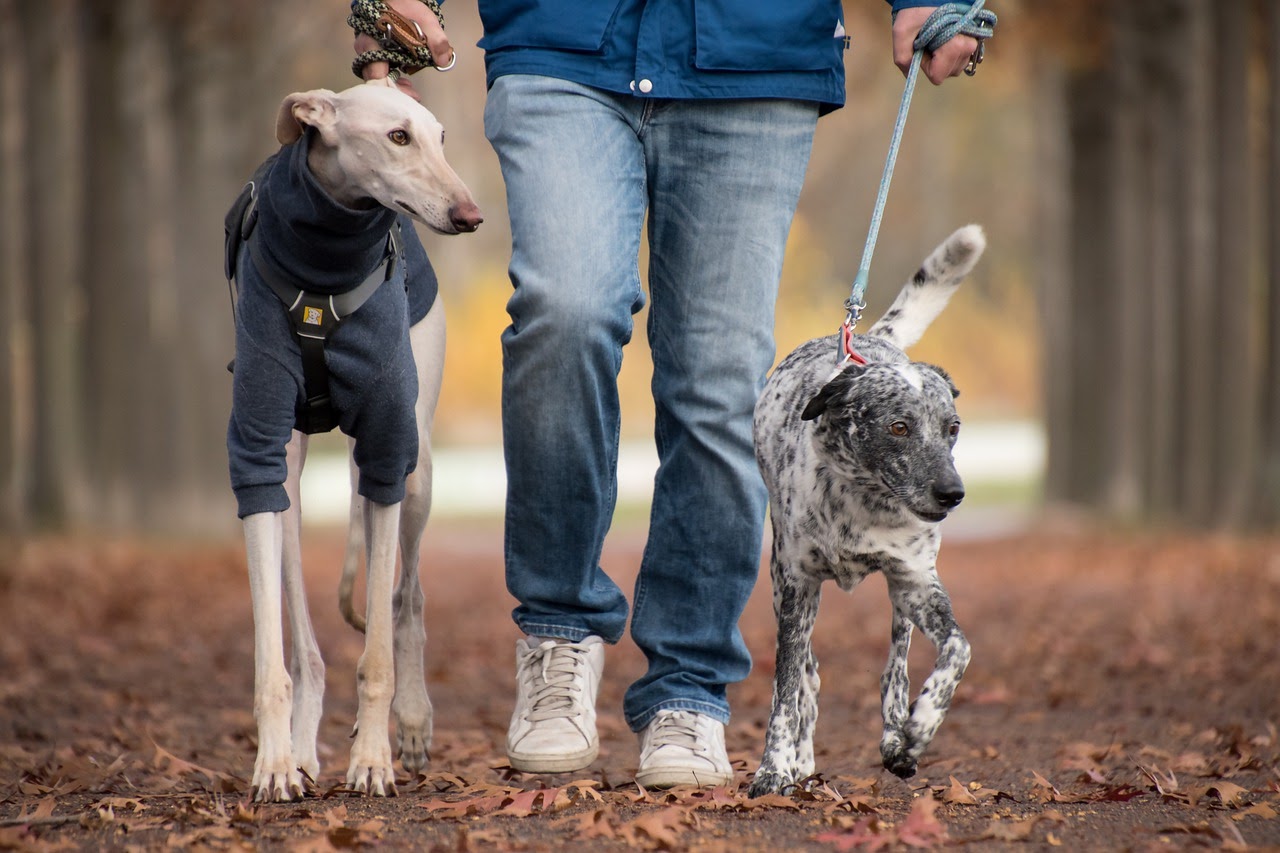
For many Aussie pet owners, dog insurance is one of those “I’ll look into it later” tasks, until an unexpected vet bill arrives and reality hits harder than a Great Dane’s tail wag. While most people understand the basics of pet insurance, there’s plenty about it that goes unnoticed. Whether you’re a new pup parent or you’ve shared your life with dogs for years, here are 10 things you probably didn’t know about insurance for dogs, and why it might be more valuable than you realise.
Dog Insurance Isn’t Just for Emergencies
Most Australians think dog insurance only covers accidents, like a broken leg or a snake bite. But many policies include cover for a range of illnesses as well—everything from digestive issues to chronic health conditions. Some plans even offer optional extras like dental work and behavioural therapy.
You Can Choose Your Own Vet
Unlike human health insurance, dog insurance generally allows you to visit any licensed veterinarian in Australia. This means you’re not locked into a particular clinic or location—helpful for travellers, families in remote areas, or owners with dogs that prefer a familiar vet.
Premiums Can Be Lower When You Insure Your Dog Early
Just like humans, dogs are more likely to develop health issues as they age. That means insurers charge higher premiums for older pups. Taking out a policy early—ideally during puppyhood—can keep premiums lower and reduce the chance of pre-existing exclusions.
Pre-Existing Conditions Don’t Always Mean “No Cover”
Many Aussies assume that if their dog has any pre-existing condition, they’re automatically excluded for life. That’s not always the case. Some insurers review conditions after a symptom-free period and may reinstate cover, especially for temporary conditions such as infections or minor injuries.
Breed Matters More Than You Think
Certain dog breeds are genetically predisposed to health issues, and insurers know this. Bulldogs, for example, can have respiratory problems, while large breeds like German Shepherds may develop hip dysplasia. These risks influence premiums, waiting periods, and coverage limits—another good reason to compare policies carefully.
Dog Insurance Can Cover Alternative Therapies
This surprises a lot of pet owners: some Australian policies reimburse treatments such as acupuncture, hydrotherapy, and physiotherapy when recommended by a vet. These therapies can play a huge role in recovery from injury or surgery.
Routine Care Add-Ons May Save You Money
Routine care isn’t included in standard insurance, but optional add-ons can cover things like vaccinations, microchipping, desexing, flea and worm treatments, or even obedience training. If you stay on top of preventative care anyway, routine cover can give you money back for things you already plan to do.
Claims Are Easier Than They Used to Be
Gone are the days of faxing forms and waiting weeks. These days, many insurers offer mobile apps or online portals that allow you to upload invoices and receive reimbursements quickly—sometimes within a few business days.
Dog Insurance Can Protect You From Five-Figure Vet Bills
Advanced veterinary care in Australia has improved dramatically, but it comes at a cost. Surgeries can climb into the thousands, and ongoing treatment for chronic illnesses can easily add up to five figures over the life of your dog. Insurance helps buffer those surprises, ensuring money isn’t the deciding factor in your dog’s treatment.
It Can Improve Your Dog’s Quality of Life
While the financial safety net is obvious, what many don’t consider is how dog insurance impacts your dog’s overall wellbeing. Owners with insurance are more likely to seek treatment early, follow through with specialists, and opt for recommended procedures—leading to happier, healthier pups.
Final Thoughts
Dog insurance may not be as exciting as buying a new dog bed or a squeaky toy, but it’s one of the smartest investments you can make in your pet’s long-term health. With rising vet costs and more advanced treatment options available every year, having insurance gives you peace of mind and ensures your furry mate receives the care they deserve.