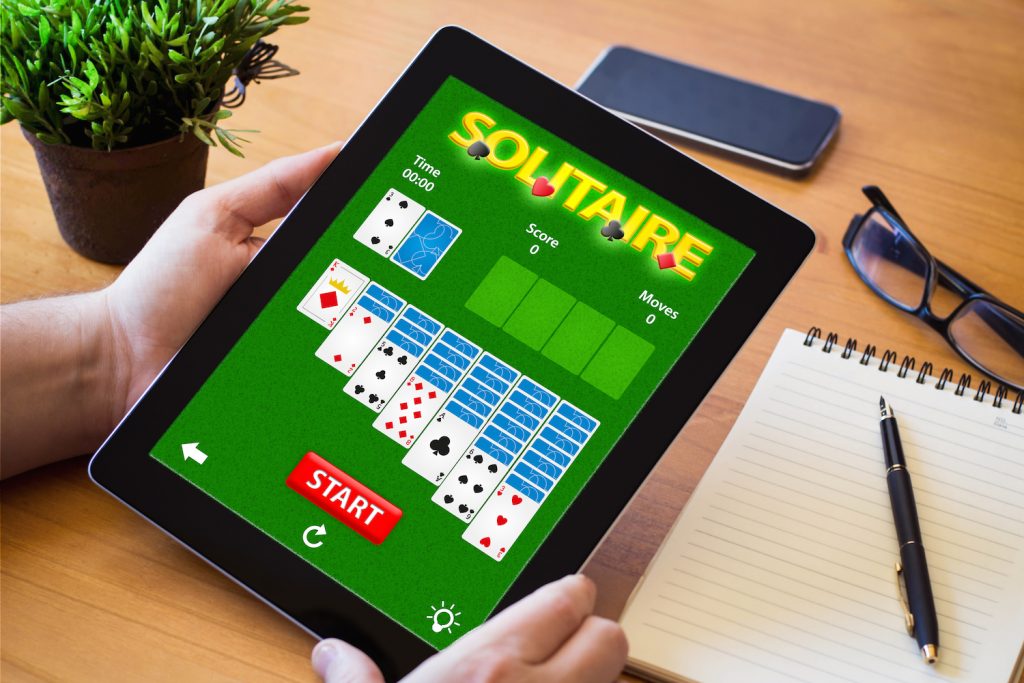



You learn a lot about people by watching how they handle a deck of cards. Some touch them like they’re instruments, shuffling without thinking, fingers loose and calm. Others hold them too tight, as if control could change the odds. Somewhere in that small difference lives the split between strategy and luck. These are the two instincts that have kept card games alive for centuries.
Strategy players are architects. They want the game to make sense. They build patterns, study hands, remember what’s been played, and pretend they aren’t doing any of it. You see it in the stillness of a poker table, in how someone like Daniel Negreanu can talk through a hand while calculating everything from body language to probability. The table might look quiet, but underneath, it’s pure noise and a raging storm of small decisions disguised as patience.
That same instinct carries over into modern games like Magic: The Gathering or any other card game that involves strategy and not just luck. Those players don’t play by chance; they build decks like engineers. Every combination is a small theory about how to control the uncontrollable. It’s preparation disguised as play. A good player doesn’t just want to win but they want to understand why they won.
Then there are the others and I mean the ones who play to feel something they can’t explain. Blackjack. Baccarat. Rummy. All the games you can play on Betway, are a mixture of fun and betting and gambling, and somehow the fun isn’t tied to the outcome. It’s in the flicker between what could happen and what actually does. In those games, thinking too much ruins everything. You can’t plan; you can only wait.
Luck games have a rhythm that strategy games never will. They breathe differently. There’s laughter, noise, stories about close calls that get better each time they’re told. Nobody writes down blackjack tactics on napkins or watches replays of a Go Fish round. They remember the feeling of the rush, the disbelief, the one impossible card that showed up when it shouldn’t have.
The funny thing is, everyone drifts between both worlds eventually. The poker player starts tapping the table twice before every deal, just in case it helps. The casual Uno player starts counting cards after three losses. Strategy and luck bleed into each other because neither side is complete. A little skill makes luck sweeter. A little luck keeps skill humble.
That’s why cards never go out of style. They live somewhere between control and surrender which are the two moods of people who never stop chasing. You sit down, you shuffle, and for a few minutes the world is fair: rules are clear, choices matter, and chance decides the rest.
The beauty of it isn’t in winning. It’s in the reveal, that soft slap of a card hitting the table and turning everything upside down. For a second, you stop thinking about whether the game is skill or luck or something in between.