

Ontario stands as the economic hub of Canada — a province where industries, trade routes, and logistics networks intersect. From automotive manufacturing in Windsor to agriculture in the Golden Horseshoe, Ontario depends heavily on trucking to keep goods flowing smoothly across provincial and national borders.
Reliable freight movement is the invisible force driving production, retail, and commerce. As demand for efficiency and sustainability grows, trucking companies in Ontario play a crucial role in maintaining the balance between supply and demand, ensuring that products reach businesses and consumers safely and on time.
The Role of Trucking in Ontario’s Economy
Ontario’s location in the rest of Canada’s logistics matrix means that it has to be considered for a trade or logistics-oriented strategy. With large highways, intermodal centres, and border crossings, the province serves as a link between Canadian manufacturers and U.S. and world markets.
Tens of thousands of trucks deliver a disproportionately large share of the products that keep the economy moving, including building materials, consumer electronics, energy infrastructure, and food. All that movement has to be smooth and uninterrupted, or factories stop, store shelves empty and trade ties weaken.
Trucking is commerce, and trucking is jobs. The long-haul drivers, dispatchers, warehouse technicians and maintenance professionals are the backbone of Ontario’s economy – the industry provides tens of thousands of jobs and fuels Ontario’s economic resilience.
What Sets Ontario Trucking Apart
The Ontario trucking industry has changed rapidly over the last few years. What used to be manual labor and rudimentary logistics is now a technology-centric industry focused on accuracy, safety and productivity.
Features include:
- Advanced Fleet Management: Today’s fleet management solutions allow fleets to use telematics, GPS tracking, and other such tools to trace routes, delivery times, as well as the performance of vehicles.
- Cross-Border Expertise: Ontario-based agents address international regulations, customs processing and load documentation to help make U.S.–Canada moves hassle-free.
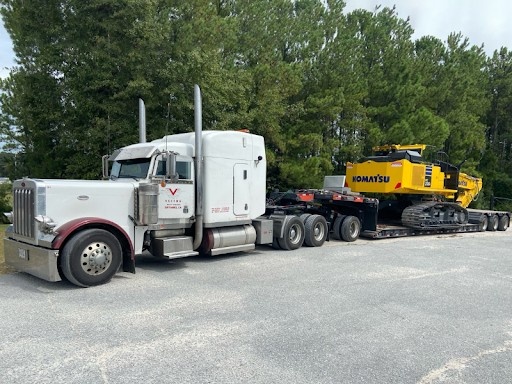
- Specialized hauling: Numerous companies specialize in niche areas such as heavy machinery, oversize loads or temperature-sensitive cargo.
- Green Initiatives: In line with growing environmental concerns, the trucking industry in Ontario is turning to low-emission engines along with alternative fuel solutions.
Common Challenges Faced by Trucking Companies
Yet a number of longstanding challenges that influence logistics performance and pricing continue to plague the sector.
- Driver Shortages
They are still struggling to attract and keep good drivers. Long hours, rotating schedules and training expenses widen the gaps. - Fuel Price Fluctuations
Rising and falling oil prices influence the cost of operations and the freight rates which are fuel-dependent; fuel-saving technologies are being utilised by carriers. - Regulatory Requirements
The transportation regulations in Ontario are very rigid concerning safety, weight and environmental regulations. - Infrastructure and Congestion
Heavy traffic, roadwork, and few truck stops can delay deliveries and drive up costs. - Sustainability Demands: With the pressure to green logistics at an all-time high, trucking firms must make environmentally responsible decisions while keeping operations efficient.
The Benefits of Partnering with Reliable Carriers
Selecting the right freight partner can be a game-changer for manufacturers, retailers and suppliers. Professional carriers offer expertise in the industry, specialised equipment and trained drivers that make for safe and timely deliveries.
Working with dependable trucking companies near you provides several advantages:
- On-time delivery and route reliability
- Access to modern, well-maintained fleets
- Compliance with all transportation safety regulations
- Transparent communication and real-time tracking updates
- Flexibility for custom freight requirements
These benefits create a smoother, more predictable logistics experience — especially crucial in industries where time-sensitive or heavy freight is involved.
Technology Transforming the Trucking Landscape
Digitalisation has transformed the way the trucking industry works. Carriers now use state-of-the-art systems — from route planning and vehicle maintenance to driver payroll.
Important technology breakthroughs include:
- AI-Powered Dispatching: AI enables more efficient load assignment, reducing downtime and increasing productivity.
- Electronic Logging Devices (ELDs): These help ensure drivers adhere to the limits on the amount of work hours, promoting safety and transparency.
- Predictive Maintenance: Sophisticated sensors can notify owners and operators of impending equipment failure, thereby avoiding expensive downtime.
- Data Analytics: With real-time-performance monitoring, companies can optimize fuel efficiency and delivery accuracy.
Technology not only brings performance improvements but also generates trust with end clients seeking reliability and traceability of their produce.
Sustainability and Green Logistics in Ontario
Environmental responsibility is becoming a defining feature of modern trucking. As climate initiatives take root, carriers are adopting eco-friendly practices that reduce emissions and conserve resources.
These efforts include:
- Utilisation of aerodynamic trailers and the rolling resistance of tyres is reduced to decrease fuel consumption
- Switching to biodiesel and electric trucks
- Adopting route optimisation systems to avoid unnecessary miles
- Driver coaching for eco-efficient driving style.
- By combining innovation with sustainability, Ontario’s trucking sector contributes to a cleaner, greener future while maintaining high performance standards.
Safety as a Core Priority
Safety is the core of every successful trucking company. Carriers spend a great deal of money to train their drivers and to have their equipment inspected and maintained to meet provincial safety standards.
- Regular vehicle maintenance checks
- Strict adherence to load securement protocols
- Comprehensive driver safety programs
- Emergency response readiness for heavy or hazardous freight
These measures not only protect drivers and cargo but also ensure public safety on Ontario’s busy highways.
Future Trends Shaping the Trucking Industry
The outlook for freight transport in Ontario is bright, with strong potential for growth and profitability as a result of innovation, infrastructure development and changing expectations from consumers.
Emerging trends include:
- Electric and Hybrid Truck Adoption: Lower Operating Costs and Emissions
- Self-Driving Vehicle Testing: Making Long-Haul Routes More Productive
- Digital Freight Matching: Enhancing the shipper–carrier relationship
- Infrastructure Upgrades: Modernizing highways and logistics hubs to improve connectivity
These notable advances have put the province at the forefront of modern transport for meeting home demand as well as cross-border traffic.
Conclusion:
Ontario’s trucking industry continues to be a vital part of the Canadian logistics backbone — supporting industries, facilitating trade and connecting communities. With changing technology, sustainability and customer demands, the province is evolving and leading. Selecting professional truckers in Ontario means that clients have access to reliable freight solutions that offer the best value in terms of cost, efficiency, and safety. And by teaming up with reputable trucking companies near me, organizations can get ahead of obstacles and support one of the most sustainable and resilient supply chains in the World within Canada.