

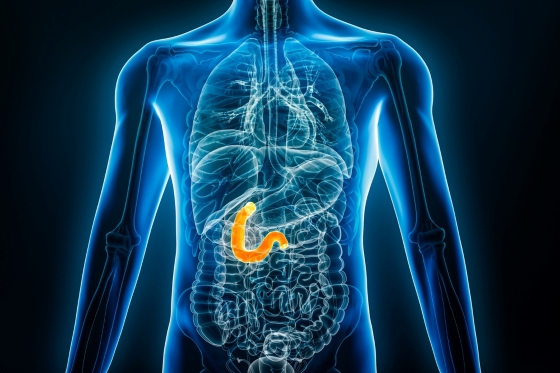
Duodenoscope-related infections have affected patients in St. Louis, Missouri, and at hospitals across the United States. The FDA reported that approximately 300 to 350 patients at 41 medical facilities were infected or exposed to contaminated duodenoscopes between 2010 and 2015. A U.S. Senate investigation tied 25 separate outbreaks to these devices, with at least 250 patients affected. The infections involved antibiotic-resistant bacteria that the CDC has called “nightmare bacteria” due to fatality rates near 50%. Olympus Corporation, which manufactures roughly 85% of all duodenoscopes used in the U.S., paid an $85 million fine after pleading guilty to failing to report serious infection outbreaks to the FDA. More than 500,000 ERCP procedures are performed using these devices in the United States each year.
During use, bile, tissue, blood, and bacteria can enter narrow spaces inside the scope. If residue remains after reprocessing, microbes may survive. For patients in St. Louis and throughout Missouri who developed infections after an ERCP procedure, pursuing an Olympus duodenoscope lawsuit may help determine whether device design, cleaning limitations, or inadequate safety warnings contributed to their harm. Understanding how these devices work helps explain where the risks begin.
Device Design and Legal Concern
A small elevator at the tip helps guide instruments during treatment, but it also creates tight crevices where fluid and debris may remain. Reports involving drug-resistant infections led some patients to examine the Olympus duodenoscope lawsuit because cleaning limits, design choices, and safety warnings can all affect accountability after serious exposure or illness.
Why the Elevator Matters
The elevator mechanism supports precise movement during procedures inside narrow ducts. Its hinges, slots, and recessed surfaces are less easy to reach during cleaning. A brush may pass over the area without touching every surface. Disinfectant also needs direct contact to work well. If bacteria persist near that moving part, later patients may face exposure.
Long Channels Create Cleaning Limits
Duodenoscopes contain internal channels for suction, water, air, and instruments. The FDA has documented significant risks tied to reprocessed duodenoscopes when residue remains inside these pathways. These channels are thin, curved, and difficult to view. Even careful staff cannot see what remains inside most sections. Organic soil can cling to channel walls and block chemical action. Once residue protects microbes, high-level disinfection becomes less dependable.
Biofilm Can Build Up
Bacteria can attach to damp surfaces inside a scope and form a biofilm. This sticky layer shelters organisms from cleaning agents. Once established, biofilm may resist routine brushing and flushing. Repeated use can add new material to old deposits. That cycle makes contamination harder to detect, measure, and remove.
Manual Steps Add Variation
Reprocessing depends on human skill, time, and careful sequencing. Staff must wipe, brush, flush, rinse, disinfect, dry, and store each scope correctly. Busy procedure units can place heavy pressure on those steps. Small lapses matter because the margin for error is narrow. A hard-to-clean shape makes consistent safety harder to achieve.
Resistant Bacteria Raise Stakes
Some duodenoscope-linked outbreaks involved bacteria resistant to several medicines. These organisms can cause bloodstream, abdominal, or bile duct infections. Many patients needing these procedures already have serious illnesses. People with cancer, blocked ducts, transplants, or advanced age may have weaker defenses. For them, a small exposure can become life-threatening.
Reprocessing Instructions Can Be Hard
Manufacturers provide detailed cleaning instructions, yet length and precision can create practical strain. Steps may require exact brush sizes, timed flushing, repeated rinsing, and careful drying. If safe use depends on near-perfect technique, reliability becomes harder across many clinical settings. Clear instructions matter, but simpler access to hard-to-clean parts matters just as much.
Heat and Moisture Issues
Some instruments can undergo steam sterilization at high temperatures. Flexible duodenoscopes often cannot tolerate that process because heat may damage adhesives, lenses, and internal parts. Facilities usually rely on high-level disinfection instead. That approach can work, but lingering moisture supports bacterial survival. Drying is especially important inside narrow channels where airflow is limited.
Device Wear Can Increase Risk
Duodenoscopes are reused across many procedures. Over time, bending, brushing, chemical exposure, and handling can wear surfaces or weaken seals. Scratches may hold residue. Loose components can create new hiding places for microbes. Maintenance reduces danger, but damage can arise between service checks. Aging equipment needs close tracking and prompt repair.
Outbreak Investigations Show Patterns
Public health investigations have found infections linked to scopes that had passed routine reprocessing. That pattern shows why engineering details matter. A device may fit standard workflow yet still retain contamination in protected spaces. Investigators often review cleaning logs, cultures, repair history, and patient timelines. Those records can show whether design, use, or maintenance contributed.
Better Design Can Reduce Risk
Safer duodenoscope design may include disposable caps, sealed elevator parts, smoother surfaces, and easier access for cleaning. Single-use components can reduce points where residue collects. Scratch-resistant materials may limit biofilm attachment. Clearer channel layouts can support more effective brushing and flushing. These changes do not replace training, but they make safe practice more achievable.
What Hospitals Can Do
Hospitals can lower risk through audits, competency checks, repair tracking, and targeted cultures when concerns arise. Staff need enough time, space, and equipment to reprocess scopes correctly. Leaders should review safety alerts and manufacturer updates without delay. Patients can ask how scopes are cleaned, dried, stored, and monitored. Clear answers support informed care decisions.
Conclusion
Duodenoscope-related infection risk usually reflects several factors working together. Design, reprocessing steps, workload, device age, and bacterial resistance all influence safety. The elevator mechanism and narrow channels remain central concerns because they can hide residue from ordinary view. Better engineering, stronger surveillance, and open communication can reduce harm. Patients benefit when clinical systems account for real device limits instead of assuming perfect cleaning after every procedure.