

Your eyes are among the most vital organs in your body—yet they’re often the most neglected. Many people only visit an eye specialist when vision problems become obvious, such as difficulty reading fine print, night driving issues, or recurring eye strain. However, by the time these symptoms appear, certain eye conditions may already be in advanced stages.
Regular eye exams are the cornerstone of preventive eye care. Whether you wear glasses or have never experienced vision issues, scheduling routine visits with an eye clinic in Calgary can help detect eye diseases early, protect long-term vision, and maintain overall eye health.
Why Regular Eye Exams Matter
The health of the eye can be an indicator of overall health. Diseases like diabetes, high blood pressure and rheumatoid arthritis sometimes first manifest in the eyes. Regular tests test not just how well you can see, but whether there are early signs of problems elsewhere in your body.
Not getting regular check-ups means silent eye diseases—including glaucoma or macular degeneration—go unnoticed and continue to do damage. They can lead to permanent loss of vision if not detected and treated early. Early diagnosis is the best means to save sight and avoid long-term problems.”
What Happens During a Comprehensive Eye Exam
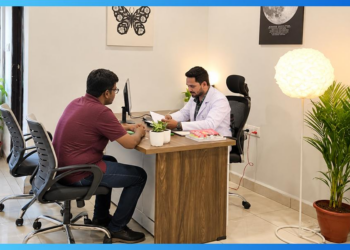
A full eye exam by a professional is far more complete than most vision checks. It involves a very detailed examination of the anatomy and physiology of the eye and the health of the eye.Generally, a visit looks like this:
Medical History Review
How To:: Prepare for an Eye Exam. Information concerning lifestyle and family history is gathered Your optometrist/ophthalmologist will begin by taking a history of your general health, including any medications you are currently taking, your family history, and any symptoms related to your vision that you have now or previously. This leads to finding risk factors for genes or ways of living.
Visual Acuity and Refraction Testing
These assessments evaluate how well you can see at different distances, and whether you need glasses or contact lenses.
Eye Muscle Function and Coordination
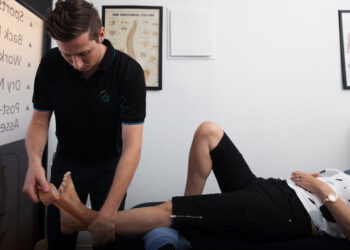
Testing for eye alignment and movement is rather basic: They want to confirm that your eyes are aligned correctly and moving together well.
Pupil Response and Peripheral Vision
The light test and the visual field test will assess how your pupils respond and if you have a functioning peripheral vision.
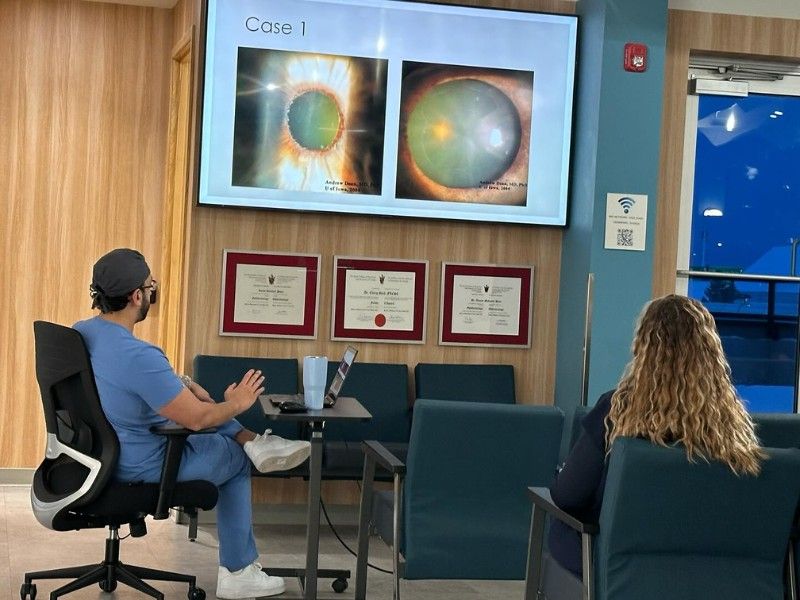
Slit-Lamp Examination
A specialized microscope provides a detailed view of the layers of your eye including the cornea, lens, and iris and can also be instrumental in detecting cataracts, corneal wounds or inflammation. Retinal and Optic Nerve Evaluation
Using special lenses or images obtained from an digital camera, your eye doctor can examine the retina and optic nerve for signs of glaucoma, diabetic retinopathy, or macular degeneration.
Eye Pressure Measurement (Tonometry)
This test measures the pressure within the eye and is useful in diagnosing glaucoma, a major contributor to preventable blindness.
How Often Should You Get an Eye Exam?
How often you need an eye exam depends on your age, health, and vision history. As a general rule:
- Children (6 months–18 years): Every 1–2 years for visual development monitoring.
- Adults (18–39): Every 2 years or more frequently if vision problems arise.
- Ages 40 to 64: Every 1 to 2 years to screen for early signs of eye disease.
- Seniors (65 years and older) Pros: Annual check-ups; because risks of cataracts, glaucoma and macular degeneration rise with age, need to be monitored more closely.
Individuals with diabetes, a family history of eye disease, or systemic diseases that affect the circulation may need to be examined more frequently.
Early Detection: The Key to Vision Preservation
Most eye disorders progress slowly and without pain or early symptoms. Damage is usually permanent by the time vision is lost. Regular examinations enable your eye care professional to detect subtle changes that may indicate new problems, allowing for early intervention.
Some of the most common conditions detected during routine visits include:
- Glaucoma – Glaucoma Eye pressure becomes too high, which damages the optic nerve and results in loss of peripheral vision.
- Cataracts – The eye’s lens becomes cloudy, causing blurred or dimmed vision. Early detection ensures timely cataract surgery if necessary.
- Macular Degeneration – Involves central vision, which makes reading or identifying faces difficult.
- Diabetic Retinopathy – When blood sugar is high, it can damage the blood vessels in the retina, which can cause blindness.
- Dry Eye Syndrome – Insufficient production of tears leads to irritation, redness and pain.
The Role of Technology in Modern Eye Care
Modern diagnostic tools have transformed the diagnosis and monitoring of eye disease. High-tech devices such as Optical Coherence Tomography (OCT), digital retinal imaging and corneal mapping allow eye care professionals to look at the eye in a microscopic view.
These are enabling diseases to be diagnosed at the earliest stage – sometimes before symptoms appear, which is a great help in avoiding long-term damage.
Benefits of Routine Eye Exams
- Early Detection of Disease – Detect diseases such as glaucoma or cataracts before they affect your vision.
- Current Prescriptions – Are your lenses up to date with your current prescription for vision?
- Eye strain relief – Treat digital eye strain experienced by many people living a screen-centric life.
- Tracking Changes in Eye Health – Monitor slow changes in eye pressure or the structure of the retina.
- Better General Health – Spot indications of systemic diseases that manifest in the eyes.
Maintaining Eye Health Between Exams
Although professional care is essential, regular daily behaviors also influence the strength and health of your eyes. Think of those as your eye’s New Year’s resolutions:
- Eat foods high in omega-3 fatty acids, lutein and vitamin A.
- Wear sunglasses that block 100 percent of UV rays when you are outdoors.
- Reduce screen time and take a break using the 20-20-20 rule (every 20 minutes, look 20 feet away for 20 seconds).
- Don’t smoke (it can make your eyes age faster and more likely to get diseases).
- Drink water and keep your weight under control.
These are simple things you can do for your eyes that add up to protecting your vision for years and also for making your eyes feel better now.
Children and Eye Exams: Building Lifelong Vision Habits
Children’s eyes grow quickly, and undiagnosed vision problems can affect their ability to learn and develop. Routine exams promise timely correction of such conditions as amblyopia (“lazy eye”) or strabismus (“crossed eyes”). The early detection of these conditions enables children to have a better academic performance and self-esteem.
Parents should also be alert for symptoms such as squinting or rubbing eyes frequently, or complaints of headaches, which could be signs of vision problems.
Final Thoughts
Good and healthy vision is one of life’s greatest gifts—and it should be consistently looked after. Regular visits with a knowledgeable eye doctor in Calgary enable early identification, successful treatment, and tailored advice for maintaining visual health for life. Whether to make sure your child’s first eye exam is completed or to keep up with the changes that come with age, it is not possible to go wrong if you place professional eye care through a reputable eye clinic in Calgary as your top priority for sight – and for your overall health.