

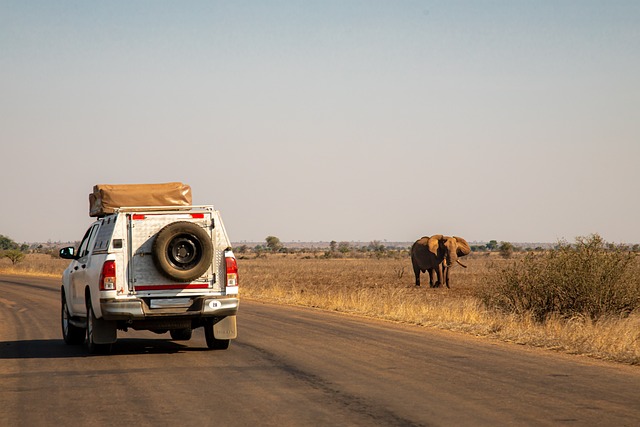
Going on a safari is more than just a holiday; for many, it is a dream come true and a truly life-changing experience. There is something deeply moving about the stillness of the bush at dawn or the sight of a pride of lions moving across the plains of Kruger.However, because a Southern African safari is often a significant investment, ensuring you book through the right company is the most critical step in your planning process.
When you begin your research, the sheer volume of tour operators can be overwhelming. From boutique specialists to global travel giants, the options are endless. To help you navigate the wilderness of travel planning, we have compiled a guide that will make you an expert at selecting the perfect partner for your Southern African journey.
Align Your Interests with Specialist Expertise
The first step in choosing a company is ensuring their expertise aligns with your specific travel goals. Southern Africa offers incredibly diverse ecosystems, from the water-choked channels of Botswana’s Okavango Delta to the towering red dunes of Sossusvlei in Namibia.
A reputable company should have a deep understanding of these landscapes. When browsing their website, look for specific itineraries that cater to your passions. If you are a photography enthusiast, look to see if the company offers dedicated photographic hides and vehicles. If you are travelling with young children, find out if they offer itineraries in low-malaria or malaria-managed areas. A company that tries to be everything to everyone often lacks the essential knowledge required to make a trip truly special.
Evaluate the Quality of Consultation
In the digital age, it is easy to forget that the best travel experiences are often built on human connection. The consultant you choose to work with can either make or break your experience. A first-class safari consultant will focus on being your advisor rather than just making a sale.
During your initial enquiries, listen to see whether the consultant is asking about your preferences or simply pushing a pre-packaged deal.They should be able to provide “boots-on-the-ground” advice, such as which camps in the Sabi Sands currently have the best leopard sightings or the best time of year to witness Victoria Falls at peak flow, usually February to May. If a consultant seems uninterested or lacks specific local knowledge, it is the clearest sign to look elsewhere.
Compare Value Over Surface-Level Costs
It is only human to have a budget in mind, but in the realm of African travel, the cheapest option is rarely the best. When comparing prices, ensure you are looking at a “like-for-like” breakdown. A lower price point doesn’t always mean a bargain, it can sometimes indicate that critical expenses have been left out of the headline quote.
To be on the safe side, be sure to check if your quote includes park and conservation fees, which can range from £20 to over £100 per person, per day, depending on the park and season. Furthermore, the quote should include internal transfers, specifically light aircraft “bush flights”, as costs can vary by lodge and distance.
Established companies often have long-standing relationships with luxury lodges, allowing them to offer exclusive deals on your stay or honeymoon value-adds that you won’t find on a standard booking engine. Note that these perks are generally limited to luxury operators, not all companies. Prioritise value and transparency over the lowest initial price to avoid unexpected costs once you land.
Scrutinise Reviews and Industry Credentials
Before you make your deposit, do your due diligence by checking independent review platforms. Look for feedback from safari first-timers to see how the company handled their logistics and the safety concerns of those new to the continent.
Additionally, verify the company’s industry affiliations. Reliable Southern African operators are often members of recognised bodies such as SATSA (Southern Africa Tourism Services Association) or ATTA (African Travel and Tourism Association). These memberships provide an extra layer of financial protection and ensure the company adheres to a strict code of conduct and safety protocols.
Check for Local Presence and Reliability
There is a significant advantage to booking with a company that has a strong local presence or a dedicated network of local suppliers. This ensures that if there are any hiccups in your travels, such as a flight being delayed or a transfer being missed, there is someone in the same time zone available to resolve the issue immediately.
Reputable companies have spent years building relationships with rangers, trackers, and lodge managers. This network is what grants you access to unique experiences and ease as you explore new landscapes. Perhaps you’d like a private bush dinner under the stars or a walking safari led by the region’s most respected guides, experiences usually only accessible through private concessions or specialist operators.
Conclusion
Choosing the right safari company is about finding a partner who understands your interests and shares your passion for Africa. By carefully looking at the provider’s land knowledge, the quality of their personal consultations, and the transparency of their pricing, you can ensure your journey into the Southern African wilderness is seamless and unforgettable.
Whether you are seeking a breathtaking “Big Five” encounter or just the quiet solitude of the desert, note that true solitude often requires private concession bookings rather than public national parks. The right guidance will turn a simple trip into the adventure of a lifetime.