


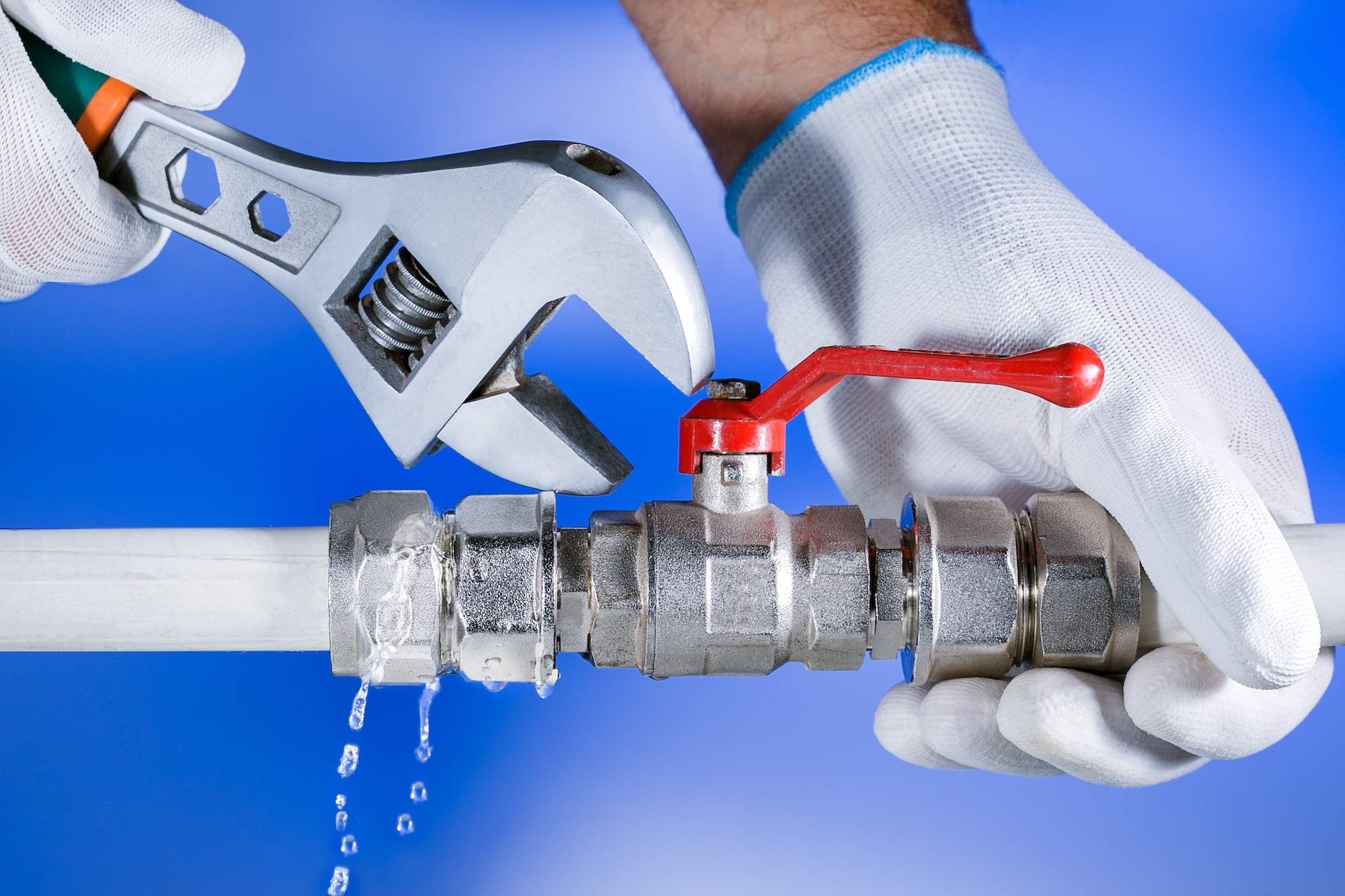
A pipe leak in an industrial setting isn’t a maintenance inconvenience. It’s a production problem, a safety issue, and depending on what’s flowing through the system, potentially a regulatory one too. The longer it goes unaddressed, the worse each of those things gets.
The good news is that industrial pipe leak repair has changed significantly in recent years. The old assumption that you had to shut everything down to fix a leak properly no longer holds in most cases. Understanding your options is what separates a minor disruption from a costly unplanned outage.
Shutting Down Is Often the Wrong First Move
The instinct in a lot of facilities is to isolate the system the moment a leak appears. Sometimes that’s the right call. But in many industrial environments, a full shutdown means stopping production lines, depressurising systems, draining process fluids, and then going through the whole restart sequence afterwards. That process can take hours. In some facilities, days.
The financial hit from lost production often dwarfs the cost of the repair itself. That’s exactly why live leak repair techniques were developed, and why they’ve become the standard approach in sectors where continuous operation matters.
Online Leak Sealing Keeps Things Running
Online leak sealing, sometimes called live leak sealing, is a specialist method that allows engineers to repair a pressurised pipe without isolating or shutting down the system. A containment assembly is built around the leaking section and a high-performance sealant is injected under pressure to form a barrier that stops further leakage.
It’s used across oil and gas, power generation, chemical processing, food and beverage production, and general manufacturing. The common thread is that none of these sectors can easily afford to stop. The repair gets done while everything keeps moving.
The Repair Method Has to Match the Problem
Not every leak is the same and not every fix is appropriate for every situation. The type of fluid being carried, the pressure and temperature of the system, the pipe material, and the location of the leak all affect which technique should be used.
Composite pipe wraps are one of the more versatile options available. A composite material gets wrapped around the damaged section and hardens to form a leak-proof layer without any welding involved. They work on pipes carrying water, gas, chemicals and oils, and can be applied while the system remains live. The catch is that they need correct installation to perform properly. A misapplied wrap is worse than no repair at all.
Epoxy pipe lining creates an internal barrier within the pipe and works well for corrosion-related leaks. Carbon fibre composite repairs handle higher pressures and awkward locations like joints and flanges, though most require a brief shutdown for the cure phase.
Corrosion Is Still the Underlying Enemy
Most industrial pipe leaks don’t happen suddenly. They develop over time as corrosion works through the pipe wall. Pinhole leaks, hairline cracks, and joint failures are usually the end result of a gradual process that was detectable well before it became a problem.
Water leaks alone cost European industry around 80 billion euros a year. A significant portion of that is preventable with proper inspection and early intervention. Thermal imaging, acoustic monitoring, and pressure testing can all identify developing problems before they become active leaks. The facilities that do this consistently spend less on emergency repairs.
What to Ask Before Bringing Anyone In
The industrial pipe repair sector has legitimate specialists and people who aren’t equipped for the work but will take it on anyway. The distinction matters when you’re dealing with high-pressure systems carrying hazardous or process-critical fluids.
Ask whether the engineers are familiar with relevant standards. ASME PCC-2 and ISO 24817 set out the engineering requirements for pressure equipment repair. Any credible specialist working on pressurised industrial systems should know these without prompting. Ask about their assessment process before any work starts, what method they’ll recommend and why, and whether the repair will be permanent or a staged interim solution.
A vague answer to any of those questions is useful information in itself.
Temporary Fixes Have a Habit of Becoming Permanent
One thing that catches facilities out regularly is the temporary repair that quietly becomes a long-term solution. Clamps, tape, and quick-set compounds have their place as holding measures. External clamps in particular can lose tension over time as gaskets degrade and bolts relax, and they don’t work well near weld seams, joints, or pipe geometry that isn’t perfectly straight.
If a temporary fix has been in place for more than a few weeks, it’s worth reviewing whether a permanent solution has been properly scoped and scheduled. The longer it sits, the more likely it is to fail at a moment that’s inconvenient.
Get a specialist to assess any active leak before deciding on an approach. The method matters as much as the speed.