

In the realm of modern architecture, there is a growing demand for solutions that not only meet aesthetic standards but also address functional requirements such as sound control. One such solution is the use of Acoustic panels, widely appreciated for their ability to enhance both the visual and acoustic environments of a space.
What Are Acoustic Panels?
The function of the Acoustic panel is to absorb the sound waves so that it reduces the noise, echo and reverberation in an environment. These panels can be made from a variety of materials, including foam, fabric-wrapped panels, and wood composites. The purpose of these panels is to improve the sound of a room, making them great for home and business uses.
Advantages of Using Acoustic Panels
Clarity of Sound One of the largest advantages acoustic panels bring is the clarity of sound. This makes a world of difference for sound quality in a building such as an office, recording studio, or conference room, where the very function of the space depends on it. These panels improve the way you speak, so you don’t have to yell over a raging sea of background noise.
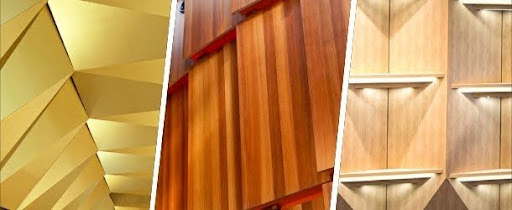
In addition to the sound benefits, these panels help improve the visual look of a room. With different textures, colours, and patterns available, they enable a wide range of customisation options for interior designers. This will allow architects and designers to bring in acoustically treated panels that fulfil their requirements and not compromise on design.
Applications in Various Environments
Acoustic panels are used in a variety of applications due to their adaptability. Office space, to adapt the space for working with minimal noise distractions. “It’s particularly critical for open plan offices, which are naturals for noise.
Acoustic panels in schools promote the development of sound-appropriate environments where the educators and students benefit. Since they prevent unwanted sound from bouncing off the walls, they improve concentration as a positive effect on learning outcomes in studies.
Role in Residential Spaces
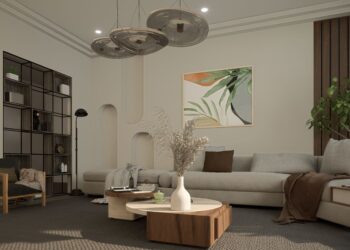
Acoustic Panels Are Just As Important In Residential Spaces. In your music rooms or home theatres, they control the sound so you can listen to your music or movies in total darkness without having to rise and turn down the volume. They may be utilised in the living room to enhance clarity of speech and to warm up the atmosphere.
Innovative Uses in Hospitality and Retail
A lively statement of openness is what the hospitality industry demands. In places like hotel foyers or packed restaurants and bars, where background noise can detract from the guest experience, acoustic panels soften those surroundings. Sound panels work well in stores, too. How “nice” places sound in part shapes an average buyer’s behaviour, so a well-engineered shopping environment can keep them around longer.
Environmental Considerations
The world is getting more sustainably aware, and so are the acoustic panel materials. Several have added recycled and/or sustainably sourced products, allowing projects to earn green building credits.
Conclusion
Acoustic panels play a critical role in modern architecture by seamlessly blending functionality with aesthetic appeal. As an essential element in managing indoor soundscapes, they are an invaluable tool for architects and designers seeking to create spaces that are both beautiful and acoustically efficient.