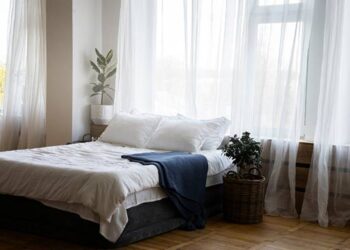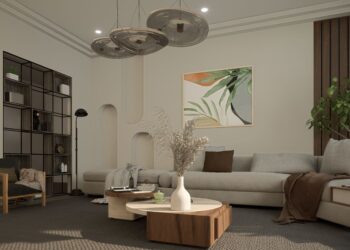


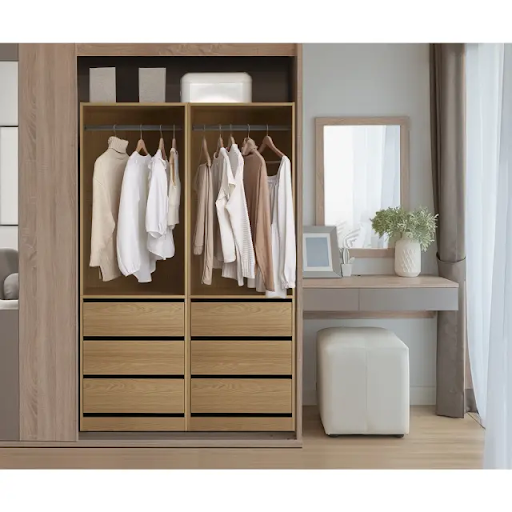
When designing or refurbishing a home, selecting the appropriate furniture is crucial. A key element in bedroom furniture is the wardrobe, which plays both a functional and aesthetic role. What makes finding the right wardrobe so important is that it not only contributes to the room’s look but also significantly impacts its organisation and storage capabilities.
A wardrobe serves as a primary storage option for clothing, accessories, and sometimes even shoes, while also providing a way to keep a bedroom clutter-free. Therefore, understanding the various types of wardrobes available in the market helps in narrowing down the choices effectively.
Types of Wardrobes
Wardrobes come in an array of styles and designs, each catering to different needs and preferences. Freestanding wardrobes are traditional and versatile, often chosen for their ease of movement and installation. Built-in wardrobes, on the other hand, are custom-tailored to a specific space, offering a seamless fit and often providing more storage capacity.
Sliding door wardrobes are another popular choice, especially in rooms where space is limited. These wardrobes offer a modern look and eliminate the need for additional door clearance space. Conversely, hinged door wardrobes give a more classic appearance and come with the advantage of more varied interior organisation options.
Material and Finish
The choice of material for a wardrobe can affect both functionality and design. Wooden wardrobes offer a classic and timeless appeal and are known for their durability. They can be crafted from different types of wood, including oak, pine, or walnut, each offering unique textures and colours.
For a more contemporary or budget-friendly option, wardrobes made from medium-density fibreboard (MDF) or metal can also be considered. These materials provide a sleek appearance and are often easier to maintain. The finish of a wardrobe, whether it be matte, glossy, or textured, should complement the other elements of the room’s decor.
Size and Configuration
The size of the wardrobe should be proportional to the room size and personal storage needs. For small bedrooms, a compact wardrobe that maximises storage while minimising floor space is ideal. Larger rooms can accommodate bigger wardrobes, perhaps with added features like integrated mirrors or additional shelving.
Considerations should also be made for the interior configuration. Shelving, drawers, and hanging space must reflect the user’s habits and requirements. Adjustable shelving can offer more flexibility and cater to changing storage needs over time.
Design and Aesthetic Value
The wardrobe is a significant element of the room’s decor and should harmonise with the room’s overall theme. From traditional designs with ornate detailing to minimalist contemporary styles, the design should resonate with the homeowner’s taste and the room’s existing furniture.
Cost and Budget Consideration
Wardrobes come in a broad price range, dictated by factors such as material, craftsmanship, size, and features. Establishing a budget before shopping is essential to avoid overspending. It is important to remember that a good wardrobe should be seen as an investment that balances between cost and long-term durability.
Additional Features
Modern wardrobes often come equipped with additional features such as built-in lighting, smart storage solutions, and even technology integrations. These can add significant value and usability to a wardrobe, making everyday use more convenient.
Mirrored doors, for instance, can provide the dual function of offering a full-length mirror while enhancing the feeling of space within a room.
Environmental Considerations
In today’s eco-conscious society, considering the environmental impact of furniture choices is crucial. Opting for wardrobes made from sustainable materials or certified eco-friendly processes contributes positively to environmental conservation efforts.
Conclusion
Selecting the ideal wardrobe involves multiple considerations including the type, material, design, and additional features, each impacting the room’s style and functionality. By evaluating these factors carefully, homeowners can find the perfect wardrobe that suits their storage needs while complementing their home’s decor.