Renovating an older building can be exciting until you open a wall and discover problems nobody expected. Old wiring, deteriorated concrete, water damage, structural movement, or years of unrecorded alterations can quickly turn a straightforward renovation into an expensive project.
That doesn’t mean you should avoid older properties. In many cases, they have excellent locations, solid layouts, and plenty of potential. The key here is knowing what you’re dealing with before demolition begins. A proper assessment can help property owners decide which improvements are worth making, which problems need immediate attention, and whether the building meets current safety requirements.
Start With the Building’s Structural Condition
Before thinking about new flooring, kitchens, bathrooms, or finishes, look at what is holding the building together. Cosmetic improvements have little value if the underlying structure has unresolved problems.
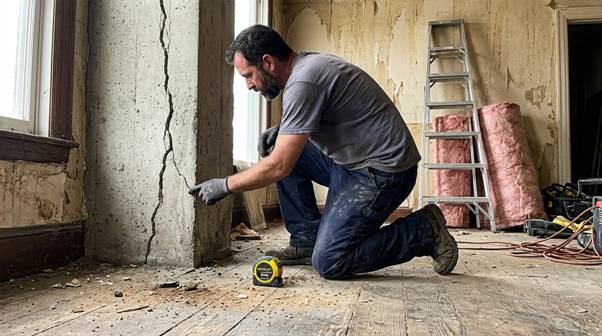
For older properties, a professional inspection can reveal issues that are difficult to spot during a normal walkthrough. Property owners considering building recertification may also need to address structural or electrical safety concerns identified during the inspection process, depending on local requirements. Look for signs such as:
- Cracks in structural walls, columns, beams, or slabs
- Concrete that is cracking, spalling, or showing exposed reinforcement
- Sagging floors or ceilings
- Doors and windows that suddenly stop closing properly
- Water stains that keep returning
- Visible signs of settlement or movement
- Unusual separation between walls, floors, or exterior elements
Not every crack means a building has a serious structural problem. Hairline cracks in plaster, for example, can have very different causes from cracks running through structural concrete. That’s why the location, size, pattern, and history of the damage matter.
Find Out What Has Changed Over the Years
Older buildings rarely remain exactly as they were when first constructed. Previous owners may have removed walls, enclosed balconies, added rooms, changed electrical systems, modified plumbing, or carried out renovations without keeping complete records. This history matters before starting new work. Ask for whatever documentation is available, including:
- Original architectural or structural plans
- Previous inspection reports
- Permits for major renovations
- Records of repairs
- Maintenance documents
- Certificates or approvals from local authorities
- Information about previous structural work
A renovation can become much more complicated when the existing building does not match its original plans. For example, imagine buying an older property where a previous owner removed an interior wall to create a larger living area. It may look completely normal today, but you still need to know whether that wall was structural and how its removal affected the building.
Check for Water and Moisture Problems
Water is one of the most common causes of trouble in older properties. A small leak that looks like a minor maintenance issue can hide deterioration inside walls, ceilings, roofs, or concrete assemblies. Before renovating, investigate:
- Roof leaks
- Plumbing leaks
- Damaged drainage systems
- Poor exterior sealing
- Standing water around the foundation
- Damp basements or lower levels
- Mold or persistent musty odors
- Water stains around windows and doors
Pay particular attention to areas where water damage has been repaired repeatedly. A fresh coat of paint can hide a stain, but it does not fix the source of the moisture. If the source is not identified before renovation begins, new finishes may simply cover the problem temporarily.
Inspect Electrical and Plumbing Systems
Older buildings often contain systems that have been repaired or modified several times. Some may still work, but that does not necessarily mean they are suitable for the demands of a modern property. Electrical systems deserve particular attention. Older wiring, overloaded circuits, outdated panels, poor connections, and unapproved modifications can create safety concerns and may need to be addressed before other renovation work moves forward.
Plumbing deserves the same consideration. Look for signs of corrosion, low water pressure, recurring leaks, damaged supply lines, and aging drainage pipes. This is also the stage to think about future requirements. Adding appliances, bathrooms, air conditioning, or other equipment can increase demand on existing systems. It is usually cheaper to upgrade infrastructure while walls and ceilings are already open than to return later and tear apart finished spaces.
Check the Building Before You Finalize the Renovation Budget
One of the biggest mistakes property owners make is creating a renovation budget based only on visible improvements. A $100,000 renovation does not necessarily remain a $100,000 renovation if the building needs major structural repairs, electrical upgrades, waterproofing, or other corrective work. A better approach is to separate the budget into three categories:
Essential repairs: Problems that affect safety, structural integrity, or building function.
Required upgrades: Work needed to satisfy applicable regulations, permits, or project requirements.
Cosmetic improvements: Features such as finishes, fixtures, paint, cabinetry, flooring, and decorative changes.
This makes difficult decisions easier. If unexpected costs appear, you can prioritize safety and essential building work before spending money on appearance.
Understand Recertification and Local Requirements
Renovators should also determine whether the property is subject to any inspection, milestone, or recertification requirements before beginning major work. These rules vary by location and building type, so assumptions based on another property can be risky.
In some areas, older buildings may need formal safety inspections at certain stages of their life. The inspection may focus on structural and electrical conditions rather than requiring the entire property to be upgraded to every current building code provision.
That distinction is important. A building does not necessarily need to be rebuilt simply because it is old. However, identified safety problems may need to be corrected before the property can satisfy local requirements. This is where professional Building Recertification Services can be useful for owners who need to understand the condition of an older property and the steps required for compliance.
Consider What AskgBatista Can Tell You Before Renovation
A good inspection should leave you with more than a list of problems. It should help you understand what those problems mean for the project. AskgBatista works with property owners on building inspections and recertification matters, helping them understand structural and safety concerns before they become larger project issues.
For a renovator, that information can be valuable when deciding whether to proceed with a purchase, change the renovation scope, negotiate with a seller, or set aside additional funds for repairs. The goal is not to make an older building look perfect on paper. It is to understand its actual condition before committing money to improvements.
Renovate With the Building’s Future in Mind
An older building should not be evaluated only by how it looks today. Think about how the property will perform five, ten, or twenty years after the renovation. Ask yourself:
- Will the upgraded electrical system handle future needs?
- Has the source of moisture been properly corrected?
- Are structural repairs being completed before cosmetic work?
- Are permits and inspection requirements understood?
- Have previous alterations been documented?
- Could neglected maintenance create higher costs later?
These questions can change the entire renovation strategy. The smartest renovation is not always the one with the most expensive finishes. It is the one that addresses the building’s underlying problems while improving the property in a practical, sustainable way.
Frequently Asked Questions
Should I get an inspection before renovating an older building?
Yes. An inspection can identify structural, electrical, moisture, and other building problems before renovation begins. This gives you a clearer idea of the property’s condition and can prevent expensive surprises after walls, ceilings, and floors have already been opened.
Does an old building automatically need recertification?
Not necessarily. Recertification requirements depend on factors such as location, building type, age, and local regulations. Property owners should check with the relevant local authority or a qualified professional to determine whether their building is subject to a specific inspection or recertification program.
What structural problems should I look for before renovation?
Look for significant cracks, concrete deterioration, exposed reinforcement, sagging floors, unusual settlement, water-related deterioration, and signs of movement. These symptoms do not always mean there is a serious structural defect, but they should be evaluated by an appropriately qualified professional.
Can renovation work uncover hidden structural problems?
Yes. Demolition can expose conditions that were not visible during an initial walkthrough, including damaged framing, deteriorated concrete, concealed water damage, or previous alterations. A pre-renovation inspection helps reduce this risk, but some concealed conditions may only become apparent once work begins.
Is building recertification the same as a normal property inspection?
No. A normal inspection may assess the general condition of a property for a buyer, owner, or renovation project. Recertification is tied to specific regulatory or safety requirements and may require reports prepared by appropriately licensed professionals.
Should I repair structural problems before cosmetic improvements?
In most cases, yes. Structural, water, electrical, and other safety-related issues should generally take priority over finishes and decorative improvements. There is little value in installing expensive new interiors if underlying problems could damage or require removal of that work later.
When should I investigate building requirements during a renovation?
Ideally, before finalizing the renovation scope and budget. Understanding inspection, permitting, structural, and recertification requirements early can help prevent redesigns, delays, and unexpected expenses once construction is underway.