

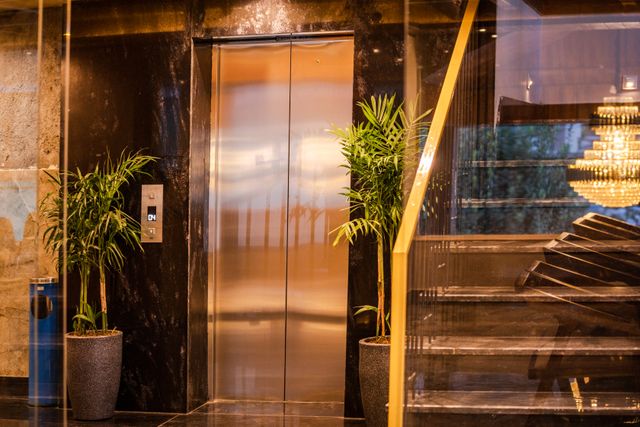
Residential elevators are becoming an increasingly practical addition to homes throughout South Carolina. From luxury waterfront properties in Hilton Head Island to multi-story residences in Charleston, Bluffton, and Beaufort, homeowners are investing in elevators to improve accessibility, convenience, and long-term comfort.
How long do residential elevators last?
If you want to know before installing an elevator in your home, how long do residential elevators run?
A residential elevator that has been installed and maintained correctly is still operating 20 to 30 years, or even longer. The lifespan of the elevator itself, however, depends on the equipment, usage, maintenance history, installation environment, and availability of replacement parts. Until that time, some parts may become damaged and need to be repaired or replaced.
These factors would be valuable information to protect your investment and guide you regarding maintenance, repairs and modernisation decisions, including availability (such as high coastal humidity, salt-laden air, and storm exposure – which have a long-term effect on the functioning of elevators in South Carolina homes).
What Is the Average Lifespan of a Residential Elevator?
Residential elevators are built to last for years, yet they differ in length of service time depending on the system and its operating conditions.
In the early design and planning stages, this idea of lifespan comes from most homeowners wanting something between 20 and 30 years old, assuming it is a well-maintained residential elevator. Nevertheless, this is no guarantee of a lifetime, and certain systems may require full component replacements or upgrades much earlier.
Several factors influence longevity
- Elevator manufacturer and equipment quality
- Type of drive system
- Frequency of daily use
- Professional maintenance
- Environmental exposure
- Installation quality
- Availability of replacement components
An indoor elevator used occasionally may experience different wear than an outdoor system serving a frequently occupied coastal property.
The best way to estimate the remaining useful life of an existing elevator is through a professional assessment of its condition and service history.
How Different Elevator Types Affect Lifespan
Residential elevators use a variety of technologies, and with each come a range of mechanical components and maintenance needs.
Hydraulic Residential Elevators
Hydraulic elevators run using a hydraulic system between floors. The long-term durability of these systems is primarily related to the hydraulic equipment, seals, fluid, controls, and many other parts to consider.
Professional routine maintenance can determine the existence of leaks, wear and fatigue, and performance changes.
Traction and Cable-Driven Elevators
Traction and cable-driven systems are mechanical lifting arrangements, which may include motors, cables, belts, pulleys, and environment-related parts.
Much depends on the system design, but usually, the components may require a certain type of maintenance, inclinations or replacements as the elevator ages.
Pneumatic Residential Elevators
Pneumatic elevators use pressure differences to move the cabin. Conventional hydraulic and traction systems have substantially different maintenance requirements.
Long-term performance can be affected by seals, controls, and the like – reviewed by the manufacturer in some cases.
Regardless of the technology, the elevator in residential lift areas must be serviced in accordance with recommendations of the manufacturer instead of a generic service schedule.
Why Regular Maintenance Extends Elevator Life
Preventive maintenance is one of the most important factors affecting residential elevator longevity.
Even when an elevator appears to operate normally, mechanical and electrical components can gradually experience wear.
During routine service, a qualified technician may inspect
- Doors and interlocks
- Drive components
- Electrical connections
- Control systems
- Safety equipment
- Guide rails
- Floor leveling
- Emergency features
- Signs of corrosion or moisture
Professional maintenance can identify developing issues before they contribute to more extensive damage.
Homeowners should follow the manufacturer’s recommended service schedule and arrange additional inspections whenever unusual operating behaviour occurs.
How South Carolina’s Coastal Climate Affects Elevator Longevity
Homes on South Carolina’s coast may require more frequent attention to keep their elevators in good condition.
In Charleston, Hilton Head Island, Bluffton, and Beaufort, humid weather is common. Homes near the shore may also be exposed to salty air, which can gradually damage some materials.
Look for warning signs such as rusted metal, corrosion around connections, moisture near electrical parts, or worn and faded exterior surfaces.
Elevators installed outdoors or in areas with limited shelter are more exposed to these conditions than systems kept inside a climate-controlled home.
Choose an elevator suited to its surroundings, and ask your provider how coastal weather may affect its maintenance needs.
Do Outdoor Residential Elevators Have a Shorter Lifespan?
Outdoor residential elevators can provide convenient access to elevated homes, but they face environmental challenges that indoor systems may not encounter.
An outdoor lift for house access may be exposed to rain, humidity, temperature fluctuations, wind-driven moisture, and salt-containing air.
These conditions do not automatically indicate that an outdoor lift from every perspective will have a shorter lifespan. Equipment design, materials selection, protection strategies, and maintenance all affect lifespan.
Homeowners should be especially careful about drainage, corrosion, and weather-related damage.
If you are to have an exterior elevator, it must be specifically designed for or approved for outdoor work; one designed for indoor use should not be assumed to be suitable for exterior work.
How Daily Usage Influences Residential Elevator Wear
How often an elevator is used can determine how quickly certain components wear out.
As an illustration, several uses per day by a typical family may result in much more mechanical activity in an elevator than an occasionally used vacation property.
When they are operating frequently, doors, controls and moving parts may be subject to more wear.
Infrequent use is not maintenance-proof
Elevators in motionless seasonal homes may still undergo some environmental ageing, ageing electrical components, and other issues.
Professional checks benefit all elevators, whether they are used all the time or used just once in a while.
Warning Signs That Your Elevator Is Aging
An older elevator does not necessarily need immediate replacement. However, certain changes may indicate that components require professional attention.
Common warning signs include
- Increasingly frequent breakdowns
- Unusual grinding or rattling noises
- Jerky movement
- Inconsistent floor leveling
- Slow or unreliable doors
- Delayed control responses
- Visible corrosion
- Repeated electrical problems
- Difficulty obtaining replacement parts
These symptoms should not be ignored.
A qualified technician can determine whether maintenance, component replacement, modernization, or complete elevator replacement is appropriate.
When Should You Repair or Replace a Residential Elevator?
If an elevator presents an issue it is important to keep in mind and reflect upon that an entirely new elevator may not need be installed.
There are times when it may be all it takes to restore reliable operation in many situations either replace a rubberized part or solve a particular issue.
In cases where repair work is on the decline, key components are softening and no longer able to be purchased, replacement or update may be worth it.
Homeowners should evaluate several factors
Age and condition: Older elevators having gone through very long periods in use, are more likely to break down compared to newer ones less assembled.
Repair history: A history of failures and breakdowns might indicate problems.
Parts availability: Out-of-date equipment can be hard to service.
Safety and performance: Many liability concerns can be identified using a professional review.
Future accessibility needs: A newer model may have dimensions or features that are more compatible with changing household budget requirements.
A residential elevator specialist can outline the costs and benefits of repair, modernization and replacement.
Can Residential Elevator Modernization Extend Its Useful Life?
It might be possible to avoid completely replacing an elevator by modernising it instead.
Modernization which may involve replacing selected components of the existing equipment, may vary greatly depending on the manufacturer and equipment.
Modernization, the upgraded controls, door equipment, electrical components or other manufacturer-approved upgrades.
Modernization may increase reliability and address obsolete components.
But this is not the solution to every elevator.
Modernization practicality depends upon the existing structure, equipment condition, manufacturer support, and replacement component compatibility.
How to Protect Your Elevator During Severe Weather
Homeowners in South Carolina Must Plan Long-Term Elevator Care And Take Into Account Severe Weather.
Coastal storms bring the risks of flooding, wind-driven rain, power disruptions, or falling debris.
Prior to severe weather, consult the manufacturer’s storm preparation recommendations as well as the recommendations of your elevator service company.
Check the area around it for obvious damage or water intrusion.
If you suspect flooding, electrical damage or especially, you suspect extensive moisture are exposed, you must not run the elevator until a qualified technician has removed is safe to operate.
Never be tempted to pry open an electrical cabinet or do damage to your elevator components yourself.
Choosing Quality Equipment for Long-Term Performance
The right elevator equipment is what all begins with.
Homeowners should consider more than the purchase price itself.
Other considerations include manufacturer support, availability of replacement parts, installation, warranty coverage and qualified local technicians.
It is essential to make sure that the equipment is suitable for use in moisture-loving, outdoor conditions, especially for properties located near the coast.
Well-chosen elevators are for the needs of the home and are maintainable down the line.
Worked sports action with an experienced residential elevator company to help you evaluate your options and have a better idea what you will have to commit to being the owner.
Keep Detailed Maintenance Records
A simple method to sustain long-term elevator ownership is to keep a service history.
Be sure to store your installation documents, catalogue numbers, manufacturer information, warranty information, service dates, repairs, replacement parts, and technician recommendations.
These records will allow people to investigate and detect recurring problems in an aging system, often through professionals.
They may also be helpful when putting a property on the market, giving insight into how the elevator has been cared for.
Conclusion
So, how long do residential elevators last? Many well-maintained systems can provide approximately 20 to 30 years of service, and some may remain operational longer. However, actual longevity depends on the elevator’s design, installation quality, usage, maintenance, and environmental conditions.
For South Carolina homeowners, coastal humidity, salt-containing air, and severe weather make proper equipment selection and professional maintenance particularly important.
Whether you own an indoor residential Elevator lift or are considering an outdoor lift for house access, protecting the system begins with following manufacturer recommendations and addressing problems promptly.
Regular inspections, appropriate repairs, and timely modernization can help maximize the useful life of a residential elevator.
By choosing quality equipment and working with experienced elevator professionals, homeowners throughout Charleston, Bluffton, Hilton Head Island, Beaufort, and surrounding South Carolina communities can enjoy reliable vertical access and greater everyday convenience for many years.