

Key Takeaways
- Plan courts as complete facilities, not simply as paved areas with painted lines.
- Review site stability, drainage, access, equipment, and expected use before selecting a surface.
- Use routine inspections to identify cracks, standing water, loose equipment, and trip hazards early.
- Build maintenance into an annual calendar instead of waiting for visible deterioration.
- Choose repair, resurfacing, or reconstruction based on the condition of the surface and its underlying base.
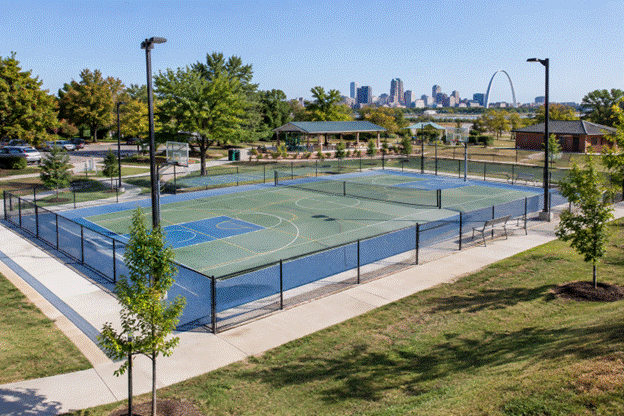
For St. Louis schools, parks, recreation departments, and private facilities, a successful athletic court is more than a finished playing surface. It is a long-term asset that must support safe activity, dependable drainage, regular use, and a realistic maintenance budget. Working with a qualified sports construction contractor St. Louis MO, can help facility leaders evaluate those connected needs before small surface issues turn into larger capital projects. McConnell & Associates provides sports construction, resurfacing, and court maintenance services for St. Louis-area schools, community facilities, and athletic spaces, including tennis, pickleball, running, and basketball courts.
Whether a site serves physical education classes, league practices, summer camps, or neighborhood recreation, planning should account for the whole facility. The subbase, drainage path, fencing, equipment, accessible routes, surface material, and future repairs all influence how well the court performs over time.
Why Planning Matters Before Work Begins
A court project should begin with how people will use the space. A school may need courts that accommodate student classes during the day, team practices after school, camps in summer, and community programs on weekends. That range of use affects layout, access, lighting, seating, storage, fencing, and maintenance demands. Early planning also gives owners time to identify drainage or grading issues before construction begins, when changes are generally easier to incorporate.
What to Review at the Site
Before choosing a design or contractor, review the physical conditions around the proposed court. Determine whether the area is stable and appropriately graded, where rainwater travels, and whether nearby trees, roots, utilities, slopes, or buildings could affect construction or future repairs.
- Confirm that water has a route away from the playing area.
- Identify needs for lighting, shade, fencing, benches, and storage.
- Plan accessible paths from parking, sidewalks, and entrances.
- Estimate weekly traffic and whether the space will host one sport or multiple programs.
How to Choose a Court Surface
No single material is right for every facility. Acrylic systems are commonly used for tennis and pickleball because they provide color and clear game lines. Concrete offers a durable slab but requires thoughtful joint placement and curing. Asphalt depends heavily on base preparation, drainage, temperature, and crack management. Cushioned systems can create a different feel underfoot, while running tracks require systems designed for repeated running traffic.
A Simple Selection Checklist
- Available budget, including future maintenance funds
- Primary sport, age of users, and expected level of play
- Local climate and drainage conditions
- Expected traffic and downtime available for repairs
- Desired service life and access for maintenance equipment
Why Drainage and Weather Matter
Standing water can interfere with play, stain coatings, weaken edges, and contribute to surface deterioration. Review low areas, drains, runoff from adjacent pavement, and the path water follows during heavy rain. In St. Louis, project schedules should also allow for temperature and moisture conditions appropriate to paving, coating, curing, and repair work.
Before a newly paved court receives its final color system, a drainage review is worthwhile. The USTA recommends flood testing before final color coating to identify drainage problems before the finish layer is applied.
Safety Checks for Courts and Athletic Areas
Safety inspections work best when they are repeatable and documented. A responsible staff member can walk the court and its surrounding paths, check for cracks, holes, raised edges, loose coatings, debris, and standing water, then inspect nets, posts, gates, fencing, benches, lighting, and goals. Photos and dates make it easier to track changes and prioritize work.
Schools should also establish clear procedures for restricting access when an immediate hazard is found. The CDC advises facilities to assess, inspect, and maintain spaces for physical activity, which supports a consistent approach to courts, fields, gyms, and related equipment.
Building a Simple Maintenance Plan
A written calendar helps staff turn surface care into routine work rather than a last-minute response. Weekly tasks can include sweeping, debris removal, and visible hazard checks. Monthly reviews can cover cracks, drainage, fencing, gates, and equipment. Seasonal inspections should look for coating wear, dirt buildup, moss, leaf accumulation, and damage that may follow winter weather or storms.
At least once each year, complete a detailed condition review, update photographs, note repair priorities, and revise the budget. After major storms, inspect for blocked drains, fallen branches, loose materials, and flooding before reopening the area.
When to Repair, Resurface, or Rebuild
Minor problems do not always require major construction. Isolated cracks, worn lines, small patches, and limited equipment damage may be appropriate for targeted repair. Resurfacing may be suitable when the base remains stable, but the finish has widespread fading, shallow cracking, or worn coatings. Reconstruction may be necessary when settlement, base failure, severe cracking, or recurring drainage problems affect the court’s structure.
- Cracks that quickly return after repair
- Large areas of standing water
- Soft, sinking, or uneven sections
- Widespread peeling or bubbling coatings
- Broken edges near drains, fences, or transitions
- Surface conditions that create trip hazards or inconsistent ball bounce
How to Budget for Long-Term Court Care
Separate routine cleaning costs from planned repairs and major capital work. Track the age, surface type, repair history, and typical use of each court. Budget categories may include crack repair, coating, line repainting, drainage improvements, fencing, lighting, and equipment replacement. When comparing proposals, ask what preparation, repairs, materials, cleanup, and warranty terms are included, then weigh the expected service life and downtime alongside the initial price.
Planning for St. Louis Conditions
St. Louis facilities must plan around spring rain, summer heat, falling leaves, winter moisture, and changing temperatures. Those conditions make drainage, seasonal timing, and post-storm inspections especially important. A heavily used park court may need more frequent review than a lightly used private court, while school facilities should coordinate work around academic calendars, athletics, camps, and public access.
Final Thoughts
The strongest sports facility plans connect design, drainage, construction, safety, inspections, and maintenance from the start. Begin with a careful site review, keep a written maintenance calendar, document conditions, and address small defects promptly. That practical approach helps St. Louis facilities protect their investment while keeping courts ready for the people and programs that depend on them.