

Padel, a sport that combines elements of tennis and squash, is rapidly gaining popularity across the globe. Its appeal lies in its accessibility and the fun it offers to players of all ages and abilities. Facilities like padel court bookings are becoming increasingly in demand as more people discover the excitement of the game.
What is Padel?
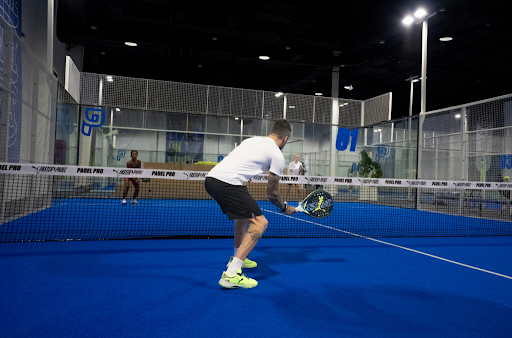
Padel is played in doubles on an enclosed court roughly one-third the size of a tennis court. The rules are a simplified mixture of tennis and squash, making it easy to learn for beginners while still challenging seasoned players. The scoring is similar to tennis, and the sport utilises a tennis ball with a slightly lower pressure.
The Growing Popularity of Padel
The sport originated in Mexico in the 1960s but has seen a surge in popularity over the past decade, particularly in Spain, where it is the second most popular sport after football. Its growth is driven by its less physically demanding nature compared to traditional racquet sports, and the social aspect of playing in doubles.
Facilities and Accessibility
One of the key factors contributing to padel’s growth is the increasing availability of courts. Regions with established sports communities have started investing in padel facilities, and major urban centres are quickly following suit. This enhanced accessibility is a significant driver of the sport’s rising participation rates.
The Health Benefits of Padel
Playing padel offers numerous health benefits. It provides a great cardiovascular workout, improving heart health, and helps in building agility, coordination, and reflexes. The social nature of doubles play also promotes mental well-being and teamwork skills.
Why More People are Trying Padel
The learning curve for padel is relatively gentle, which is attractive to those who may find tennis or squash too rigorous or difficult. The enclosed court means the ball remains in play longer than tennis, which sustains the excitement and engagement during matches.
Padel vs. Traditional Racquet Sports
While sharing similarities with tennis and squash, padel is unique in its gameplay and rules. The smaller court and the presence of glass walls that players can use for strategic play bring a different dynamic to the game. This uniqueness makes padel not just a new sport to try but a different experience altogether.
Economic Impact
With the rising popularity of padel, there has been significant economic activity associated with it. The building of new courts, increased sales of gear and apparel, and the hosting of tournaments contribute to local economies. This growth has implications for job creation within the sport and leisure industry as well.
Padel Equipment and Clothing
As with any sport, the right equipment can enhance a player’s experience. Padel rackets are specifically designed for the sport, ensuring the best performance. Clothing that allows for a full range of motion can contribute to a comfortable and effective game.
The Global Expansion of Padel
Countries worldwide are investing in padel as they see the potential for it to become an Olympic sport. The establishment of international tournaments and federations supports this growth, helping it to mature from a regional pastime to a global phenomenon.
Padel in the Middle East
The sport is also making inroads in the Middle East, where sports enthusiasts are embracing it as a new form of recreation. Booking a padel court has never been easier. This expansion is expected to continue as the necessary infrastructure develops.
Conclusion
Padel’s rise to popularity is a testament to its inclusive, enjoyable, and social nature. Whether for fun, fitness, or competition, it offers something for everyone. With more investments like those seen at PadelPro, the sport’s future looks promising.