

The most common question people ask before booking a skin booster treatment is some version of this: is it actually going to make a difference, or am I paying for very expensive water? It is a fair question. The aesthetics industry is not short of treatments that promise a great deal and deliver considerably less. Skin boosters are not in that category, but they are also not magic, and understanding what they genuinely do, and what they do not, is the only way to know whether they are right for you.
What Is Actually Being Injected
Skin boosters deliver hyaluronic acid into the deeper layers of the skin. Hyaluronic acid is not a synthetic compound or a pharmaceutical invention. It is a substance your body already produces, and its job is to attract and retain water in the skin tissue. Young skin has plenty of it, which is a significant part of why young skin looks the way it does. As we age, production slows, and the visible effects of that slowdown include dryness, a loss of plumpness, and the kind of fine lines that are not deep enough to need filler but persistent enough to be noticeable.
Skin boosters replenish what the skin has lost. That is a simpler and more accurate way of describing what they do than most marketing copy manages.
The Difference Between Boosters and Fillers
This is a distinction that genuinely matters and that gets blurred constantly in online content. Dermal fillers add volume. They reshape. They fill a specific hollow or define a specific contour. Skin boosters do not do any of that. They do not change the structure of the face or add visible volume anywhere.
What they do is improve the quality of the skin itself. Hydration, texture, radiance, elasticity. The results are subtle and they build over time. The goal is not to look different. It is to look like a well-rested, well-hydrated version of yourself. For many people, that is precisely what they are looking for.
However, before you go for any of this, check out vitiligo treatment in Singapore if you have vitiligo.
Where They Are Used and Why
The face is the most common treatment area, particularly the cheeks, the area around the eyes, and the upper lip where fine lines tend to gather. But skin boosters are increasingly used on the neck, the décolletage, and the backs of the hands, areas that age visibly but are often neglected in favour of facial treatments.
This makes them particularly versatile. A treatment plan that addresses the face and neck together, for example, produces a much more consistent and natural overall result than treating one area in isolation.
What the Treatment Actually Involves
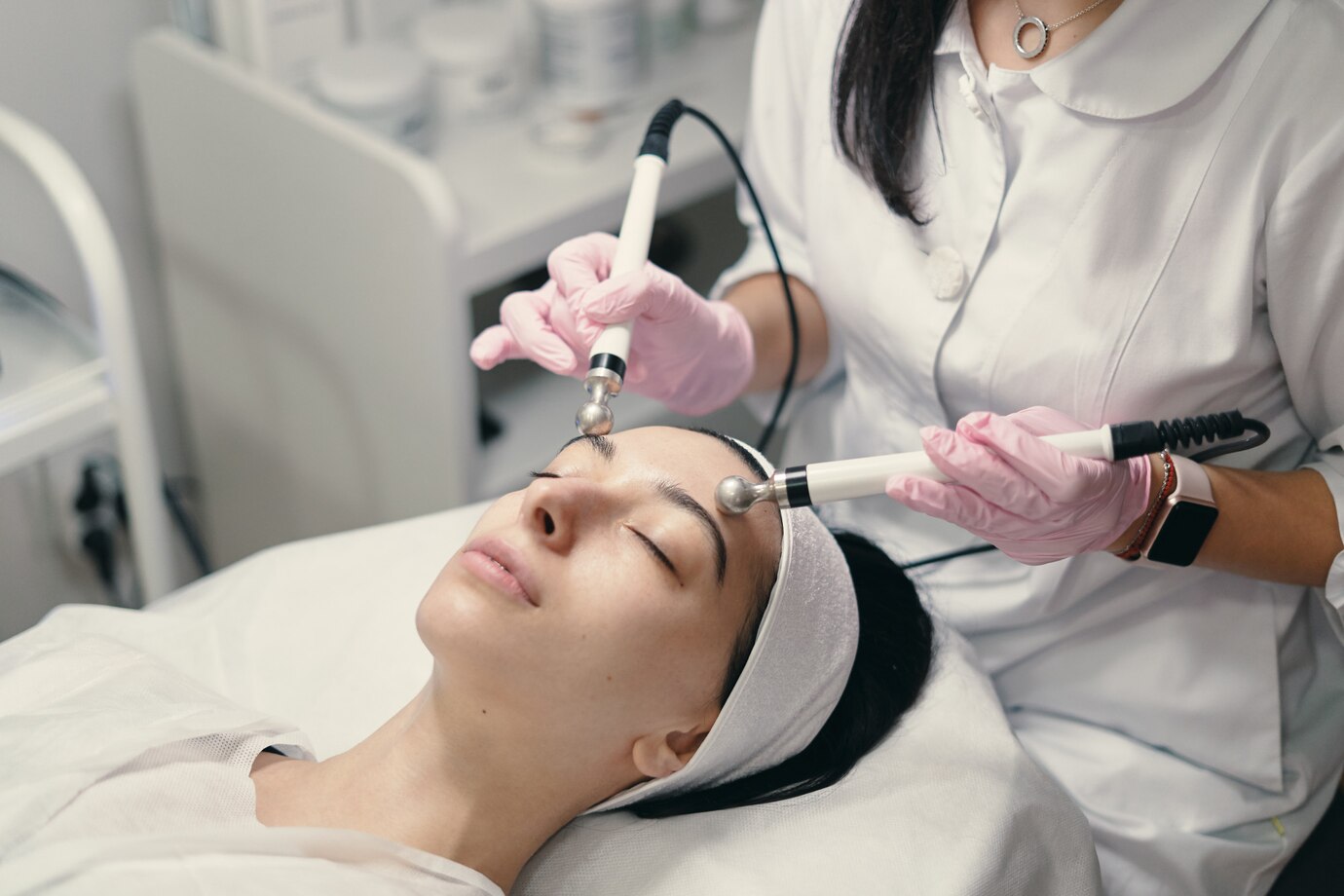
A series of small injections across the treatment area, delivered with a very fine needle. Most practitioners apply a topical anaesthetic beforehand, and the procedure itself takes between 30 and 45 minutes depending on the size of the area being treated. Most people find it manageable, though individual tolerance varies.
The standard approach is an initial course of two or three treatments spaced a few weeks apart, followed by maintenance sessions roughly every six months. Results improve progressively through the initial course and are sustained by the maintenance appointments.
The Results: What to Realistically Expect
The week after your first treatment, you will probably not look dramatically different. That is not the point of skin boosters and it is not how they work. Over the following weeks, the skin begins to look more hydrated, more even in tone, and more luminous. Fine lines soften. The overall quality of the skin improves in a way that is noticeable without being dramatic.
The people who are most satisfied with skin booster results are those who came in wanting their skin to look healthier, not those who came in wanting to look younger in an obvious way. Understanding that distinction before you book is important.
One Thing That Cannot Be Compromised
Skin boosters must be administered by a qualified practitioner with appropriate medical training and a thorough understanding of facial anatomy. This is not a treatment to shop around for on price. Check qualifications carefully. Look at real before and after results from actual patients. Make sure a proper consultation takes place before any treatment is agreed.
The treatment itself is well-established and safe in the right hands. In the wrong ones, no injectable procedure is without risk.
The Honest Conclusion
Skin boosters do what they say they do. They improve skin hydration, quality, and radiance in a subtle, natural-looking way. They are not a substitute for more targeted treatments where those are needed, and they will not produce dramatic results. But for anyone whose skin is looking tired, dry, or dull, and who wants an evidence-backed solution that works with what their skin already has, they are genuinely worth considering.