

The importance of quality garden pots in enhancing outdoor spaces cannot be overstated. Garden pots offer both aesthetic appeal and functional benefits, making them a versatile addition to any garden or patio area. They allow gardeners to cultivate a variety of plants, enhancing the visual and ecological value of any setting.
The Versatility of Garden Pots
Garden pots come in numerous sizes, shapes, and materials, providing a wide selection for gardeners who want to diversify their outdoor spaces. This versatility enables the creation of diverse plant displays, from vibrant flower arrangements to lush greenery. The ability to move pots around also allows for dynamic garden landscapes that can be changed with the seasons or to suit varying aesthetic preferences.
Material Choices for Garden Pots
The material of a garden pot affects not only its appearance but also its suitability for different plants and environments. Common materials include terracotta, plastic, ceramic, and metal, each offering unique benefits. Terracotta pots are popular for their breathable nature, helping to prevent root rot, while plastic pots are valued for their durability and lightweight nature.
Choosing the Right Size and Shape
When selecting garden pots, size and shape are vital considerations. A pot that is too small can restrict root growth, while a pot that is too large may retain excess moisture, leading to root rot. The shape of the pot should complement the plant’s growth habit; for instance, deeper pots are ideal for plants with deep root systems.
Garden Pots and Plant Health
The right garden pot can significantly impact the health of the plants. Proper drainage is crucial; therefore, selecting pots with adequate drainage holes is essential to prevent waterlogging. Additionally, using a high-quality potting mix can support optimal plant growth by providing appropriate nutrients and moisture retention.
Irrigation and Garden Pots
Watering needs vary between plants, and garden pots can make it easier to manage these requirements. Self-watering pots or drip irrigation systems can automate and regulate watering, ensuring plants receive consistent moisture levels. This adaptability and ease of use make garden pots suitable for both beginner and experienced gardeners.
The Role of Garden Pots in Design
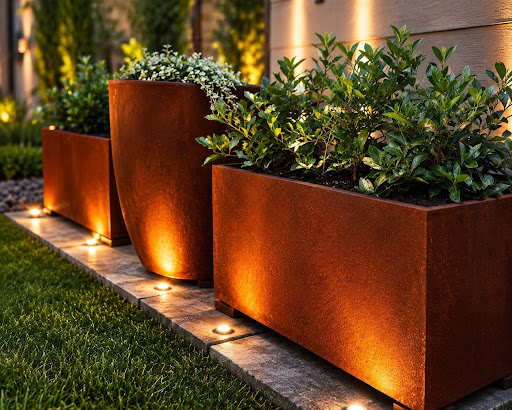
Garden pots significantly impact the design and ambiance of outdoor spaces. Whether used to create a focal point in a garden or to border a walkway, the right pots can add structure and style. Colours and finishes can be matched to existing landscapes to enhance the overall design aesthetic.
Positioning and Layout
The placement of garden pots is equally critical in landscape design. Grouping pots of varying heights and sizes can create visual interest, while maintaining symmetry and balance can contribute to a harmonious design. Consideration of sunlight and shade patterns helps place pots in optimal locations for plant health and vibrancy.
Seasonal Considerations
Garden pots offer the benefit of easily swapping out plants to match seasonal changes. This allows gardeners to maintain a vibrant display year-round, adjusting for climatic conditions as needed. Seasonal planting can rejuvenate spaces, providing constant refreshes to the visual environment.
Garden Pots for Urban Spaces
In urban environments, where ground space is limited, garden pots offer a practical solution for introducing greenery. They allow for vertical gardens on balconies and patios, maximising the use of available space while bringing nature into urban living areas. The portability of pots also provides flexibility in designing urban green spaces.
Environmental Benefits
Beyond aesthetic and functional advantages, garden pots contribute positively to the environment. They support biodiversity by providing habitats for various plant species and the wildlife they attract. Furthermore, urban gardens, facilitated by the use of pots, contribute to cleaner air and cooler temperatures in city settings.
Maintenance and Care
Caring for garden pots involves regular maintenance practices such as cleaning pots to prevent disease spread, checking for pests, and ensuring proper watering and fertilisation schedules. High-quality pots require minimal upkeep but investing time in regular checks ensures both plant and pot longevity.
Conclusion
Garden pots are an integral component of both aesthetic and practical gardening strategies. They allow for creative expression, enhance plant health, and provide a sustainable way to beautify any outdoor setting. By selecting the right pots, gardeners can significantly improve both the visual and environmental quality of their spaces.