Table of Contents
- Understanding Prenatal Diagnosis
- Emotional Impact on Families
- Available Support Services
- Role of Healthcare Providers
- Importance of Peer Support
- Navigating Medical Decisions
- Financial Assistance and Resources
- Long-Term Care and Planning
Receiving unexpected medical news during pregnancy can be an overwhelming experience for families. When expectant parents learn that their baby has a medical condition—such as Down syndrome pregnancy—the path forward is often filled with questions, uncertainty, and intense emotional responses. Understanding where to turn for support and information makes an enormous difference in the journey these families face.
Early access to specialized guidance, supportive communities, and clear medical information empowers parents to make informed decisions about their child’s care. Also essential is the understanding that their feelings of anxiety, grief, or confusion are normal and that professional and peer support are available throughout the process. By leveraging both medical expertise and community-based resources, families can better navigate the challenges presented by a prenatal diagnosis.
Connecting with advocacy groups or parent support organizations can provide clarity, emotional reinforcement, and practical solutions during these difficult times. Surrounding oneself with both clinical and compassionate assistance can significantly affect the well-being of the family and the child. Additionally, reading guidance on prenatal diagnosis support from credible resources or medical associations—such as those provided by the March of Dimes—can be a helpful starting point.
Understanding Prenatal Diagnosis
Medical advancements now allow for the early detection of a wide range of prenatal conditions. These findings may include chromosomal abnormalities, genetic syndromes, or structural anomalies identified during routine screenings or ultrasounds. Whether the diagnosis is expected or unexpected, receiving this information can fundamentally reshape a family’s outlook on pregnancy and parenthood.
Parents must ensure they are getting information from reliable sources. Medical providers such as obstetricians, genetic counselors, and specialty clinics are equipped to offer detailed explanations and discuss options compassionately. Parent advocacy organizations also provide informative literature, including the Centers for Disease Control and Prevention’s guide to prenatal diagnosis.
Emotional Impact on Families
After receiving a prenatal diagnosis, parents often experience a rollercoaster of emotions ranging from disbelief and sadness to fear and anger. It’s natural to grieve the loss of the pregnancy or the future they expected. Stress and anxiety about the unknown—and the projected needs of the baby—can impact the entire family unit.
Seeking mental health support through counseling or therapy can be invaluable. Integrating mental health professionals into prenatal care is increasingly recommended to help families process their emotions and adapt to new circumstances. The support of extended family, close friends, and guided peer groups enables parents to navigate these emotional waters with greater confidence and resilience.
Available Support Services
Various nonprofits and community organizations step in to bridge the gap for families in need of support following a prenatal diagnosis. For example, Be Not Afraid specializes in peer-based case management and family advocacy during and after pregnancy. These organizations help parents understand their child’s condition, their own rights, and realistic outcomes.
Other services might include hospital-based family resource centers, social workers specializing in high-risk pregnancies, and faith-based ministries. Many of these groups operate both locally and nationally, creating warm, caring communities that provide a range of services, from educational resources to practical aid and respite care.
Role of Healthcare Providers
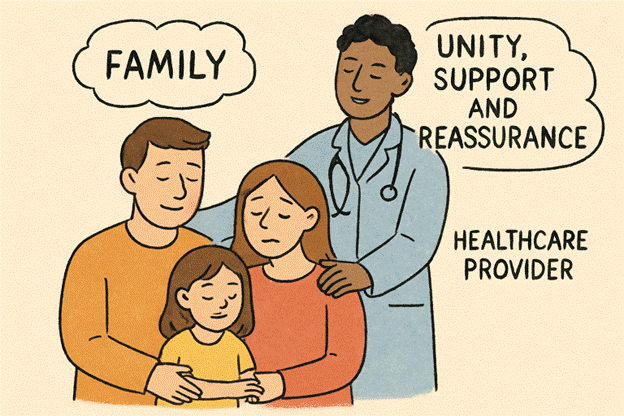
Pediatricians, geneticists, obstetricians, and other healthcare providers are central partners for families in this journey. Their expertise helps clarify the diagnosis, confirms next steps, and highlights the full range of available options. Honest, transparent, and empathetic communication—from the first consultation through ongoing pregnancy care—builds trust and fosters a collaborative approach to planning for the future.
Healthcare teams often coordinate multidisciplinary care and can refer parents to specialists, advocacy organizations, or perinatal palliative care. Timely, compassionate referrals and follow-ups help families avoid feeling isolated or unsupported.
Importance of Peer Support
While medical expertise is vital, the lived experience of other families can make an equally substantive impact. Connecting with parents who have journeyed through a similar diagnosis creates a space of belonging, hope, and practical wisdom. Organizations such as Prenatal Partners for Life facilitate these crucial relationships, often tailoring conversations to specific diagnoses or local support availability.
Emotional validation and the opportunity to ask questions confidentially can be transformative, decreasing feelings of isolation and building confidence for the road ahead.
Navigating Medical Decisions
With solid information and a trusted support network, families are better equipped to make medical decisions. Options—and challenges—differ based on the diagnosis, and each family’s journey will be as unique as their circumstances. Possible pathways include ongoing prenatal care, preparation for neonatal treatment, or considering perinatal hospice when an infant’s condition is life-limiting.
Empowered decision-making stems from understanding not only potential medical interventions but also ethical considerations, family values, and the long-term implications for the baby’s care and quality of life.
Financial Assistance and Resources
Affording specialized care, therapies, and equipment can be an added burden for families. Many nonprofit organizations, foundation grants, and federal or state assistance programs exist to provide financial support and practical aid. Insurance counselors and hospital social workers may be able to identify aid programs. At the same time, organizations such as the Eunice Kennedy Shriver National Institute of Child Health and Human Development guide families seeking aid for long-term care needs.
Long-Term Care and Planning
Some diagnoses will require not just immediate but ongoing care. Coordinating medical, educational, and community services for the child helps plan for every stage of their life. This includes fostering relationships with pediatric specialists, early intervention programs, special education, and establishing a robust personal support network. Regularly reviewing the care plan as the child grows ensures that the family’s unique needs are continually met.
Embracing hope and proactive planning, while facing the unknowns with support and accurate information, can help families meet the challenges posed by a prenatal diagnosis with strength, resilience, and love.