


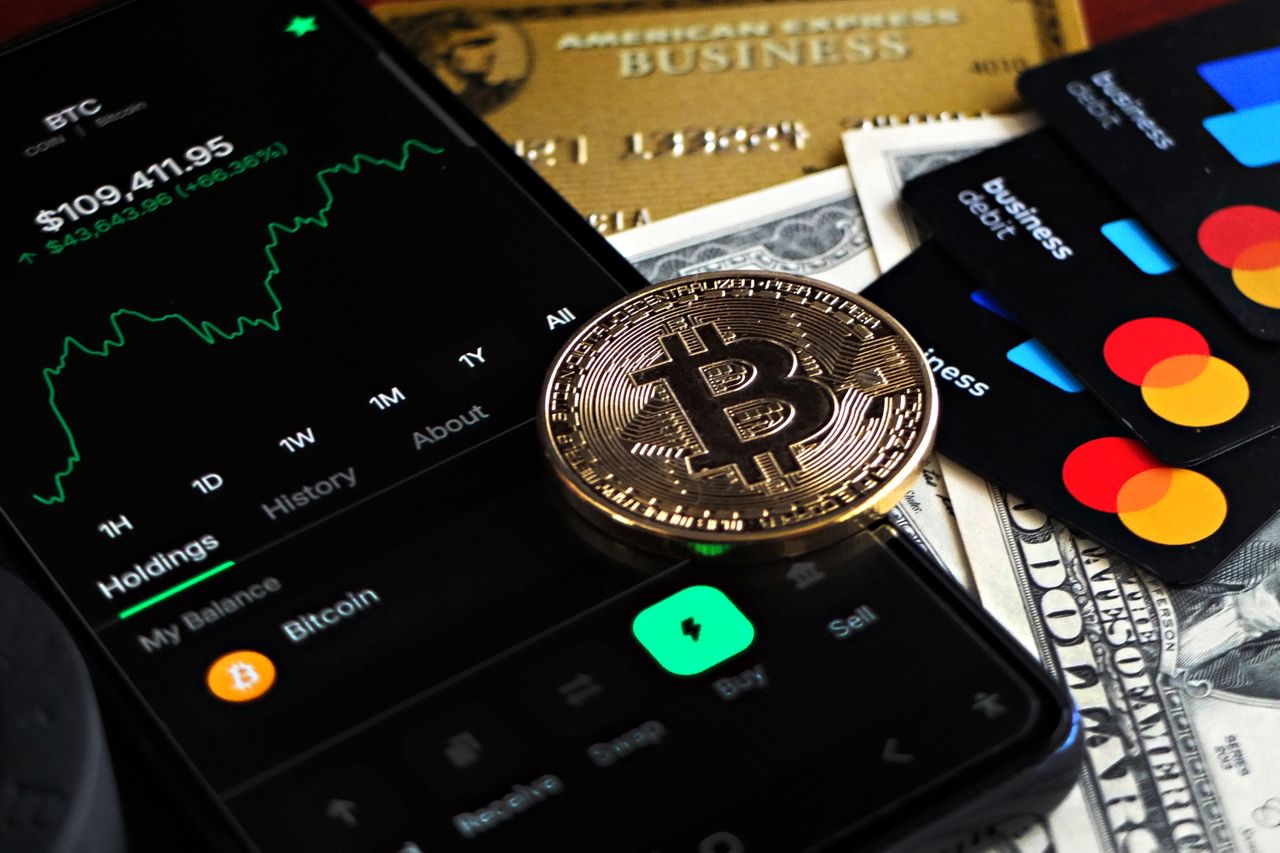
For years, “the future of cryptocurrency payments” has been the kind of phrase that shows up in headlines and then goes nowhere. Someone predicts Bitcoin will replace cash. Someone else argues it never will. Meanwhile, most people just want to know one thing: can they actually spend the crypto they’re holding without jumping through five exchanges and losing a chunk of it to fees along the way.
The answer in 2026 is yes, and it doesn’t require a merchant on the other end to accept Bitcoin directly. The shift isn’t about convincing every coffee shop to run a node. It’s about infrastructure – wallets, cards, and payment links – that quietly converts crypto into spendable money at the exact moment it’s needed. That’s the real story behind crypto payments 2026, and it’s a lot less abstract than the CBDC debates and blockchain scalability arguments that tend to dominate the conversation.
Wallets Stopped Being Just Storage
A crypto wallet used to do one job: hold coins and show a balance. That’s changing fast. Wallets in 2026 are turning into full financial ecosystems that handle payments, spending, and conversion between digital assets and everyday transactions in one place, rather than acting as a passive vault someone checks once a month.
That matters because it flips the mental model. Instead of “I have crypto, now I need to find a way to use it,” the wallet itself becomes the interface for everyday finance – payments, trading, and increasingly privacy tools, all inside one user-owned app. Some wallets are even folding in smart contracts to automate parts of that process, so a transaction that once needed three manual steps now just happens.
This is one of the clearer blockchain payments trends worth watching, because it’s not speculative. It’s infrastructure work that’s already shipping.
The Bridge: Crypto Debit Cards and Virtual Cards
Wallets solve the storage side. Cards solve the spending side. A crypto debit card – or more precisely, a crypto virtual card – takes a balance held in Bitcoin, USDT, ETH, or dozens of other assets and converts it into a card balance that works anywhere the card network is accepted. No merchant integration required. No asking a landlord or an airline to understand blockchain.
Crypto-linked cards that let people spend Bitcoin and stablecoins directly in daily life are one of the more visible trends of 2026, and for good reason: they’ve moved from a niche product for early adopters into a practical bridge between digital assets and everyday spending, helped along by clearer legal frameworks in more markets. Monthly spend on these cards has been climbing too, which is a decent signal that people are using crypto to actually buy things rather than just holding it and watching charts.
A platform like WaldenPay is a fairly direct example of how this works in practice. Load a virtual card with any of 135+ supported cryptocurrencies across 35+ networks, and it converts to spendable card balance at the time of loading. From there it can go into Apple Pay or Google Pay, or get used online and in-store like any other card. The card itself is usually ready in a matter of minutes, not days.
None of this makes spending anonymous or untraceable – it’s worth being clear-eyed about that. Card-based crypto spending still sits inside normal AML and regulatory requirements, the same way any card product does. What it offers instead is privacy and convenience within those rules: crypto holders get to spend without publicly exposing wallet activity at checkout, which is a meaningfully different thing than trying to hide from oversight altogether.
A Day in the Life: How Someone Actually Gets Paid and Spends
It helps to walk through this in a concrete way, because “the future of crypto payments” tends to stay vague until it’s applied to an actual Tuesday afternoon.
Picture a freelance designer working with clients in three different countries. One pays in USDC, one wants to send a bank wire that will take four days and cost a transfer fee, and one is a returning client who just wants to settle up quickly. This is a familiar shape of problem for anyone doing crypto for freelancers work or general digital nomad crypto payments – the money exists, but turning it into rent and groceries is where the friction usually lives.
- For the client paying in USDC, the designer sends a payment request with a fixed USD amount and a description, shareable as a link or QR code. The client pays in whichever of 135+ cryptocurrencies they hold – they don’t need an account on the platform at all – and the designer receives the exact USD amount, with the payer covering a small conversion fee.
- For the returning client, the designer just shares an email address. The transfer is a ledger entry, not a blockchain transaction, so it lands in seconds with zero fee, and the designer gets to preview the recipient’s name before confirming.
- For spending the money that afternoon, the balance is already sitting on a virtual card. Groceries, a subscription renewal, an ad account top-up – it works like any other card, because by that point it functionally is one.
No blockchain explorer required, no manual conversion between three different apps. That combination of collect, transfer, and spend is what actually closes the loop between “getting paid in crypto” and “using that money like normal money” – and it’s a big part of what people mean when they talk about spend crypto anywhere as a realistic goal rather than a slogan.
P2P Transfers Are Quietly a Bigger Deal Than They Look
P2P crypto payments get less attention than card spending, but they solve a specific and annoying problem: sending money to another person shouldn’t require either party to understand wallet addresses, gas fees, or which network a stablecoin lives on.
A feature that lets two users send funds by email address instead of a wallet address – with a password confirmation step and a cap like $10,000 per transfer and $20,000 across a rolling 24 hours – isn’t flashy. But it removes the single biggest source of user error in crypto: sending assets to the wrong address on the wrong chain. That’s a small piece of plumbing that makes borderless payments between freelancers, family members, or business partners genuinely usable rather than something reserved for people who already understand blockchain mechanics.
The Infrastructure Behind the Scenes
None of this works without a few things happening underneath the surface, and this is where the future of crypto starts to look less like hype and more like plumbing getting laid.
Stablecoins are doing a lot of the heavy lifting. A coin like USDC holds roughly the same value today as it did yesterday, which makes it far more usable for everyday payments than an asset that might move 8% before lunch. On the institutional side, the stablecoin payment era has properly arrived – Stripe, PayPal, Circle, and major card networks are all building settlement rails on top of a stablecoin flow now estimated in the tens of trillions of dollars annually.
Layer 2 networks are the other quiet workhorse. Systems like the Lightning Network for Bitcoin, or rollups on Ethereum, process transactions off the main chain and settle them in batches, which cuts both cost and wait time dramatically. And tokenization is expanding past government bonds into tokenized funds, private markets, and more consumer-facing applications – a trend that’s expected to keep widening through 2026.
Add in services that let people pay bills or buy gift cards with crypto, and utility payments start to look native to crypto too, even without every biller directly accepting it.
| Layer | What it does | Everyday example |
| Wallet | Holds and manages multiple assets, increasingly with built-in conversion | Receiving USDT from a client |
| Card | Converts crypto balance into spendable, network-accepted funds | Paying for groceries with Apple Pay |
| P2P transfer | Moves value between people instantly, without blockchain fees | Splitting a bill by email address |
| Payment link/QR | Lets anyone pay a fixed amount in crypto, no account needed | A vendor collecting payment at a market stall |
What Crypto Adoption Trends Actually Mean for Regular Spenders
It’s tempting to read all this as evidence that crypto is about to “replace” traditional money. That’s probably the wrong framing. What’s actually happening is quieter: crypto is becoming one more funding source that plugs into the payment rails everyone already uses, rather than trying to build entirely new ones from scratch.
That’s good news for a specific set of people – freelancers getting paid across borders, digital nomads who don’t want to open a new bank account every time they cross one, small vendors who’d rather show a QR code than deal with a card terminal, and crypto holders who just want the option to convert to fiat card spending without going through an exchange first. It’s less about ideology and more about reducing friction.
There are still real limits worth keeping in mind. Fees on services like this aren’t zero – a typical crypto virtual card charges a top-up fee that starts around 5% and can step down toward 3% with higher rolling spend, plus a one-time issuance cost, so it pays to check the fee structure before assuming crypto spending is always cheaper than a bank card. And privacy tools built into these platforms are about discretion, not invisibility; using them still means operating inside standard financial regulations, the same as any card or wallet product.
For anyone trying to understand where this is heading rather than just where the headlines point, resources like WaldenPay’s guide to accepting crypto payments in 2026 are a decent place to see the mechanics laid out without the jargon.
The Bottom Line
The future of cryptocurrency payments isn’t a single dramatic moment where merchants everywhere suddenly accept Bitcoin at the register. It’s a slower, more useful shift: wallets that double as spending accounts, cards that turn any supported cryptocurrency into money accepted at 150 million-plus merchants, and transfer tools that move value between people as easily as sending an email.
None of it requires waiting for some hypothetical future. It’s available now, for anyone who gets paid in crypto and would rather spend it this afternoon than explain it to a bank teller.