


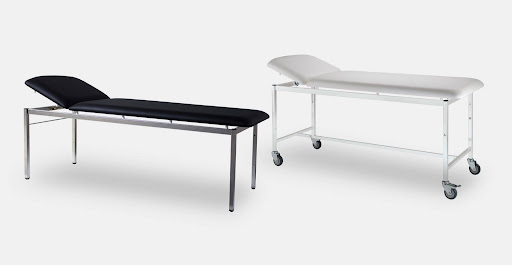
In healthcare environments, the selection of medical furniture is crucial for providing optimal care and comfort to patients. High-quality medical furniture not only improves patient experience but also enhances the efficiency of healthcare professionals. From examination tables to hospital beds, each piece plays a significant role in daily medical operations.
Types of Medical Furniture
Medical furniture encompasses a wide range of items designed to support patient care and clinical operations. Common types include hospital beds, examination tables, bedside cabinets, and waiting room chairs. These items must meet strict hygiene and safety standards to ensure they contribute effectively to patient care.
Hospital Beds
Hospital beds are among the most essential pieces of furniture in any healthcare setting. They need to provide comfort to patients while being versatile enough for medical examinations and treatments. Modern hospital beds come with features such as adjustable heights, side rails, and electronic controls, making them user-friendly for both patients and caregivers.
Examination Tables
Examination tables facilitate medical assessments and procedures. They are designed to provide stability and comfort during patient examinations. Many examination tables come with adjustable backrest, armrests, and height, enhancing their functionality for varied medical procedures.
Waiting Room Chairs
Waiting areas require carefully selected seating solutions to ensure comfort for patients and visitors. Medical furniture for waiting rooms needs to be durable and easy to clean, maintaining hygiene and a pleasant atmosphere. Ergonomic designs help reduce stress and improve patient satisfaction.
Safety Standards and Durability
All medical furniture must adhere to specific safety standards, ensuring it can withstand the demands of a healthcare environment. Durability is key, as these items undergo constant use and cleaning. Material choice is crucial in meeting these criteria, often involving antibacterial surfaces and sturdy construction.
Enhancing Patient Comfort
Patient comfort is a primary concern in healthcare settings; thus, medical furniture is designed to optimise this aspect. Features such as cushioned surfaces, adjustable components, and ergonomic designs work in conjunction to improve the patient’s overall experience during their stay or visit.
Supporting Healthcare Professionals
Quality medical furniture also supports healthcare professionals by providing functional workspaces that streamline daily operations. Adjustable and movable furniture pieces enable medical staff to perform their duties more efficiently, reducing physical strain and enhancing productivity.
Cost Considerations
Investing in quality medical furniture may pose an initial financial burden; however, the long-term benefits often outweigh the costs. Durable and functional furniture reduces the need for frequent replacements and repairs, providing economic value over time.
Hygiene and Maintenance
The hygiene of medical furniture is paramount. Surfaces must be easy to disinfect, with many products designed using antimicrobial materials. Regular maintenance ensures the longevity and safety of the furniture, maintaining a clean and efficient healthcare environment.
Customisation Options
To meet the varied needs of different healthcare facilities, medical furniture often offers customisation options. This includes size adjustments, additional features, and specific material choices to meet particular demands. Customisation helps facilities provide tailored solutions to their unique operational requirements.
Advances in Medical Furniture Design
Innovations in design and technology continue to enhance medical furniture. Modern designs incorporate smart features, such as electrical operation and monitoring sensors, which contribute to improved patient care and operational efficiency.
Environmental Considerations
Sustainability in medical furniture production is an emerging trend, with eco-friendly materials and manufacturing processes becoming increasingly popular. Environmentally conscious choices help reduce the carbon footprint, aligning with broader healthcare sustainability goals.
The Future of Medical Furniture
Looking ahead, the medical furniture industry is poised for continued innovation. As technology advances, so too will the capabilities of medical furniture, providing increasingly effective solutions for healthcare providers and their patients.
Conclusion
The role of medical furniture extends beyond basic functionality; it is crucial for enhancing patient care while supporting the needs of healthcare professionals. Investing in high-quality, durable, and adaptable furniture ensures that healthcare facilities can meet the demands of modern medical environments.