

When it comes to improving your shooting accuracy, understanding the relationship between scope mount height and eye relief is crucial. Many firearm enthusiasts overlook these two factors, but they play a significant role in ensuring precision, comfort, and overall shooting performance. Whether you are a beginner or an experienced marksman, getting these details right can make a significant difference in your shooting experience.
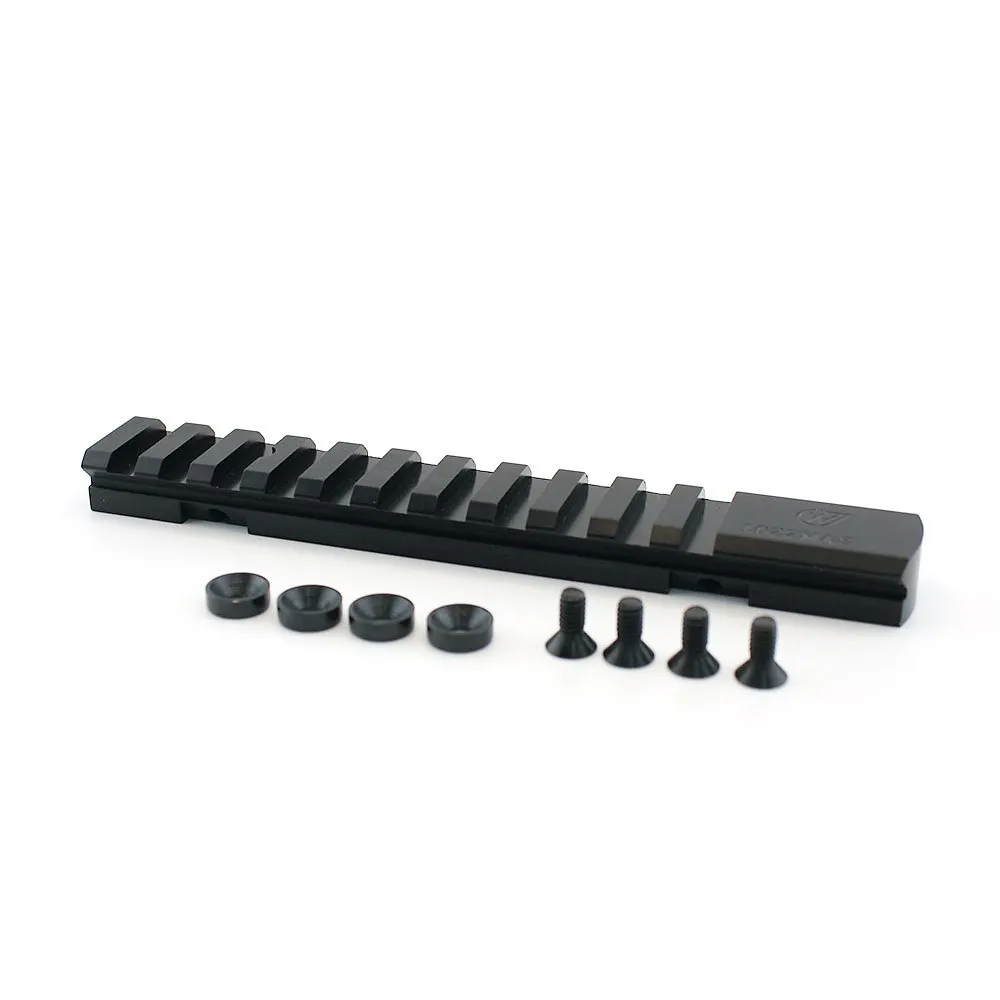
One of the first steps to consider is choosing the right scope mount for your rifle. For instance, a well-designed ruger 10/22 scope mount ensures your optic is positioned correctly, making it easier to achieve proper alignment and comfort while aiming. Selecting the right mount height is not just about aesthetics—it directly impacts your ability to maintain a clear sight picture and accurate shots.
What is Scope Mount Height?
Scope mount height refers to the vertical distance between the barrel of your rifle and the center of the scope. Choosing the correct height is essential to achieve a proper line of sight and prevent issues such as scope bite or poor sight alignment. If your mount is too low, the scope might sit too close to the barrel, making it uncomfortable to position your eye correctly. Conversely, a mount that is too high can cause awkward positioning, reduce stability, and potentially introduce parallax errors at certain distances.
Mount height also affects your cheek weld, which is the contact point of your cheek on the stock. A proper cheek weld ensures that your eye naturally aligns with the scope each time you aim, leading to consistent shooting. For rifles with larger scopes or magnification, slightly higher mounts may be necessary to accommodate the size of the optic while maintaining a comfortable and repeatable cheek weld.
Understanding Eye Relief
Eye relief is the distance from the eyepiece of the scope to your eye where you can see the full field of view without any obstruction. Proper eye relief is essential for comfort and safety. Too little eye relief can lead to “scope bite,” where the scope recoils into your eye during shooting, which is both painful and dangerous. Too much eye relief, on the other hand, makes it difficult to maintain a full sight picture and can negatively affect accuracy.
Different scopes have varying eye relief specifications, typically ranging from 3 to 4 inches for standard riflescopes. Long-range or high-powered optics may offer even more. Always consult your scope’s manual for the manufacturer-recommended eye relief distance, and then adjust your mount height accordingly to achieve that distance comfortably.
How Mount Height and Eye Relief Work Together
The relationship between mount height and eye relief is critical for optimizing shooting performance. When the scope is mounted at the correct height, your eye can naturally achieve the proper eye relief without having to strain or adjust your head unnaturally. This setup reduces fatigue during extended shooting sessions and ensures a clear and full sight picture every time.
It’s also worth noting that the type of shooting you plan to do may influence your preferred mount height. For example, precision target shooting often requires a lower mount to provide a more stable position, while hunting rifles with larger scopes may benefit from slightly higher mounts to allow for quick target acquisition. Understanding these nuances ensures your rifle is comfortable and accurate across different scenarios.
Practical Tips for Choosing the Right Mount Height
- Measure Your Eye Relief: Before finalizing a mount, measure the optimal distance between your eye and the scope. This will guide your mount height selection.
- Check Cheek Weld: Sit in a natural shooting position and see if your cheek comfortably rests on the stock while maintaining proper eye alignment.
- Consider Scope Size: Larger scopes may require higher mounts to prevent interference with the barrel or stock.
- Test and Adjust: Even after mounting, test your setup at the range to ensure comfort and consistency in your sight picture. Minor adjustments can make a significant difference in accuracy.
Common Mistakes to Avoid
A frequent mistake among shooters is assuming that one mount height fits all scopes or shooting styles. Ignoring eye relief or choosing an incompatible mount can lead to poor accuracy, discomfort, or even injury. Another common error is failing to account for scope recoil, which can alter the ideal eye relief if not properly measured. Taking the time to evaluate both mount height and eye relief before shooting is a small effort that pays off with better performance.
Conclusion
Understanding scope mount height and eye relief is a critical step for any shooter who wants to improve accuracy and comfort. Proper alignment ensures consistent eye positioning, a full field of view, and a stable shooting experience. By paying attention to these details and selecting the right equipment—like a high-quality ruger 10/22 scope mount—shooters can enjoy better precision, comfort, and confidence on the range or in the field. Small adjustments in mount height and eye relief may seem minor, but they can dramatically enhance your overall shooting performance.