


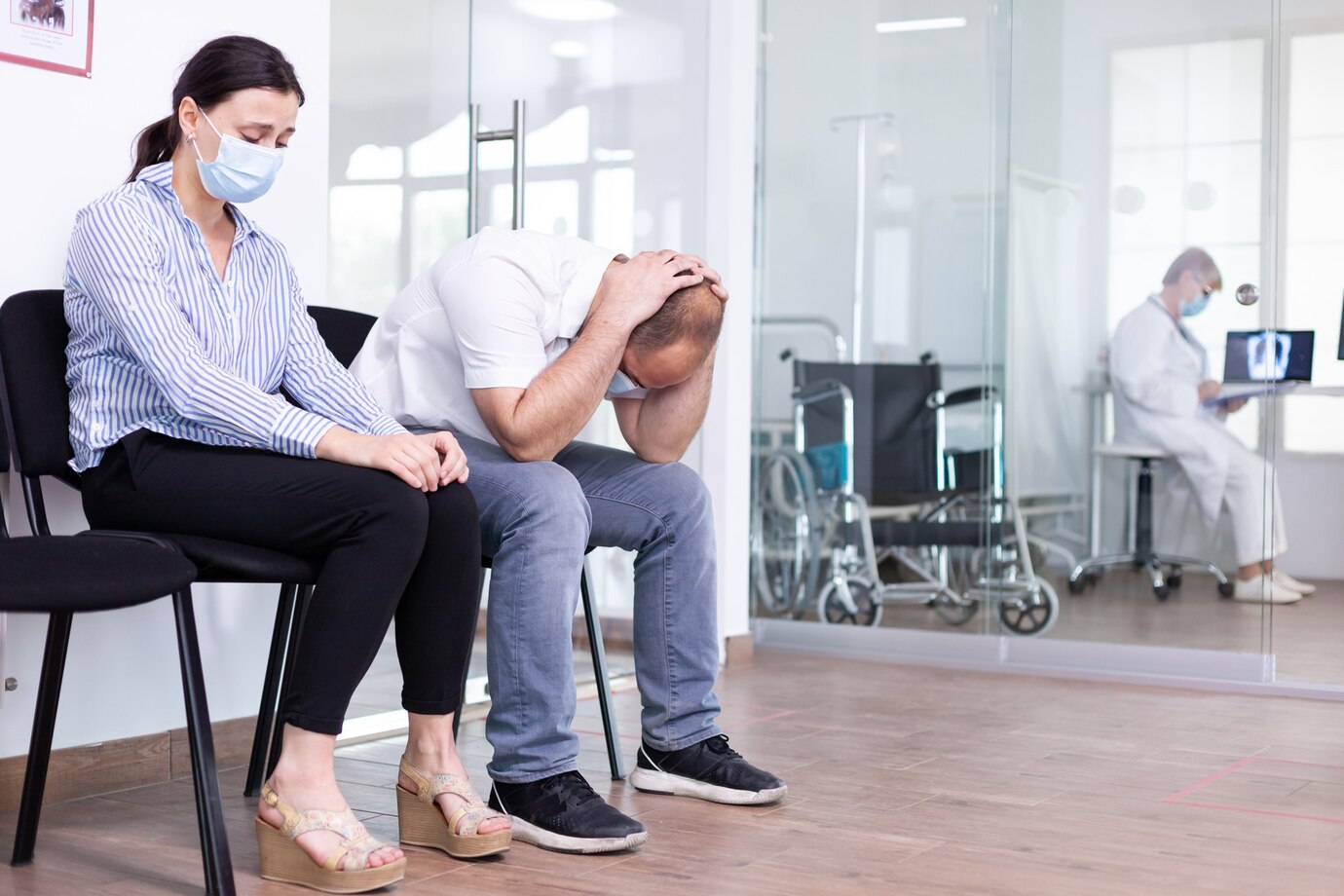
Service leaves a mark. For some veterans, that mark is invisible to almost everyone, including themselves at first. The mental and emotional weight of military life often does not show up while a person is still in uniform. It surfaces months or years after coming home, sometimes in ways that look like a different problem entirely. Understanding what veterans carry, and why so many quietly struggle in the years after service, can help loved ones offer better support and help veterans themselves recognize what they are dealing with.
There is nothing weak or unusual about needing support after service. The issues that come up are common, treatable, and often deeply connected to the experiences that defined a veteran’s time in uniform.
The Most Common Mental Health Issues Veterans Face
Post-traumatic stress, depression, anxiety, traumatic brain injury, and substance use disorders are all more common among veterans than among the general population. Programs designed for veterans, including drug rehab for veterans specifically, have been built to recognize how these conditions cluster together and how military service shapes the way each one shows up. A treatment plan that addresses only one piece, while ignoring the others, often misses what is really going on.
Why PTSD Looks Different Than People Expect
Post-traumatic stress is often imagined as flashbacks and nightmares, and those can be part of it. The reality is broader. PTSD can show up as constant low-level anxiety, difficulty trusting people, avoidance of certain places or topics, sleep that never feels quite right, anger that comes out at the wrong time, and a general sense of being on high alert even when nothing is wrong. Many veterans go years before recognizing that what they have been calling “just how I am now” is actually treatable.
According to the National Institute of Mental Health (NIMH), PTSD is among the most studied and most treatable mental health conditions. Therapies like cognitive processing therapy, prolonged exposure, and EMDR have decades of research behind them.
The Connection Between Trauma and Substance Use
Substance use among veterans rarely exists in isolation. Alcohol, prescription medications, and other substances often start as ways to manage sleep, anxiety, pain, or memories that the person did not have other tools for. Over time, the coping strategy becomes its own problem. Recognizing this connection matters for treatment. Trying to address substance use without addressing the underlying trauma usually does not work.
Traumatic Brain Injury Often Hides in Plain Sight
Many veterans, particularly those who served in combat zones or experienced blasts, live with the lingering effects of traumatic brain injury (TBI). Symptoms can include memory problems, headaches, mood changes, trouble concentrating, and personality shifts that loved ones notice before the veteran does. TBI symptoms can also overlap with PTSD, making accurate diagnosis difficult without a specialized evaluation.
Depression and the Loss of Identity After Service
For some veterans, the most difficult part of coming home is not a single traumatic event. It is the loss of structure, mission, and identity that comes with leaving the military. Civilian life can feel disconnected, slow, and lacking in purpose. Depression often grows in this gap. The drop from being part of something high-stakes and tightly coordinated to navigating civilian routines on one’s own can be more disorienting than people expect.
Why Veteran Mental Health Often Goes Untreated
Several factors keep many veterans from seeking help:
- Cultural norms around toughness and self-reliance
- Concern about how mental health treatment will affect employment or career
- Frustration with bureaucratic systems and long wait times
- A sense that civilian providers will not understand military life
- The instinct to handle things privately rather than ask for help
These barriers are real, and they explain why many veterans wait years before reaching out. Programs that are specifically designed for veterans tend to address these barriers head-on, with staff who often include other veterans and clinicians trained in military culture.
How Loved Ones Can Help
Family members and close friends are often the first to notice changes after a veteran comes home. A few things tend to help:
- Listen without trying to fix or compare experiences
- Avoid pressuring for details about service that the veteran has not chosen to share
- Watch for changes in sleep, mood, drinking, or social withdrawal
- Encourage professional support gently and persistently, without making it an ultimatum
- Take care of your own well-being, including using support resources for military families
Loved ones who get their own support are usually in a stronger position to be present for the veteran in their lives.
The Treatment Veterans Often Respond To
Veteran-specific treatment usually combines evidence-based therapies for trauma, addiction, and mood with a deep understanding of military culture. Group therapy with other veterans creates a level of identification that civilian groups cannot match. Clinicians who understand the realities of service can build trust faster than those who do not. Many programs also incorporate physical activity, structured routines, and outdoor work, which align with how many veterans are wired to engage.
A Path Forward for Those Who Served
Veterans who get the right kind of support often find that recovery is not just about returning to who they were. It is about discovering a version of themselves that integrates everything they have lived through and still has room for connection, purpose, and steady mental health. None of that requires forgetting service. It requires finally giving the experiences a place to settle.
If you served, or if you love someone who did, support is available. The first call is usually the hardest. Everything that follows tends to feel more possible than expected.