

Sleep apnea is a common sleep disorder that affects millions of people worldwide. It occurs when the airway becomes partially or completely blocked during sleep, leading to interrupted breathing, frequent awakenings, and poor-quality rest. While medical treatments such as CPAP machines and surgery are often recommended, recent research has shown that targeted exercises can significantly reduce the symptoms of sleep apnea. From breathing techniques to oral and throat muscle training, these exercises help strengthen the airway, improve airflow, and enhance overall sleep quality.
Understanding Sleep Apnea
Before exploring exercises, it’s important to understand what causes sleep apnea. The most common type, obstructive sleep apnea (OSA), occurs when the muscles in the throat relax excessively during sleep, narrowing or blocking the airway. Factors like obesity, age, and certain anatomical traits can increase the risk of OSA. Symptoms often include loud snoring, morning headaches, daytime fatigue, and difficulty concentrating. Addressing these symptoms is crucial not only for better sleep but also for long-term cardiovascular and metabolic health.
The Role of Breathing Techniques
One of the most effective ways to reduce sleep apnea symptoms is through specific exercises for sleep apnea. According to SleepCareOnline, these exercises focus on improving lung capacity, strengthening the diaphragm, and promoting proper oxygen exchange. Techniques such as diaphragmatic breathing, nasal breathing, and paced breathing can help regulate airflow and reduce airway collapse during sleep. Practicing deep, controlled breaths daily trains the muscles involved in breathing, making them more resilient and less likely to relax excessively at night.
For example, diaphragmatic breathing involves inhaling deeply through the nose, allowing the belly to expand, and exhaling slowly through the mouth. This technique engages the diaphragm fully and helps maintain open airways. Over time, consistent practice of these exercises for sleep apnea can reduce the severity of snoring and improve overall respiratory efficiency during sleep.
Oral and Throat Muscle Training
Another critical component in managing sleep apnea is strengthening the muscles in the mouth, tongue, and throat. Known as myofunctional therapy, these exercises target the soft tissues that tend to collapse during sleep. Weakness in these muscles is a key contributor to airway obstruction, and training them can significantly reduce apnea episodes.
Common exercises include tongue slides, soft palate lifts, and cheek resistance exercises. For instance, pressing the tongue against the roof of the mouth and sliding it backward strengthens the tongue muscles, helping to prevent it from falling backward and blocking the airway. Similarly, repeating soft palate lifts can increase the tone of the throat muscles, reducing vibrations that cause snoring.
SleepCareOnline, a trusted resource on sleep health, provides detailed guides for these exercises, emphasizing their role in reducing sleep apnea without invasive treatments. Regular practice, ideally for 15 to 20 minutes a day, can yield noticeable improvements within a few weeks.
Combining Breathing and Muscle Exercises
The most effective approach to alleviating sleep apnea often combines both breathing techniques and oral muscle training. Strengthening respiratory and throat muscles together ensures that the airway remains open from multiple angles. For instance, starting with deep breathing exercises followed by targeted tongue and throat exercises can enhance muscle tone and oxygen flow simultaneously.
Consistency is key. Practicing these exercises daily, even for short sessions, produces better results than sporadic attempts. Keeping a routine before bedtime helps the body associate these exercises with relaxation and readiness for sleep, further improving overall sleep quality.
Additional Tips to Support Exercise Benefits
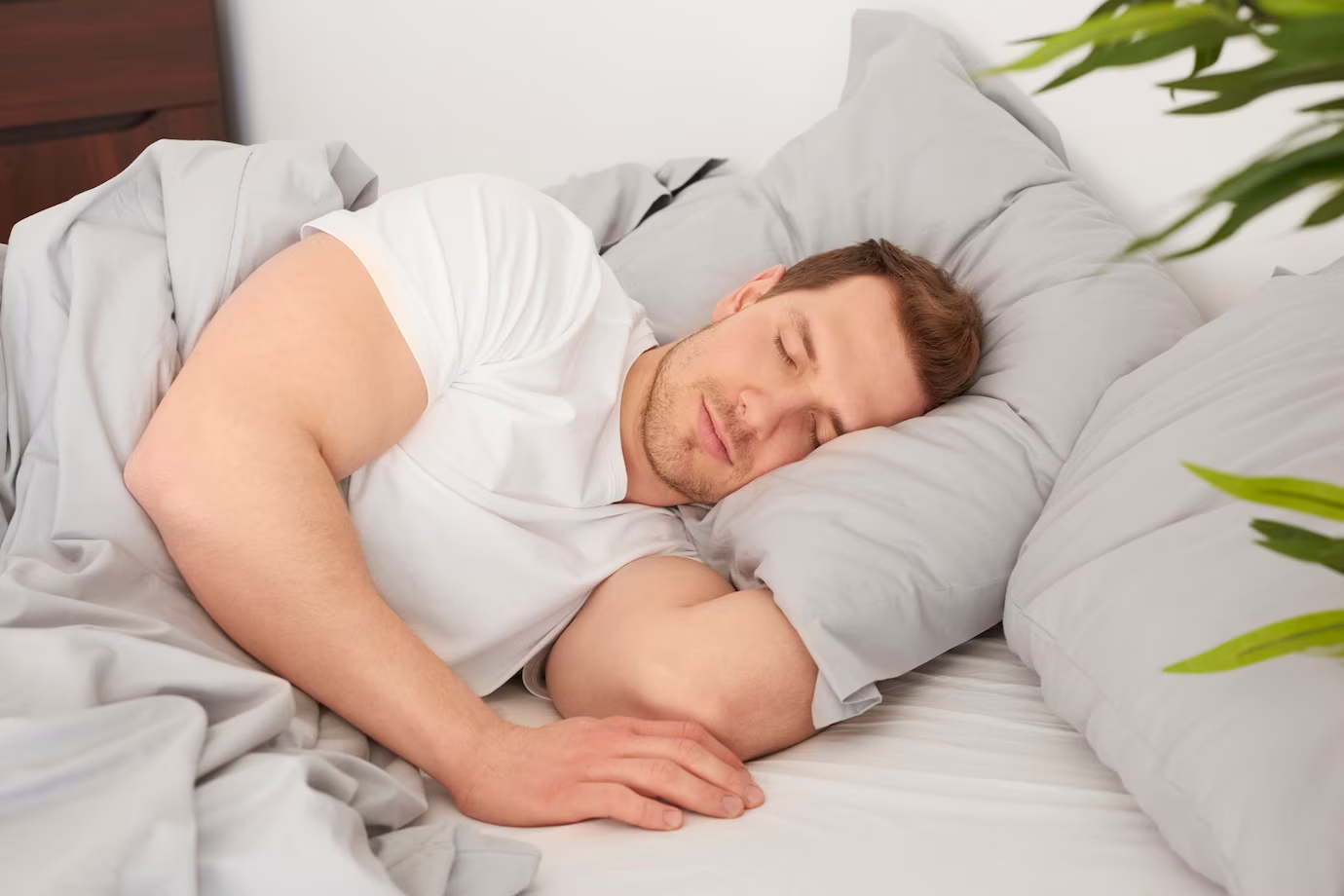
While exercises are highly effective, combining them with healthy lifestyle practices amplifies their benefits. Maintaining a healthy weight, avoiding alcohol before bedtime, and sleeping on your side rather than your back can further reduce sleep apnea symptoms. Good sleep hygiene, including a regular sleep schedule and a calm bedtime environment, complements the effects of breathing and muscle exercises.
Furthermore, tracking progress is helpful. Many people notice a reduction in snoring, fewer nighttime awakenings, and improved daytime energy levels after several weeks of consistent practice. Using a sleep diary or monitoring device can help measure improvements and stay motivated.
Conclusion
Managing sleep apnea doesn’t always require invasive treatments. Exercises that target breathing patterns and strengthen oral and throat muscles offer a natural, non-invasive solution to reduce symptoms. Diaphragmatic and nasal breathing techniques enhance airflow and lung efficiency, while myofunctional therapy strengthens the airway muscles to prevent collapse. Combining these exercises, following a healthy lifestyle, and maintaining consistency can lead to significant improvements in sleep quality and overall well-being.
For those seeking practical guidance, resources like SleepCareOnline provide comprehensive instructions for performing these exercises safely and effectively. By incorporating these strategies into daily routines, individuals with sleep apnea can regain restful nights, improved energy, and a healthier life.