



It is a common experience to test a recipe for something that looks as lovely as it sounds, but the texture ends up deflating. Or having difficulty thickening a sauce without changing its flavor? These problems seem to come from the lack of a correct ingredient that gives you consistency and is also versatile.
Home cooks, chefs, and food experimenters encounter similar issues when trying to tinker with textures – particularly the modern culinary effects like gelled spheres or wispy light foams. Concurrently, food manufacturers and developers have their own difficulties: stabilizing challenged emulsions, providing a good mouthfeel and taste, while facilitating new sensory experiences without sacrificing either safety or quality.
This is where a secret weapon of an ingredient comes in. Sodium Alginate powder provides solutions to these culinary and technical dilemmas.
In the following article, you’ll learn the main uses, advantages, and areas of application of Sodium Alginate in cooking, food manufacturing, and more.
1. Spherification and Culinary Creativity
 When wanting to explore food presentation and texture, Sodium Alginate powder is a must-have. Today, chefs use it mostly for spherification in modern cuisine that creates gelled spheres of liquids, resembling caviar. It works because the alginate reacts with calcium ions to produce a thin, flexible gel membrane ‘skin’ around droplets, creating visually striking and delicious-feeling bursts on the tongue.
The direct method of spherification works well with low-calcium liquids; an alginate solution is dripped into a bath of calcium to make fragile pearls. “On the other side of the coin, reverse spherification is intended for calcium-rich liquids or when a longer hold time is required, with each solution’s position reversed.
These techniques make it easy to be both experimental and precise in the kitchen, from an unforgettable cocktail garnish or mid-meal treat to a memorable dessert sphere. The transition from traditional sauces to modern dishes is made smooth as you master balancing ingredients and gelling.
2. Stabilizing and Thickening Element
In addition to its creative plating uses, Sodium Alginate powder is an excellent thickener and stabilizer in food. The absorbency and retention of water enable it to improve the viscosity in sauces, toppings, and dessert fillings without changing flavor or giving cloudiness.
It gels firmly in the presence of calcium ions, so it also helps hold texture together in foods where good mouthfeel is crucial – like custards, fillings, and emulsified products. The progression from runny to just-right texture can be achieved by varying the alginate concentration, giving you freedom over the final product.
This flexibility makes it an effective substitution for other thickeners, such as gelatin and starches, particularly when dietary restrictions or clear products are a concern. For sauces that require adherence or dressings that must remain non-separable, Sodium Alginate delivers nothing short of a phenomenal performance.
3. Foams and Edible Films
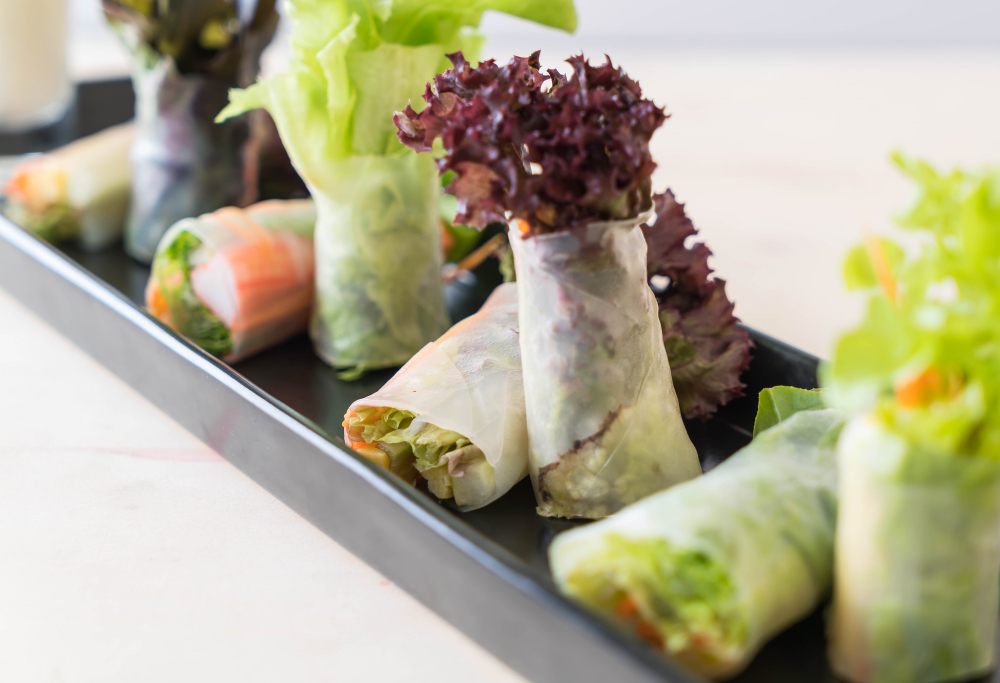
Can you imagine edible films as the next-generation garnish, or that foams would add to the mouthfeel before disappearing in seconds? Sodium Alginate powder is what makes these visions possible. Its gelling capabilities mean you can make thin, edible films that capture taste or create new layers in plated dishes.
You can also make stable foams that enhance the eating or drinking experience while holding their shape. This attribute is particularly useful in modern gastronomy and product development, which is beneficial to the food industry, because visual appearance could be as important as taste.
Whether used in cocktails, dessert garnishes, or light-but-sturdy foam embellishments, this ingredient adds stability without any off-tastes or clouding. When you start working with Sodium Alginate – one of the many molecular gastronomy ingredients – an interesting middle ground emerges between artistic expression and controlled, precise results.
4. Functional Advantages in Food Production
When it comes to manufacturing for the commercial food industry, consistency in texture and stability are key. These are the challenges that Sodium Alginate powder helps to address through even thickening and stabilizing to preserve the product, prolonging its shelf life, and enhancing consumer satisfaction.
Being derived from natural seaweed, it is also in line with the clean-label trend and has appeal to consumers demanding plant-based products while being gluten-free. This natural source is also the key to product transparency and potential reduction of ingredient lists.
In practice, Sodium Alginate ensures consistent texture batch after batch and in different environments, resulting in products that perform consistently from the production line to the plate. Its gelling effect can also facilitate processes such as encapsulation or controlled release in the design of food systems or nutraceutical products.
5. Biomedical and Medicinal Uses

While its culinary applications are widely known, Sodium Alginate powder also plays significant roles in pharmaceutical and biomedical contexts. Its biocompatibility and low toxicity make it suitable for medicine delivery systems, where it can be formulated into controlled-release mechanisms. When combined with calcium ions, alginate gels form structures that protect active drug compounds and control their release, improving therapeutic effectiveness and reducing side effects.
Additionally, Sodium Alginate’s ability to absorb fluid supports wound dressings that facilitate healing, making it valuable in tissue engineering and topical applications. As a material for biomedical scaffolding, it supports cell encapsulation and tissue support, further demonstrating its versatility beyond food science.
6. Environmental and Industrial Applications
While applications of Sodium Alginate powder for food and health applications are widely discussed, comprehensive functionalities seem to break out in both industrial and environmental areas. Its ability to interact with water and form flexible polymer networks helps create stable, well-structured textiles.
In textile printing, it is commonly used as a resistant thickener that holds pigments and mineral fillers in place. As a result, it prevents dyes from spreading or bleeding during printing, allowing patterns to stay sharp, clean, and clearly defined. When used in cosmetics, it increases the water-holding capacity of lotions, shampoos, and facemasks, helping to maintain or improve skin hydration and texture.
Additionally, its gelling performance optimizes formulations in personal care applications requiring texture and stability. Environmental applications – such as water treatment processes whereby gel formation can help grab contaminants – underscore the ingredient’s wide-ranging utility.
Bringing it All Together
Knowing how versatile Sodium Alginate powder is provides opportunities in the kitchen, the formulation of products and the technical industries. From enhancing recipes with spherification to providing stability for complex food systems, its distinctive gelling and thickening attributes provide both creative and precise solutions. Outside the kitchen, its biocompatibility is exploited in medical and pharmaceutical applications, and its binding of water enables industrial and cosmetic applications.
As food trends lean toward cleaner labels and enhanced sensory experiences, this natural ingredient stands out for performance and adaptability. Whether you are developing a new menu item, refining a food product, or exploring scientific formulations, knowing how to leverage Sodium Alginate enriches your toolbox with dependable and multifaceted functionality.