

The popularity of coffee shops continues to surge, making the demand for Disposable Coffee Cups more prominent than ever. As businesses prioritise sustainability, the focus has shifted towards eco-friendly options. Understanding the impact of disposable coffee cups and making informed choices is essential for responsible businesses.
Understanding Disposable Coffee Cups
Disposable coffee cups are a staple in most coffee establishments, designed to offer convenience for on-the-go consumers. These cups are typically made with paper or plastic materials, designed for single use. However, the environmental cost associated with these products has led to a call for more sustainable alternatives.
The Environmental Impact
Traditional disposable coffee cups often contain a plastic lining, making recycling challenging. This plastic barrier prevents leaks but also hinders the decomposition process. As a result, millions of cups end up in landfills every year, contributing to environmental degradation.
Sustainable Alternatives
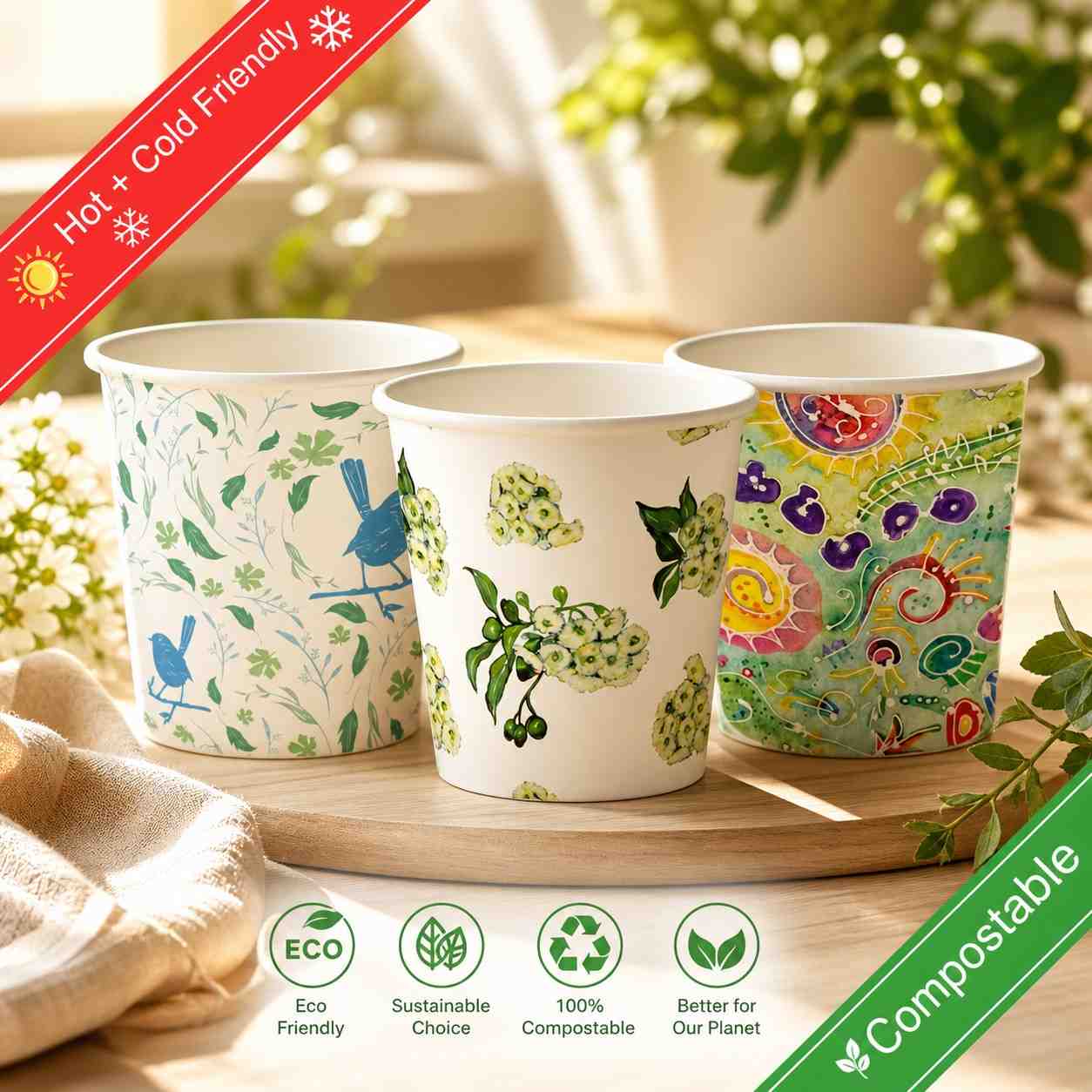
Recognising the environmental challenges, many manufacturers are now producing biodegradable and compostable coffee cups. These alternatives are designed to break down more efficiently, reducing the ecological footprint. By selecting products made from renewable resources, businesses can support sustainable practices.
Materials Used in Eco-Friendly Cups
Eco-friendly disposable coffee cups are typically made from plant-based materials such as polylactic acid (PLA) or paper sourced from managed forests. PLA is a bioplastic derived from corn starch, which offers similar properties to traditional plastics but decomposes more rapidly in industrial composting facilities.
Benefits of Biodegradable Cups
Biodegradable cups offer multiple advantages besides their reduced environmental impact. They can improve a business’s green credentials, attracting environmentally-conscious consumers. Additionally, the use of renewable resources lessens the reliance on fossil fuels and helps curtail greenhouse gas emissions.
Choosing the Right Eco-Friendly Cups for Your Business
When selecting eco-friendly cups, businesses must consider several factors: cost, durability, and the environmental credentials of the product. It is crucial to ensure that the chosen cups are compostable in local facilities or recyclable to enhance the sustainable strategy of the business.
Cost Considerations
While biodegradable cups can be more expensive than conventional options, the long-term benefits and the growing consumer demand for sustainable products often justify the additional expense. Many companies find that their investment in eco-friendly options strengthens brand loyalty and results in increased patronage.
Certification and Standards
Certification is essential when selecting eco-friendly products. Certifications such as the Forest Stewardship Council (FSC) logo ensure that the paper used originates from responsibly managed forests. Additionally, certifications for compostability and biodegradability are important markers of genuine sustainability.
Implementing Change in Your Business
Implementing sustainable practices requires careful planning. Start by sourcing products from reputable suppliers committed to sustainability. Employee training and consumer education are pivotal in the successful adoption of eco-friendly solutions.
The Future of Disposable Coffee Cups
The future points towards increased innovation in the materials and design of disposable coffee cups. Developments in technology are leading to even more sustainable options that address both environmental concerns and consumer convenience.
Conclusion
Embracing eco-friendly disposable coffee cups is no longer an optional practice but a strategic imperative for businesses looking to align with sustainability goals. By making informed choices, businesses can significantly reduce their environmental impact, attract forward-thinking customers, and contribute positively to the planet.