


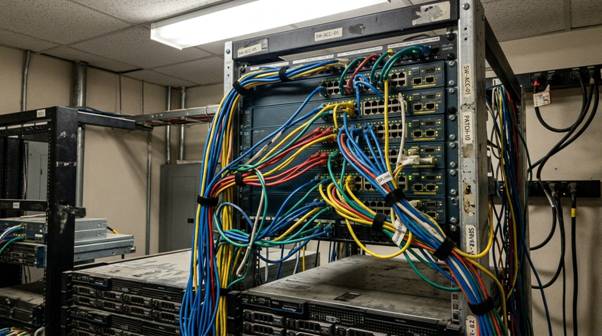
Modern businesses depend on digital infrastructure for almost every part of their operations. Customer platforms, cloud applications, internal systems, databases, communication tools, and business applications all require a reliable environment to operate properly. As companies grow across locations and markets, managing this infrastructure becomes increasingly complex.
That is why many global businesses are paying closer attention to their data center strategy. Instead of viewing a data center as simply a physical place for servers, organizations are looking for flexible infrastructure that can support cloud adoption, connectivity, security, business continuity, and changing workloads. The right approach can help businesses maintain reliable operations while giving their IT teams more flexibility as the organization grows.
What Makes Modern Data Center Services Different?
Traditional data centers were often built around physical servers and fixed infrastructure. Businesses would purchase hardware, place it in a facility, and manage most of their technology environment around those physical resources.
Modern environments are much more dynamic. Businesses may use private infrastructure alongside public cloud platforms, colocation facilities, SaaS applications, and remote systems. This means businesses increasingly need Data Center Services that can support different technologies and changing operational requirements.
A modern data center strategy typically focuses on:
- Reliability: Critical systems need dependable infrastructure and connectivity.
- Scalability: Resources should be able to grow as workloads increase.
- Security: Physical and digital infrastructure must be properly protected.
- Connectivity: Data centers need strong connections to offices, cloud platforms, and users.
- Redundancy: Businesses should have safeguards against equipment or connectivity failures.
- Operational visibility: IT teams need to understand how infrastructure is performing.
The goal is not simply to add more infrastructure. It is to create an environment that supports the way the business actually operates.
Why Global Businesses Need Reliable Data Center Infrastructure
A company operating in multiple countries faces infrastructure challenges that a smaller local business may not experience. Employees may access systems from different regions, customers may connect from multiple markets, and applications may need to exchange data across several locations. Network latency, connectivity, availability, and regional infrastructure can all affect performance.
Consider a company with offices in London, Singapore, Toronto, and Dubai. Its employees may rely on the same business applications regardless of where they are located. If the underlying infrastructure is poorly planned, users in one region may experience slower applications or unreliable access.
A well-designed data center environment can provide a more consistent foundation for these operations. It can also make it easier for businesses to connect physical infrastructure with cloud services, branch offices, remote employees, and other critical systems.
Cloud Computing Has Changed Data Center Requirements
Cloud adoption has changed how companies think about infrastructure. Businesses no longer have to keep every application and database inside their own physical facilities. Instead, they can distribute workloads across private infrastructure, public cloud platforms, colocation environments, and other hosted services.
However, moving to the cloud does not eliminate the need for strong data center infrastructure. In many cases, it makes connectivity and infrastructure planning even more important. Businesses need to consider:
- Where applications are hosted.
- Where users are located.
- Where business data is stored.
- How systems communicate with cloud platforms.
- How much traffic different applications generate.
- What happens if a primary connection or facility becomes unavailable.
A data center strategy that accounts for these factors can help businesses create a more dependable technology environment.
Connectivity Is a Critical Part of Data Center Strategy
A data center can have excellent physical infrastructure, but poor connectivity can still create problems. Applications need to communicate with employees, customers, branch offices, cloud platforms, partners, and other systems. If those connections are slow or unreliable, the performance of the entire business environment can suffer.
For global organizations, connectivity may involve multiple carriers, network routes, internet connections, private connections, and cloud connectivity options. This is why data center planning should not happen separately from network planning. Businesses should consider how infrastructure connects to the rest of their technology environment and whether those connections have adequate redundancy.
Resilience Matters More Than Raw Capacity
When businesses evaluate infrastructure, capacity often receives most of the attention. However, having enough processing power or storage does not help if critical systems become unavailable. Resilience should therefore be a major part of data center planning.
Businesses can improve resilience through measures such as:
- Redundant power systems
- Backup connectivity
- Multiple network paths
- Backup hardware
- Disaster recovery environments
- Continuous infrastructure monitoring
- Appropriate data backup strategies
The right approach depends on how critical each application is and how much downtime the organization can tolerate. For businesses that depend heavily on digital systems, even a short interruption can affect employees, customers, transactions, and revenue.
Security Goes Beyond the Physical Facility
Data center security involves much more than protecting the building. Businesses also need to consider network security, access controls, data protection, monitoring, backup systems, and security policies across connected environments.
This becomes especially important when infrastructure is distributed between data centers, cloud platforms, branch offices, and remote users. A strong strategy should therefore consider both physical and digital security. Access should be limited to authorized personnel, critical systems should be monitored, and sensitive information should receive appropriate protection throughout its lifecycle.
Scalability Helps Businesses Prepare for Growth
Infrastructure requirements can change quickly. A business may launch a new application, enter another market, acquire another company, or experience a sudden increase in users. If its infrastructure cannot scale with those changes, growth can create unnecessary technical problems. Modern data center environments can give businesses greater flexibility by allowing infrastructure and connectivity to expand as requirements change.
Instead of designing everything around today’s workload, organizations should consider where their infrastructure needs may be in the next few years. This does not mean investing in unnecessary capacity. It means creating a foundation that can accommodate reasonable growth without requiring a complete redesign.
Choosing the Right Data Center Partner
Businesses should look beyond basic facility specifications when evaluating a data center provider. Important considerations include reliability, connectivity options, security, redundancy, scalability, technical support, geographic coverage, and compatibility with existing infrastructure.
It is also important to understand how a provider fits into the company’s broader technology strategy. For example, a business may need to connect a data center with cloud platforms, branch offices, remote employees, and private network infrastructure. A provider that can support these requirements may offer more long-term value than one that only provides physical space.
How Cypresstel Supports the Bigger Infrastructure Picture
Businesses evaluating their infrastructure should consider how data centers fit into their wider connectivity and technology environment. Cypresstel provides services across areas related to telecommunications, networking, connectivity, and infrastructure.
For organizations managing distributed operations, this broader perspective can be valuable. Data center infrastructure does not operate independently. It needs to work alongside networks, cloud platforms, communication systems, and other business technologies.
The better question is therefore not simply where servers will be hosted. Businesses should ask how their entire infrastructure will connect, scale, and remain available as their requirements change.
Building a Smarter Data Center Strategy
There is no single infrastructure model that works for every organization. Some businesses may benefit from colocation, while others may require private infrastructure, cloud environments, or a combination of different approaches. The right decision depends on application requirements, budget, security needs, geographic reach, and expected growth.
Before making infrastructure decisions, businesses should evaluate:
- Which applications are business critical?
- Where are users and customers located?
- How much downtime can the business tolerate?
- Which systems need low-latency connectivity?
- How quickly might infrastructure requirements grow?
- What level of security is required?
- How will the environment connect to cloud platforms and offices?
Answering these questions can help businesses avoid choosing infrastructure based solely on hardware specifications or short-term requirements. A smarter data center strategy should support the business today while leaving enough flexibility for tomorrow.
Frequently Asked Questions
What are data center services?
Data center services include the infrastructure and support businesses need to host, connect, protect, and manage their technology environments. Depending on the provider, services may include colocation, connectivity, infrastructure management, security, backup, disaster recovery, and related networking solutions.
Why are data centers important for global businesses?
Global businesses often manage applications, data, employees, and customers across multiple regions. Reliable data center infrastructure provides a foundation for hosting and connecting these systems while supporting availability, security, scalability, and performance.
How do data centers support cloud computing?
Data centers can provide connectivity and infrastructure that link businesses with public and private cloud environments. They can also support hybrid architectures where some applications remain on dedicated infrastructure while others operate through cloud platforms.
What should businesses look for in data center services?
Businesses should consider reliability, connectivity, security, redundancy, scalability, support, location, and compatibility with their existing technology environment. The best option depends on the organization’s applications, users, regulatory requirements, and growth plans.
Why is redundancy important in a data center?
Redundancy helps reduce the impact of equipment, power, network, or infrastructure failures. Backup systems and alternative connections can help keep critical applications available when a primary component experiences a problem.
Can data center infrastructure scale with business growth?
Yes. Modern data center environments can be designed to accommodate increasing workloads, additional applications, and expanding connectivity requirements. Businesses should consider future growth when selecting infrastructure rather than planning only around current needs.
Is data center security only about physical protection?
No. Physical security is important, but businesses must also consider network security, access management, monitoring, data protection, backups, and security policies. Modern infrastructure requires a combination of physical and digital safeguards.